 11
11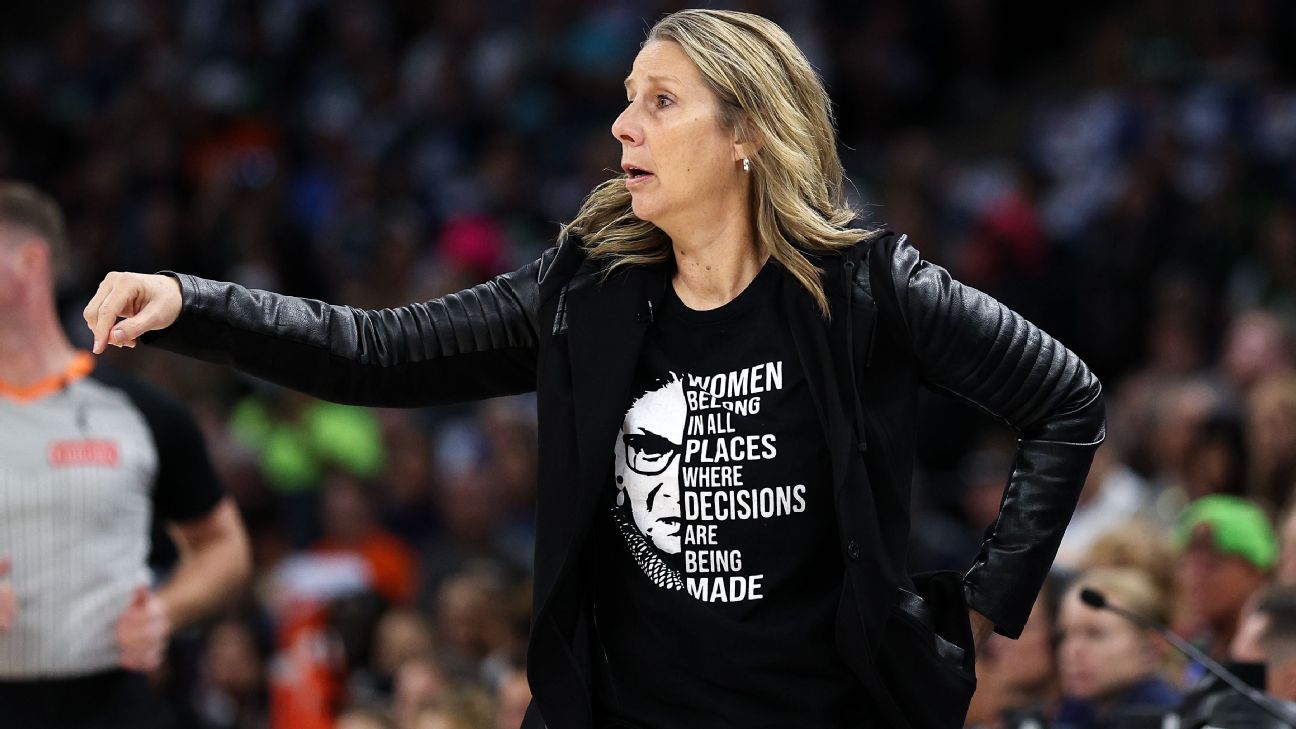
A big conversation is happening in women’s basketball right now. It started when Sophie Cunningham, a player for the Indiana Fever, shared her thoughts about transgender athletes in women’s sports. Then Cheryl Reeve, the coach of the Minnesota Lynx, responded with a different viewpoint. This has led to rallies, media attention, and discussions about fairness, inclusion, and what the rules should be.
"I come from a space of inclusion. The narrative that transgender athletes are the biggest problem in women’s sports is problematic."
Reeve made these comments on Saturday, right before the Lynx played the Fever in Minneapolis. Here are the key points she made:
In a July 21 ESPN story, Cunningham said:
"I want to protect young girls in a locker room or young girls in sport who shouldn’t have to go against biological men."
She also said:
Important Note: Cunningham’s comments have sparked strong reactions — both support and criticism.
| Location | What Happened |
|---|---|
| Seattle | Rally held during Fever vs. Storm game. Stefanie Dolson (Storm player) wore a shirt: "Trans rights are human rights." |
| Portland | Another rally at Fever road game. |
| Minneapolis | Third rally planned for Sunday outside Target Center (where Lynx play). Organized by Jennifer Sey. |
Jennifer Sey said: "The rally in Seattle was really quite positive… I wanted to support Sophie too."
This is where it gets a little complicated — but here’s the simple version:
"Only players who are women are eligible to play in the WNBA."
Key Fact: No publicly known transgender woman has ever played in the WNBA.
Two nonbinary athletes (AD Durr and Layshia Clarendon) have played — but both were assigned female at birth.
| Perspective | Main Argument |
|---|---|
| Inclusion Advocates (like Reeve) | Sports are a human right. Trans kids deserve to play. Bans are discriminatory. |
| Fairness Advocates (like Cunningham) | Biological differences (like muscle mass, bone density) create unfair advantages. Protecting cisgender girls is the priority. |
| Policy Makers (NCAA, Olympics, States) | Have chosen to restrict participation based on sex assigned at birth. |
| Fans & Organizers (like Sey) | Want to support athletes who speak out on this issue. See it as protecting women’s sports. |
No. There is no publicly known case of a transgender woman playing in the WNBA. Two nonbinary players (AD Durr and Layshia Clarendon) have played, but both were assigned female at birth.
The 2026 agreement says only "players who are women" can play — but does not define "woman" or mention transgender athletes. The league has not clarified the policy.
Supporters believe she is standing up for fairness in women’s sports and want to show public support for her views.
She means the issue is complex — especially for elite athletes after puberty — and that simple bans aren’t the answer. She wants thoughtful, inclusive solutions.
Yes. Coach Reeve said: "I don’t think these demonstrators are not being peaceful… Everyone has a right to peacefully assemble."
Final Thought: This is a conversation about fairness, inclusion, and human rights — and it’s happening right now in one of the most visible women’s sports leagues in the world. Whether you’re a fan, a player, or just learning about it, understanding both sides helps build a more thoughtful future for sports.


