11
11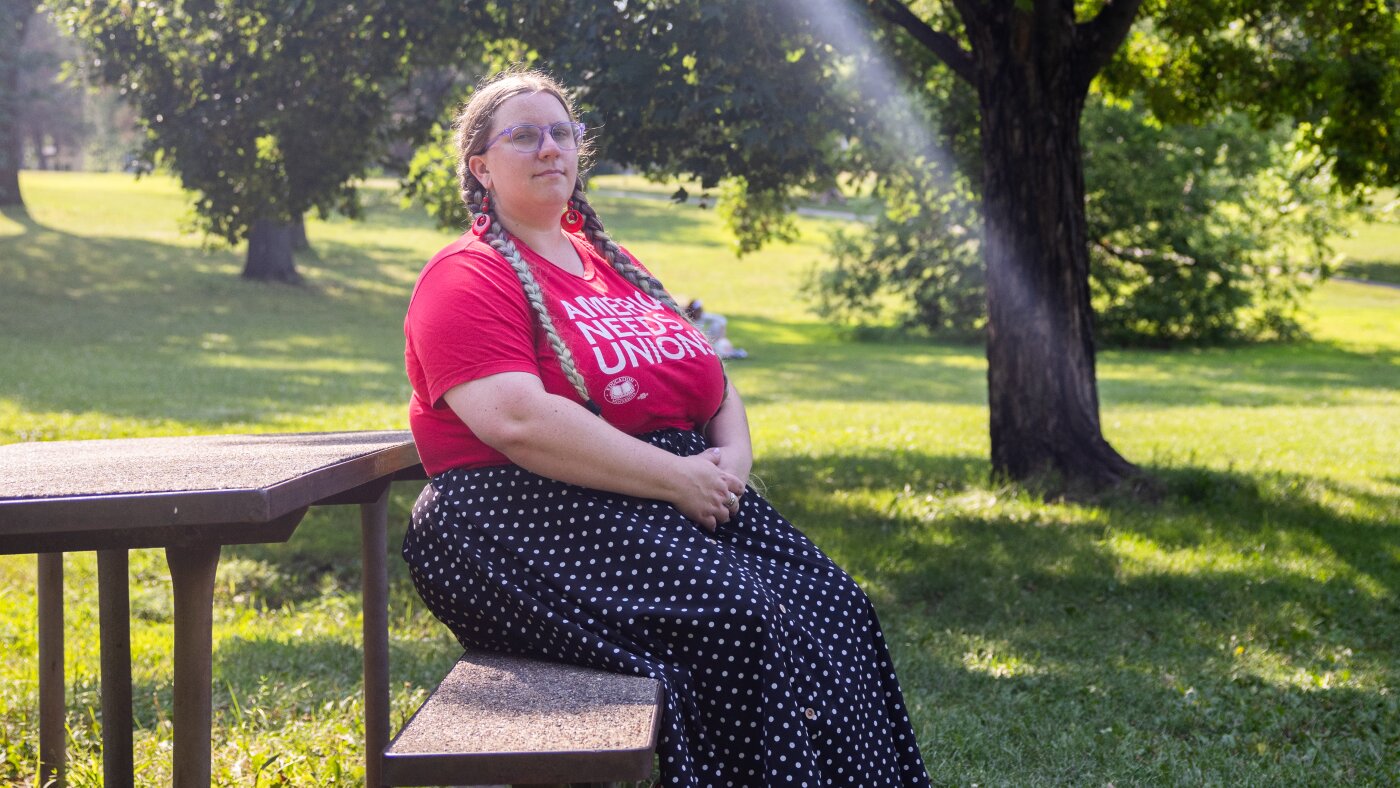
Imagine this: You’re sitting at home in your pajamas, drinking coffee, when there’s a knock at your door. You open it to find a woman in office clothes wearing a Homeland Security vest, with six more agents standing in your yard. She tells you: "We have a warrant for your arrest. The charge? Conspiracy."
This isn’t a movie scene. This is exactly what happened to Treasure Thoreson, a special education teacher in Minneapolis, one morning in June. She’s one of 15 people charged by the federal government for protesting against ICE (Immigration and Customs Enforcement).
Important Point: The Law Being Used
The government is using a Civil War-era law (18 U.S.C. § 372) that makes it a crime to "conspire to impede or injure an officer."
- Maximum penalty: Up to 6 years in federal prison
- Historically used: Very rarely
- Since 2025: Charged against 3+ dozen people in at least 10 cases — all involving protests against federal immigration enforcement
| Typical Civil Disobedience Charges | Conspiracy Charges |
|---|---|
| Trespassing | Federal felony |
| Disorderly conduct | Up to 6 years in prison |
| Failing to disperse | Requires proving an agreement to commit a crime |
| Usually local/misdemeanor | Federal prosecution |
Important Point: What "Conspiracy" Actually Means Legally
For a conspiracy charge, prosecutors must prove TWO things:
- An agreement between people to commit a crime
- That crime would prevent officers from doing their duties through force, intimidation, or threat
Legal expert Aaron Terr explains: "If someone shows up to a protest and spontaneously decides to join a line blocking a detainee transport, I don’t think that’s enough to show a criminal conspiracy."
Jac Archer (policy director, longtime organizer): "At the end of the day, I fundamentally couldn’t stomach admitting to doing something I know I didn’t do."
Bajun Mavalwalla II (combat veteran): "Being charged with a federal felony… because I showed up to a protest, seems to me to be an attack on a fundamental right that all Americans hold."
Key detail: Archer and Mavalwalla were not accused of slashing tires or damaging property — things the government alleged happened that day. Archer’s social media post calling people to join the protest was used as evidence.
Joselyn Walsh: "I think what I’ve learned through this experience is just how much power the federal government really has over our lives and our liberty."
Aaron Terr (Foundation for Individual Rights and Expression): "The concern is that the government may be casting too wide a net. It may be lumping in innocent people or people who committed minor misdemeanors, based on their political beliefs."
Justice Department statement: "People should not mistake violence against law enforcement or impeding officers performing their duties with peaceful protest."
Katie Schwartzmann (Protect Democracy): "It’s important to see these indictments and the use of this law for what it is, which is an attempt to scare Americans. But also, Americans should not be afraid to organize peaceful resistance in this moment."
No. Peaceful protest is protected by the First Amendment. What’s at issue is whether specific actions — like blocking vehicles or refusing to disperse after warnings — cross into territory prosecutors call "conspiracy to impede officers."
Civil disobedience = intentionally breaking a minor law (like trespassing) to make a point, usually resulting in a ticket or misdemeanor.
Conspiracy = a federal felony requiring proof that you agreed with others to use force, intimidation, or threats to stop officers from doing their jobs.
Legally, no. Legal experts say merely showing up — even if you spontaneously join a blockade — isn’t enough for conspiracy. Prosecutors must prove a prior agreement to commit a crime. But in practice, things like social media posts organizing the protest are being used as evidence of that agreement.
The statute (18 U.S.C. § 372) was written in 1861 to combat Confederate sympathizers interfering with Union officers. It sat largely unused for modern protests until recently. Since 2025, the DOJ has applied it to immigration protesters — a significant shift from its prior use against Jan. 6 defendants.
This article is based on NPR reporting by multiple journalists. Original reporting contributed by Katie Daugert and Jane Gilvin.