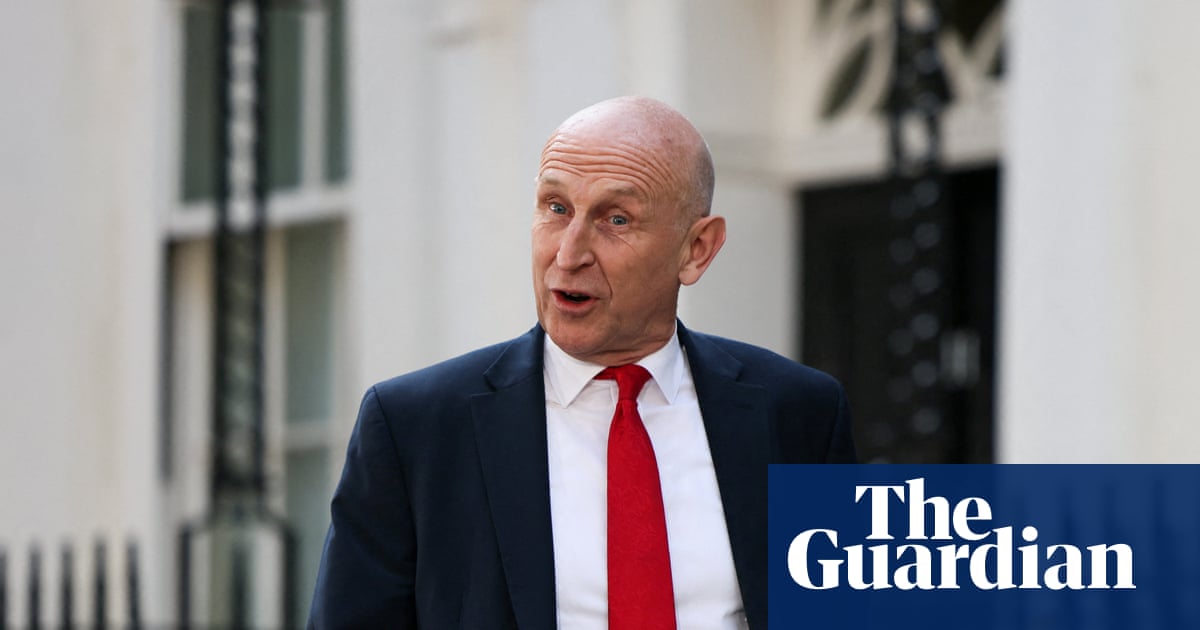
Healey Warns Retailers: Stop Profiteering on Food & Fuel or Face Showdown
UK Chancellor Warns Retailers: "Don’t Hike Prices" as Iran Conflict Threatens Family Budgets
What’s Happening in Simple Terms
Imagine you’re at the grocery store and suddenly everything costs more. That’s what UK Chancellor John Healey is worried about. Because of a long-running conflict in the Middle East involving Iran, the price of oil and gas has jumped up. This makes it more expensive to transport goods, heat homes, and run businesses. Healey is telling big supermarkets and shops: "We’re watching you. Don’t use this crisis as an excuse to charge people more just to make extra profit."
Why This Matters to You
Important Point: This isn’t just about numbers on a spreadsheet. It’s about how much money stays in your pocket after paying for food, fuel, and energy bills.
The Chain Reaction Explained Simply
- War in Middle East → Oil supply gets disrupted
- Less oil available → Price of oil and gas goes up worldwide
- Higher fuel costs → It costs more to transport food, make products, heat homes
- Businesses face higher costs → They could pass those costs to you (higher prices)
- Government steps in → "Don’t raise prices more than you have to!"
The Economic Warning Lights Are Flashing
What the Experts Say (EY Economic Outlook)
| Scenario | What Happens | UK Economy Result |
|---|---|---|
| Strait of Hormuz stays closed until 2027 | A fifth of world’s oil/gas can’t get through | Recession likely • 2026: Growth slows to 0.5% • 2027: Economy shrinks by 0.2% |
| Strait reopens by late 2026 | Oil flows normally again | Economy holds steady • 2026: 0.9% growth • 2027: 1.2% growth |
Key Fact: The Strait of Hormuz is a narrow waterway between Iran and Oman. Think of it as a super-highway for oil tankers. When it’s blocked, the world feels it fast.
The Bank of England’s Tough Choice
Last week, the Bank of England kept interest rates where they are (didn’t cut them). Why? Because they’re worried:
- If the Iran war gets worse → Inflation could jump above 4% next year
- Higher inflation = Your money buys less
- They don’t want to cut rates too soon and make inflation worse
Healey’s Message to Retailers: "We’re Watching"
In a weekend newspaper column, Chancellor Healey said:
"The conflict affects our national security… But it also threatens our economic security: impacting the family finances of millions of British people."
He made three key points:
- No proof yet of "price gouging" (charging unfairly high prices)
- But ministers are monitoring closely
- Warning to big retailers: Don’t profiteer from the crisis
Retailers Fight Back: "It’s Not Our Fault!"
The British Retail Consortium (represents Tesco, Sainsbury’s, Asda, M&S) pushed back:
Their Argument in Bullet Points
- Supermarkets are fiercely competitive → They have to keep prices low to win customers
- Independent watchdog (CMA) agrees → Competition, not government rules, keeps food affordable
- Real problem? Government tax hikes:
- Higher employers’ National Insurance (tax on hiring staff)
- Rising business rates (property tax for shops)
- Result: These taxes get passed to shoppers as higher prices
M&S Boss Stuart Machin called previous price cap ideas "completely preposterous."
A Quick History: This Isn’t the First Round
| Time | What Happened |
|---|---|
| Earlier 2026 | Then-Chancellor Rachel Reeves suggested voluntary price caps on essential foods |
| Supermarkets reacted | Angry pushback — said it would break competition, not help |
| Now | New Chancellor Healey tries a softer approach: "We’re watching" instead of "We’re capping" |
Summary: What You Need to Know
| Key Takeaway | What It Means for You |
|---|---|
| Iran war → higher oil prices | Expect pressure on petrol, heating, food costs |
| Government warns retailers | Some protection against unfair price hikes |
| Retailers blame taxes | Real relief needs tax policy changes, not just warnings |
| Economy at risk | Recession possible if conflict drags on |
| Bank of England cautious | Interest rates staying high = expensive mortgages/loans |
FAQ: Your Questions Answered
What is "price gouging" anyway?
Price gouging is when sellers drastically raise prices during a crisis (like a war or natural disaster) to make extra profit — not because their costs went up, but because they can. Example: Selling a £1 bottle of water for £10 during a shortage.
Why does a war in the Middle East affect UK prices?
The Middle East produces a huge chunk of the world’s oil. The Strait of Hormuz is the main exit route. If it’s blocked, global supply drops → global prices rise → UK pays more for fuel, shipping, and energy.
Can the government actually stop shops raising prices?
They can:
- Investigate via the Competition and Markets Authority (CMA)
- Threaten windfall taxes on excess profits
- Introduce price caps (but this is controversial and rarely used)
- Pressure retailers publicly (what Healey is doing now)
Will my mortgage or rent go up because of this?
Possibly. If inflation stays high, the Bank of England keeps interest rates high. That means:
- Mortgage rates stay expensive
- Rents may rise as landlords’ costs increase
- Loans and credit cards cost more
What’s the best-case scenario?
The conflict calms down, the Strait of Hormuz reopens by late 2026, oil flows freely, inflation drops, the Bank of England cuts rates, and the UK economy grows steadily at ~1% per year.
Final Thought
Bottom line: The government is drawing a line in the sand for retailers. But the real solution to high prices? Ending the conflict, reopening the oil route, and fixing the tax burden on businesses. Until then — keep an eye on your receipts, and know that someone in Westminster is watching the shops too.