11
11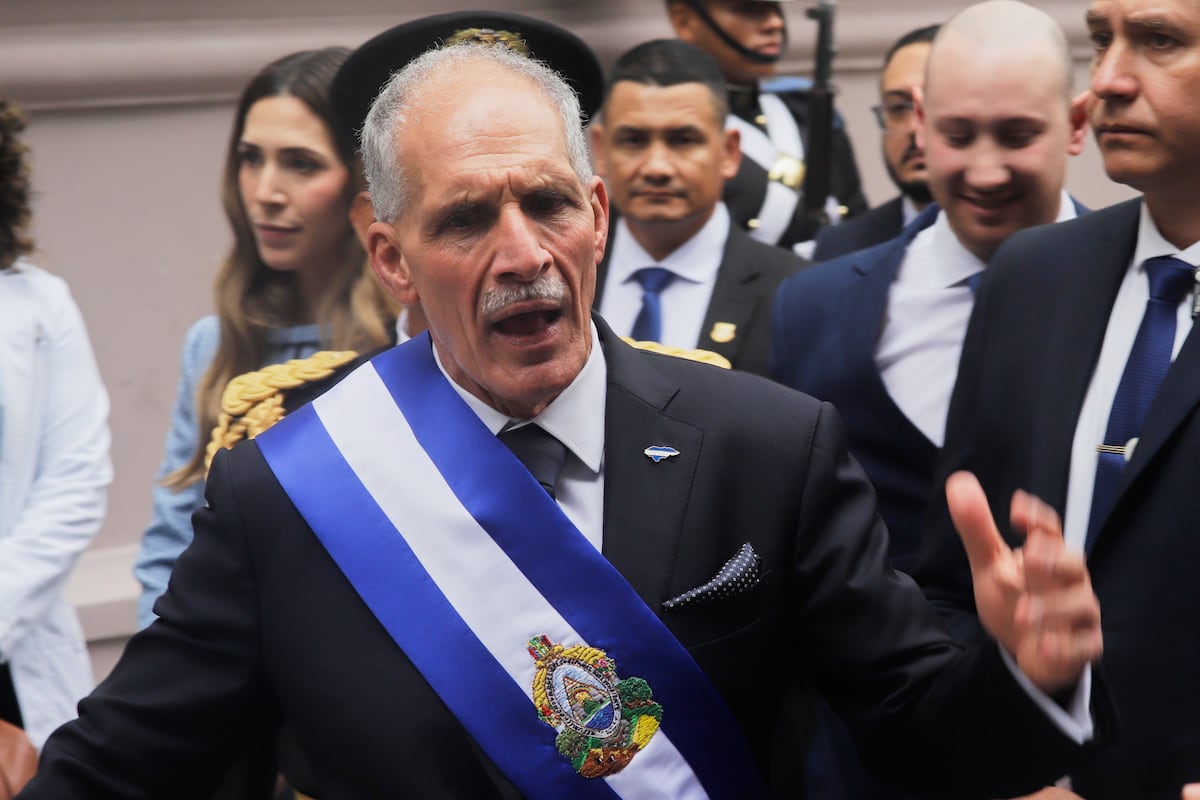
Imagine a new class president promising to make the school run better by firing half the teachers and closing the library. That’s basically what happened in Honduras when Nasry Asfura became president in January 2026. He promised to make the government smaller and more "efficient" for the country’s 11 million people. Six months later? Things haven’t gone as planned.
IMPORTANT POINT: Asfura took office after elections that many people said had problems. He also has strong backing from U.S. President Donald Trump.
In less than a month, his administration:
The Problem: Honduras’ public hospitals were in crisis—medicine shortages, 13,000–20,000 people waiting for surgery.
Asfura’s Solution: He appointed himself as Health Minister and declared a "state of emergency." He created a special trust fund worth 500 million lempiras (about $18.7 million) to fix things.
What Critics Said: This wasn’t a fix—it was a way to privatize healthcare by funneling money to private companies through special contracts.
| What Was Promised | What Actually Happened (4 Months Later) |
|---|---|
| Fix medicine shortages | Hospitals still report shortages |
| Clear surgical backlog | Only 227 surgeries performed |
| Restore hospital capacity | Operational problems continue |
| Efficient spending | 10 million lempiras ($372,000) spent on 154 surgeries = $2,400 per surgery |
IMPORTANT POINT: Political analyst Agresio Girón says: "Public healthcare has been at the core of corruption in Honduras… but so far, the public perception remains that the fundamental problems persist."
While healthcare stalled, other moves happened quickly:
Agro-Industrial Protection Law – Forces police and prosecutors to immediately remove people from land wanted by big farming companies
Electricity Privatization – Congress is considering changes to privatize electricity distribution
Before even taking office, Asfura flew to Jerusalem to meet Israeli Prime Minister Benjamin Netanyahu, calling Israel a "true friend." His main allies appear to be:
IMPORTANT POINT: Jesuit priest Israel Melo says: "One of Asfura’s biggest mistakes… his only interlocutors have been big business, Donald Trump, Javier Milei and Benjamin Netanyahu. He has remained disconnected from the population."
| Statistic | Details |
|---|---|
| Homicide Rate | 26.6 per 100,000 people |
| Regional Ranking | Most violent in Central America, 3rd in Latin America (after Haiti & Ecuador) |
| Homicides (Q1 2026) | 5.65% increase vs. same period last year |
| Massacres (2026 so far) | At least 18 |
| May Massacres (Caribbean) | 24 people killed, including 5 police officers |
| Extortion | Nearly 300,000 households pay "war tax" to criminals |
| Femicides (as of July 16) | 150 women killed = 1 every 31 hours |
| Femicide Solve Rate | 95% unsolved |
Juan Orlando Hernández (JOH) = Former president of Honduras (2014–2022)
Analysts say there’s a "deep state" in Honduras—real power behind the formal government:
IMPORTANT POINT: Sociopolitical analyst Eugenio Moreno: "There is a structure entrenched within government and in organized-crime networks that answers to Juan Orlando Hernández."
| Area | Grade | Why |
|---|---|---|
| Government Efficiency | Cut institutions but created chaos; no real improvement | |
| Healthcare | Emergency measures = privatization, not solutions; few surgeries done | |
| Corruption Fighting | Dismantled transparency office; international commission stalled | |
| Security | More killings, no plan, extortion rampant, femicides soaring | |
| Human Rights | Evicted protected communities; 95% of femicides unsolved | |
| Foreign Policy | Aligned with Trump/Israel; alienated China; Russia courtship | |
| Legitimacy | Election irregularities alleged; JOH’s return overshadows Asfura |
Bottom Line: Asfura promised security, efficiency, and zero tolerance for corruption. Six months later, Honduras has more violence, less transparency, and a former drug-trafficking president walking free while the current president struggles to govern in his shadow.
A: He said the health system was in crisis and needed direct presidential attention. Critics say it gave him unchecked power to award contracts to private companies without normal oversight.
A: It’s a special legal status that lets the government skip normal rules (like competitive bidding for contracts). Asfura used it to create a health trust fund quickly—but critics say it opened the door to corruption and privatization.
A: The Garífuna are an Afro-Indigenous community with legally protected land rights recognized by the Inter-American Court of Human Rights. Evicting them for agribusiness violates international law and shows the government prioritizes corporate interests over human rights.
A: JOH was convicted in a U.S. court, not a Honduran one. Trump pardoned him (released him from U.S. prison). A Honduran court then cancelled the local arrest warrant against him. He’s now a free man in Honduras with powerful allies.
A: Instead of free public hospitals, the government pays private clinics to treat patients. This often means: higher costs long-term, profit motives overriding patient care, and public hospitals getting worse because resources go to private companies.
FINAL THOUGHT: Running a country isn’t like running a business—you can’t just "cut costs" by firing people and closing agencies that protect the vulnerable. Asfura’s first six months show what happens when a government prioritizes efficiency slogans and powerful friends over actual results for everyday citizens.