 11
11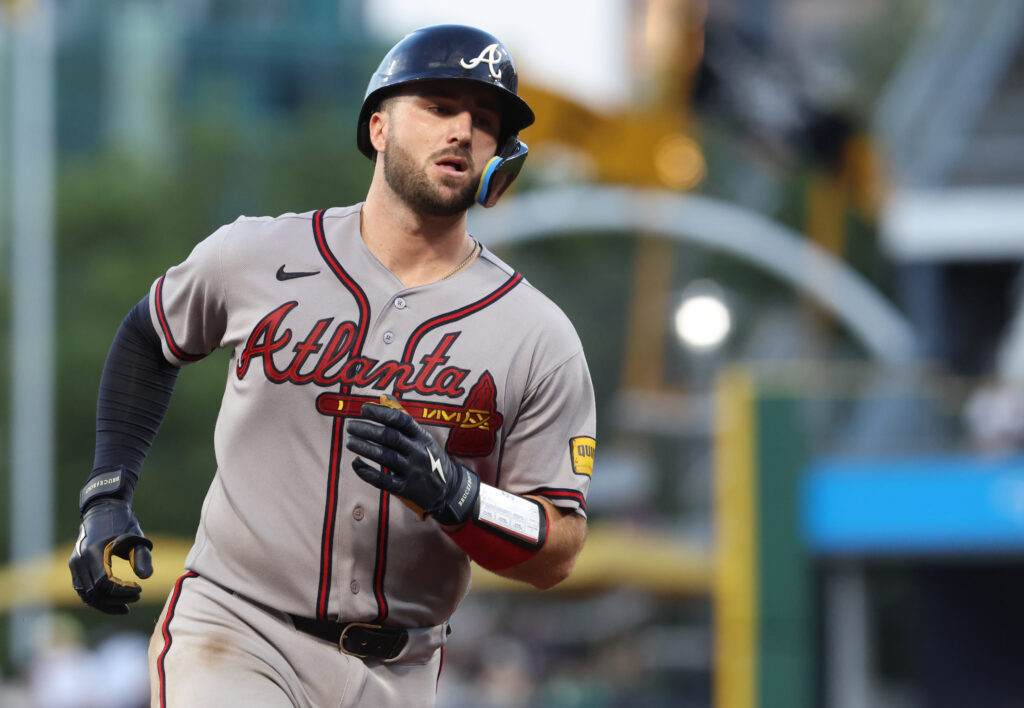
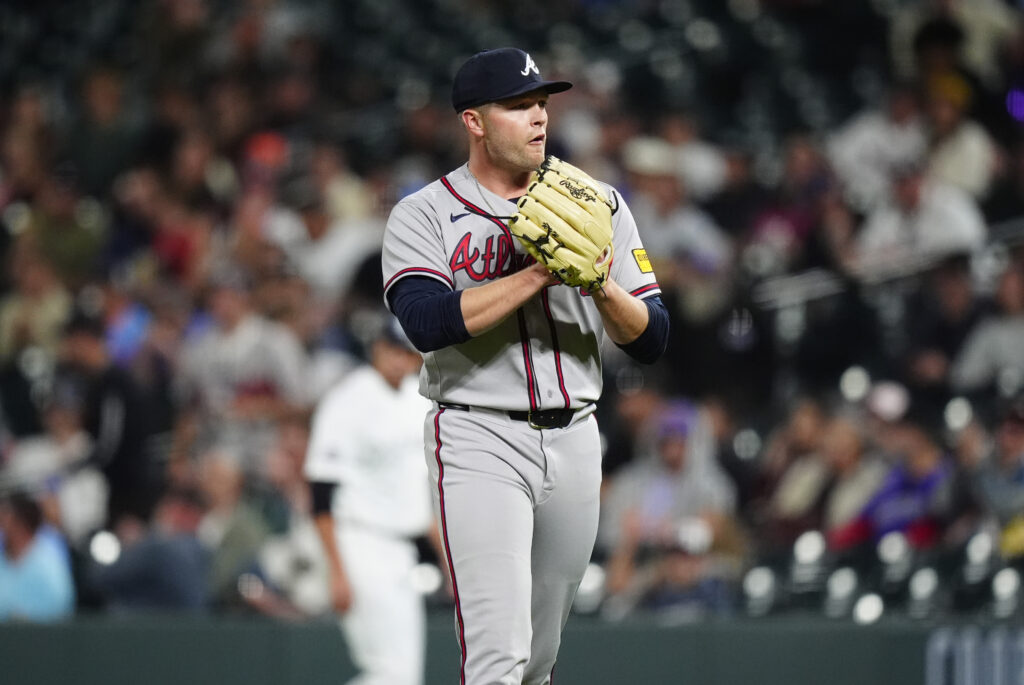
The Chicago White Sox just made a trade with the Atlanta Braves to get a new catcher. Here’s the simple breakdown:
Think of it like swapping baseball cards — but with real players who will put on different uniforms!
The Braves had a "too many catchers" problem. Here’s what happened:
Think of it like this: You have two favorite toys. You borrow a third toy while one is broken. When the first toy gets fixed, you don’t need the borrowed toy anymore — so you give it to a friend.
Baseball uses something called a "slash line" — three numbers separated by slashes. Here’s what Bart’s numbers mean:
| Stat | What It Means | Bart’s 2026 Season |
|---|---|---|
| .226 | Batting Average — how often he gets a hit | Gets a hit ~23% of the time |
| .303 | On-Base Percentage — how often he reaches base | Reaches base ~30% of the time |
| .377 | Slugging Percentage — how much power he has | Some pop, but not a huge power hitter |
| 4 HR | Home Runs | 4 in 119 plate appearances |
In plain English: Bart is an okay hitter — not great, not terrible. His 2026 numbers look a lot like his career averages over 7 seasons.
Chicago thought catching would be a strength this year. Instead, it’s been a disaster:
"Arbitration-controlled" explained: The team owns the player’s rights for a few more years and can negotiate salary each year instead of the player becoming a free agent. It’s like having a lease instead of renting month-to-month.
IMPORTANT POINTS TO REMEMBER
- This is a depth move, not a blockbuster — don’t expect Bart to be an All-Star
- Teel is still the future at catcher for Chicago
- Cost is minimal — both salary ($840K) and trade capital (Davitt was already DFA’d)
- White Sox are actually competing — this helps them stay in the race
- Braves get pitching help — their biggest need right now
The White Sox traded for Joey Bart because their catchers kept getting hurt or struggling at the plate. Bart isn’t a superstar, but he’s a reliable, affordable backup who can hold the fort until their top prospect Kyle Teel returns from injury. The Braves were happy to move him because their star catcher Sean Murphy is healthy again, and they got a pitching prospect in return. It’s a classic "win-win" baseball trade — each team solves a specific problem without giving up much.
He’s average. Not bad, not great. He hits around .226 with some power. For a backup catcher making very little money, that’s perfectly fine.
Because they had to. They had three catchers for two spots. Keeping Bart would mean sending a better player (Baldwin) to the minors or cutting someone else. Getting anything for Bart was better than losing him for nothing.
Designated for Assignment. It means the team removed the player from their 40-man roster. They have 7 days to trade him, release him, or send him to the minors (if he clears waivers). Davitt was DFA’d earlier that same day.
Probably. He’s under team control through 2027 and makes very little money. Unless Teel comes back and plays amazing and Quero suddenly starts hitting, Bart has a good shot to stick around.
Yes! Usually bad teams "sell" (trade away veterans). The fact that Chicago added a player shows they believe they can compete for the playoffs — a big surprise for 2026!