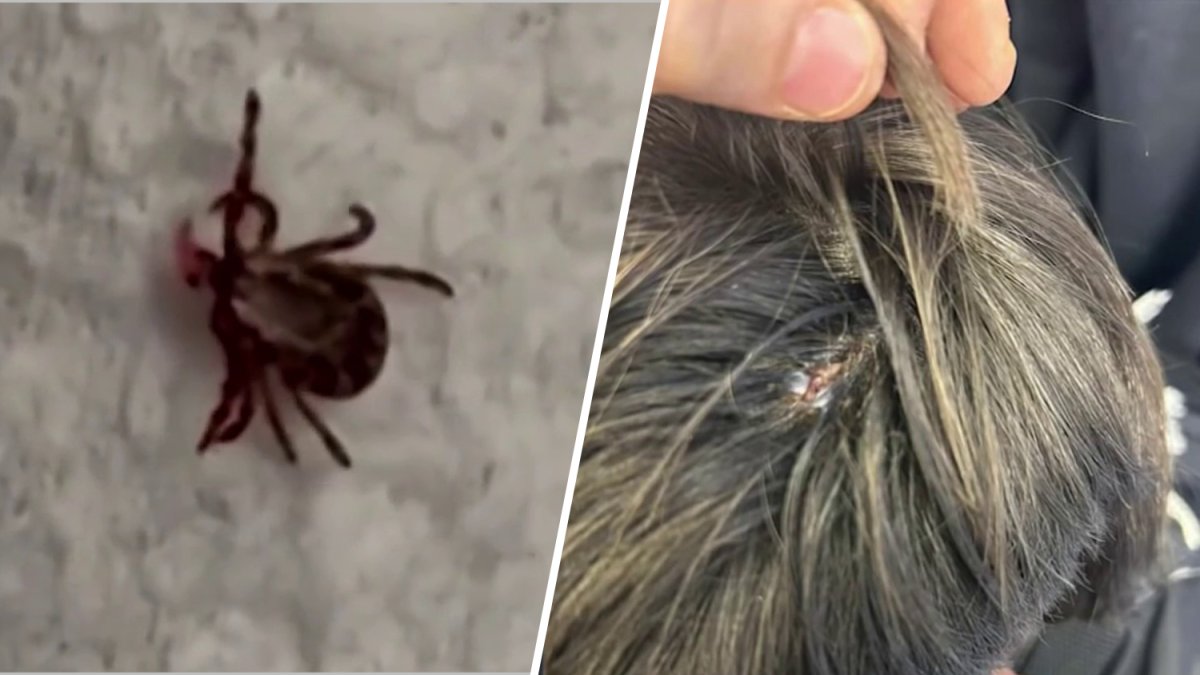
What Is Tularemia (Rabbit Fever) and Why Should You Know About It?
What Is Tularemia?
- Tularemia, also called rabbit fever, is a sickness caused by a tiny bacteria.
- It is rare, but it can make you feel very sick.
- The bacteria usually live in wild animals like rabbits, and they can hop onto ticks.
- When an infected tick bites a person, the bacteria can spread and cause the illness.
Important: Tularemia is treatable with antibiotics, but because it’s uncommon, many doctors haven’t seen it often. Knowing the signs helps you get care quickly.
How Do You Get It?
- Tick bites – A tick bites a sick rabbit, picks up the bacteria, and later bites a person.
- Handling infected animals – Touching a dead or dying rabbit (or other infected wildlife) can also spread the germs.
- Other insect bites – Rarely, other biting insects can carry the bacteria.
Note: You don’t have to touch a rabbit to get sick. In the recent cases, the child only played in his backyard and never went near a rabbit.
Symptoms to Watch For
- High fever that lasts many days
- Severe headache
- Muscle and joint pain (aches all over)
- Extreme tiredness (feeling miserable)
- Painful, open sore where the tick bit (often on the scalp or neck)
- Symptoms are much stronger than a typical cold or even Lyme disease and often send people to the emergency room.
Real‑Life Story: John’s Experience
- Who: John Detmer, 9 years old, from Suffolk County, Long Island.
- What happened: A tick bit him on the head. Within days he had a high fever, terrible neck pain, and his legs hurt so much he couldn’t walk comfortably.
- Diagnosis: In early 2026, an infectious‑disease doctor confirmed tularemia. The doctor said he’d only seen one other case in his whole career.
- Treatment: Several rounds of antibiotics over 11 days stopped the fever and the scalp pain.
- Now: John is feeling better and back to normal activities.
Mom’s takeaway: “You can’t avoid rabbits—they run away. The real protection is checking for ticks every day.”
Treatment and Recovery
- Antibiotics (medicine that kills bacteria) are the standard cure.
- Most people need multiple doses over a week or two.
- Early treatment leads to a full recovery, just like John’s.
Prevention Tips – Your Daily Tick‑Check Routine
- After outdoor play (especially in grassy or wooded areas), do a full‑body tick check.
- Look closely at hidden spots: scalp, behind ears, under arms, belly button, waist, between legs, and behind knees.
- Shower within two hours of coming inside – it helps wash off unattached ticks.
- Put clothes in the dryer on high heat for 10 minutes to kill any ticks.
- Use EPA‑approved insect repellent on skin and clothing when you’ll be outside.
- Keep your yard tidy – mow grass, remove leaf litter, and create a wood‑chip barrier between woods and play areas.
Important Points to Remember
Call your doctor right away if:
- You find a tick bite that turns into an open sore or wound.
- You develop a high fever, severe headache, or body aches after a tick bite.
- You’ve been in an area where tularemia cases have been reported (like Suffolk County).
Summary
- Tularemia (rabbit fever) is a rare but serious bacterial illness spread mainly by tick bites.
- Three recent cases in Suffolk County, Long Island, remind us to stay alert.
- Symptoms are intense: high fever, severe pain, and exhaustion – often requiring emergency care.
- Antibiotics work well if started early.
- The best defense is daily tick checks and quick action if a bite looks infected.
FAQ
1. Can I get tularemia from my pet dog or cat?
Pets can carry ticks that have the bacteria, but the disease itself isn’t passed directly from pet to person. Regular tick prevention on pets helps protect the whole family.
2. Is there a vaccine for tularemia?
No. There is currently no vaccine for people. Prevention focuses on avoiding tick bites and early treatment.
3. How common is tularemia in the United States?
It’s very rare—only a few hundred cases nationwide each year. The recent cluster in Suffolk County is unusual, which is why health officials are warning residents.
4. What should I do if I find a tick attached to my skin?
- Use fine‑tipped tweezers to grasp the tick as close to the skin as possible.
- Pull upward with steady, even pressure.
- Clean the bite area and your hands with rubbing alcohol or soap and water.
- Watch the spot for the next few weeks; if a sore or fever appears, call a doctor.
5. Are certain times of year riskier for tick bites?
Yes. Ticks are most active from spring through fall, especially in warm, humid weather. However, they can be active any time temperatures are above freezing.
 1
1