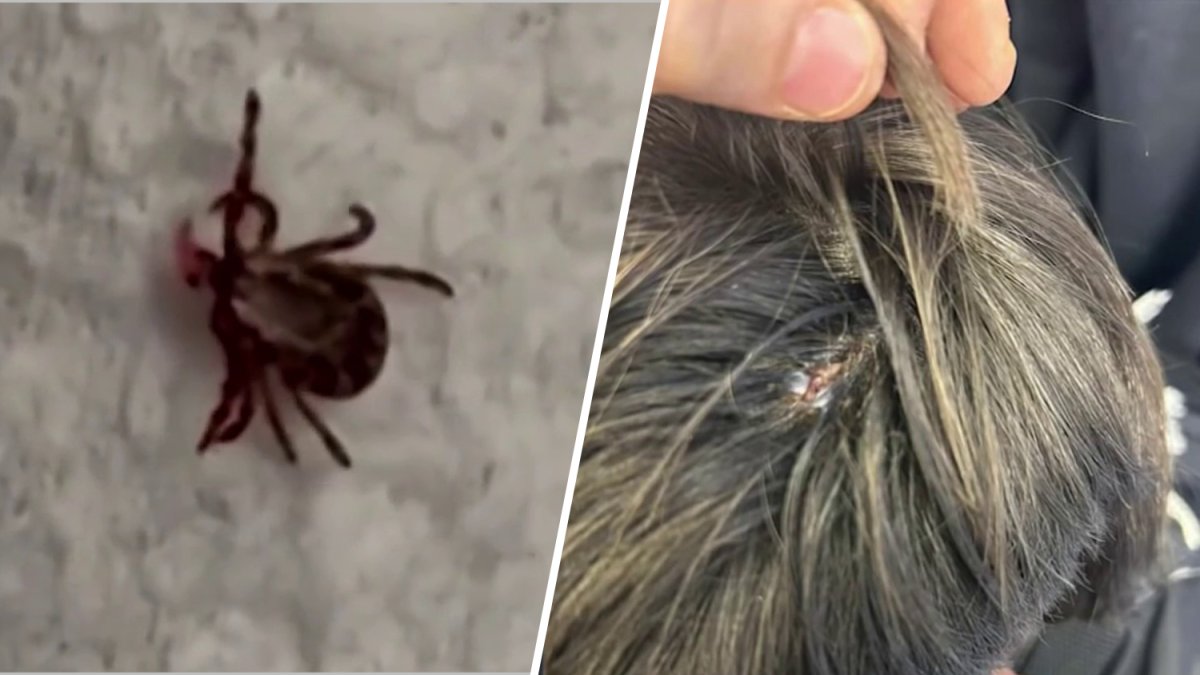
“Rabbit Fever” Hits Long Island: 3 Rare Tick Cases Confirmed
Rare Tick-Borne Illness "Rabbit Fever" Detected on Long Island: What You Need to Know
What Happened?
Health officials in Suffolk County, Long Island are warning residents after three people were confirmed to have tularemia — a rare but serious illness also known as "rabbit fever."
One of those cases was 9-year-old John Detmer, who got sick in early 2026 after a tick bit him on the head. His symptoms were so bad they lasted for weeks.
Important Callout:
Tularemia is rare, but it can be more severe than Lyme disease. Knowing the signs and doing daily tick checks can help keep you and your family safe.
What Is Tularemia (Rabbit Fever)?
Tularemia is a bacterial infection caused by a germ called Francisella tularensis. According to the CDC, it can spread to people in a few ways:
- Tick bites (most common in this outbreak)
- Handling infected animals (especially rabbits)
- Insect bites (like deer flies)
Simple explanation: Think of it like this — a tick bites a sick rabbit, picks up the bacteria, then bites a person and passes it along.
What Are the Symptoms?
Doctors say tularemia hits hard and fast. It’s not a “wait and see” kind of sickness.
Dr. Sharon Nachman, Stony Brook Children’s Hospital:
"You have a headache, your muscles hurt, your joints hurt, you’re miserable and you are often in the emergency room. This is not the kind of illness that you’re at home going, ‘I feel a little unwell.’"
Common Symptoms:
- High fever (often lasting many days)
- Extreme fatigue
- Severe headache
- Muscle and joint pain
- Open sore or wound at the tick bite site
- Pain so bad it hurts to touch the area (like John’s scalp)
John’s Story: A Real-Life Example
| Detail | What Happened |
|---|---|
| Who | John Detmer, 9 years old |
| When | Early 2026 |
| Where | His own backyard — not near any rabbits |
| First sign | Tick bite on the head |
| Symptoms | 11 days of high fever, severe scalp pain, leg pain |
| Diagnosis | Took time — even an infectious disease doctor had only seen one other case in his career |
| Treatment | Multiple rounds of antibiotics |
| Now | Feeling much better! |
Mom Tracey Detmer’s advice:
"You can’t go near [rabbits], they run away. So it’s not ‘don’t go near them’ — you can’t. So it’s just tick checks."
How Is It Treated?
Good news: Tularemia can be cured with antibiotics — but early treatment matters.
- John needed multiple rounds of antibiotics
- His fever and pain stopped after 11 days of treatment
- The sooner you start medicine, the better
How to Protect Yourself & Your Family
Follow these simple steps every day — especially after being outside:
5-Step Tick Safety Routine
- Do a full-body tick check after being outdoors (scalp, ears, armpits, behind knees, belly button, between legs)
- Shower within 2 hours of coming inside — it helps wash off unattached ticks
- Put clothes in the dryer on high heat for 10 minutes to kill any ticks
- Use EPA-approved insect repellent (look for DEET, picaridin, or oil of lemon eucalyptus)
- Keep grass short & remove leaf litter where ticks like to hide
Important: Avoid touching dead or sick-looking rabbits. If you must move one, wear gloves and use a shovel.
When to Call a Doctor
Call your doctor right away if:
- You find a tick bite that turns into an open sore or ulcer
- You develop sudden high fever, severe headache, or body aches after a tick bite
- You feel “miserable” — not just “a little sick”
Remember: Because tularemia is rare, tell your doctor about the tick bite — it helps them test for the right things.
Summary
- Three cases of tularemia (rabbit fever) confirmed in Suffolk County, Long Island
- Spread mainly by ticks that bit infected rabbits
- Symptoms are intense: high fever, severe pain, exhaustion — often requires ER visit
- Treatable with antibiotics, but early diagnosis is key
- Best protection: Daily tick checks, repellent, and yard maintenance
- Don’t panic — it’s rare, but awareness saves lives
FAQ: Your Top Questions Answered
Is tularemia contagious from person to person?
No. You can’t catch it from someone who’s sick. It only spreads through tick bites, handling infected animals, or insect bites.
Can my pets get tularemia?
Yes. Dogs and cats can get it from tick bites or eating infected rabbits. Check your pets for ticks daily, too!
How soon do symptoms appear after a tick bite?
Usually 3 to 5 days, but can take up to 14 days.
Is there a vaccine for tularemia?
No vaccine is available for the public in the U.S. Prevention is your best tool.
Should I be scared to let my kids play in the backyard?
No! John got bit in his yard, but that doesn’t mean yards are dangerous. Just make tick checks a daily habit — like brushing teeth.
Final Thought:
Tularemia is rare, but ticks are common. A few minutes of checking each day can prevent weeks of sickness. Stay curious, stay cautious, and enjoy the outdoors safely!