Houston Weather Alert: Heat, Air Quality, and UV Safety Guide
Note: This article is based on an AI-generated transcript of a weather broadcast. While we’ve done our best to capture the key information, please check official sources like the National Weather Service for the most current and accurate details.
What’s Happening Right Now in Houston?
As of 6:53 AM, here’s what the weather looks like:
- Temperature: 78°F (feels like 81°F with humidity)
- Sky: Mostly clear
- Wind: Calm (barely a breeze)
Today’s Big Story: Dangerous Heat Is Coming
The Numbers You Need to Know
| Measurement |
Expected Value |
What It Means |
| Actual Temperature |
Upper 90s°F (around 97-99°F) |
Very hot! |
| Heat Index ("Feels Like") |
Up to 103°F |
Your body feels like it’s 103°F |
| Risk Level |
Moderate to High |
Especially dangerous in Harris County |
IMPORTANT: The "heat index" combines temperature + humidity. When it’s humid, sweat can’t evaporate well, so your body can’t cool down properly. That’s why 99°F can feel like 103°F.
Why This Heat Is Dangerous
Heat-Related Illnesses to Watch For
- Heat Cramps – Muscle pains/spasms (usually in legs or abdomen)
- Heat Exhaustion – Heavy sweating, weakness, dizziness, nausea, headache
- Heat Stroke EMERGENCY – Hot/dry skin, confusion, fainting, very high body temperature
Who’s Most at Risk?
- Older adults (65+)
- Young children
- People with chronic illnesses (heart disease, diabetes, etc.)
- Outdoor workers
- Anyone without air conditioning
- Pets left outside or in cars
Air Quality Alert: Ozone Pollution
Where It Affects
The alert covers three counties:
- Harris County (Houston area)
- Brazoria County (south of Houston)
- Galveston County (coastal area)
What’s the Problem?
Ground-level ozone (bad ozone, not the protective layer up high) forms when pollution from cars, factories, and other sources reacts with sunlight and heat.
Who Should Be Careful?
SENSITIVE GROUPS: People with asthma, COPD, or other lung conditions, children, older adults, and anyone active outdoors.
Symptoms to Watch For
- Coughing or throat irritation
- Shortness of breath
- Chest tightness or pain
- Wheezing
- Unusual fatigue during outdoor activity
UV Index: EXTREME Levels
The UV index will be at extreme levels for the next several days.
What "Extreme" Means (Scale 1-11+)
| UV Index |
Risk Level |
Time to Burn (Fair Skin) |
| 0-2 |
Low |
60+ minutes |
| 3-5 |
Moderate |
30-45 minutes |
| 6-7 |
High |
15-25 minutes |
| 8-10 |
Very High |
10-15 minutes |
| 11+ |
Extreme |
< 10 minutes |
Your Action Plan: Staying Safe
For Heat Safety
- Hydrate early and often – Don’t wait until you’re thirsty
- Stay indoors during peak heat (10 AM – 6 PM) if possible
- Use air conditioning – Fans alone aren’t enough above 95°F
- Check on neighbors – Especially elderly or vulnerable people
- Never leave kids or pets in cars – Even for "just a minute"
- Wear light, loose, light-colored clothing
- Take cool showers or use cold compresses
For Air Quality
- Limit outdoor exertion – Especially midday to early evening
- Keep windows closed – Use AC on "recirculate" if possible
- Use air purifiers with HEPA filters if you have them
- Take medications as prescribed – Keep rescue inhalers handy
- Consider indoor exercise instead of outdoor workouts
For UV Protection
- Apply broad-spectrum SPF 30+ sunscreen 15 mins before going out
- Reapply every 2 hours (or after swimming/sweating)
- Wear wide-brimmed hat and UV-blocking sunglasses
- Seek shade – Especially 10 AM – 4 PM
- Wear UPF clothing or long sleeves/pants if outdoors long
What’s Coming Next?
The forecast mentions:
- Gradual temperature changes (but don’t get excited yet)
- Humidity returning – This keeps the heat index high
- Continued extreme UV for several days
- Ongoing heat risk through the period
Summary: Your 3 Main Threats Today
| Threat |
Level |
Key Action |
| Heat |
Moderate-High Risk |
Stay cool, hydrate, check on others |
| Air Quality |
Alert Active |
Limit outdoor activity, especially if sensitive |
| UV Radiation |
Extreme |
Full sun protection every time you go out |
Frequently Asked Questions
What’s the difference between temperature and heat index?
Temperature is what the thermometer reads. Heat index is what it feels like to your body when you add humidity. High humidity stops sweat from evaporating, so your natural cooling system fails.
I don’t have AC. What should I do?
- Go to a cooling center (libraries, malls, community centers)
- Take cool showers/baths
- Use wet towels + fans
- Keep blinds/curtains closed during day
- Sleep on lower floors (heat rises)
- Call 311 for local cooling center locations
How do I know if someone has heat stroke?
Call 911 immediately if they have:
- Body temp 103°F or higher
- Hot, red, dry OR damp skin
- Fast, strong pulse
- Headache, dizziness, nausea
- Confusion or passing out
- Do NOT give fluids – wait for EMTs
Can I still exercise outside?
Better not today. If you must:
- Go before 8 AM or after 8 PM
- Cut intensity and duration in half
- Bring water + electrolytes
- Stop immediately if dizzy, nauseous, or cramping
Does sunscreen expire?
Yes! Check the bottle. Most last 3 years. If no date, or it’s changed color/consistency, or you’ve had it over 3 years – toss it and buy new.
Final Thought
Houston heat is no joke. This combination of high heat index, bad air, and extreme UV is a "triple threat." Take it seriously, look out for each other, and don’t be a hero – stay cool and safe out there!
Stay updated: Check weather.gov or your local news for real-time alerts.
 1
1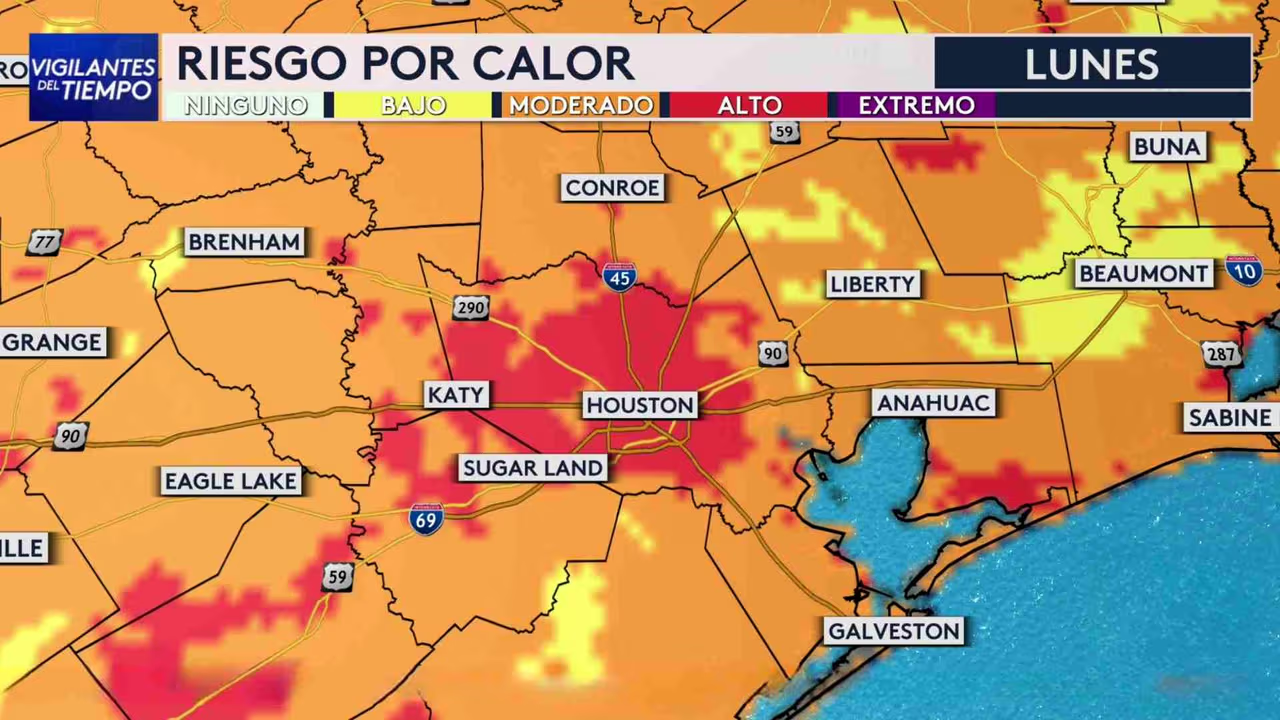
.png "Endorsement Revealed: Our Pick in Florida’s High-Stakes GOP Gov Race")


