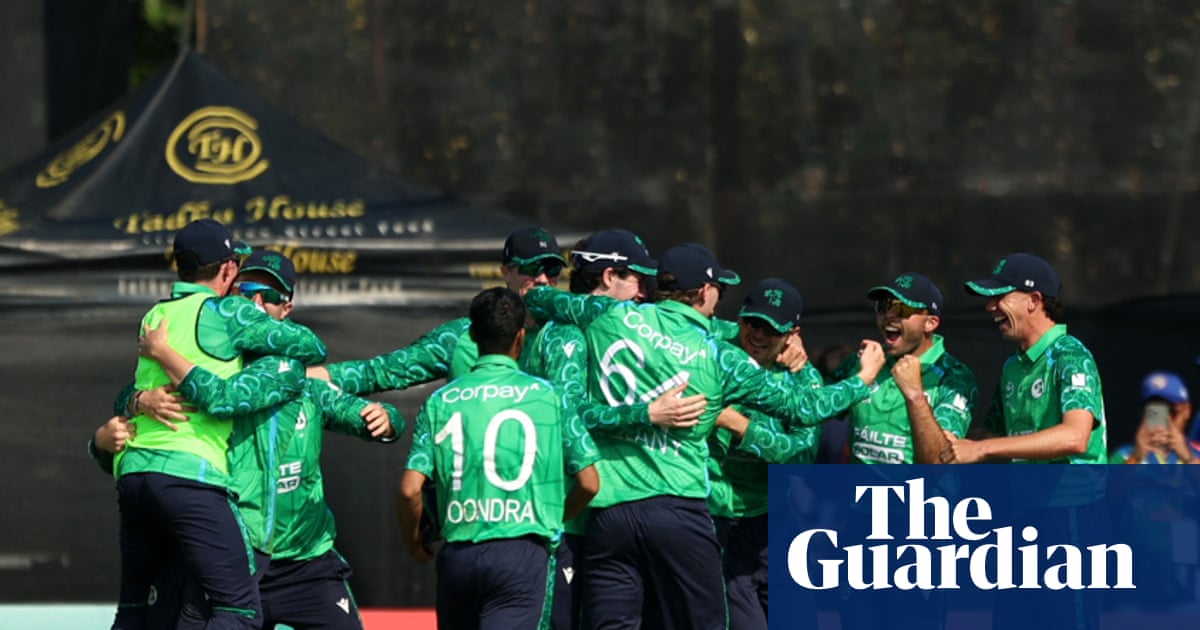
Ireland Defies ECB: 5-Match Afghanistan Deal Sparks Fury
Ireland’s Cricket Match With Afghanistan Upsets England: Here’s Why It Matters
The Big Picture: A Cricket Disagreement Between Friends
Imagine two neighbors who usually play cricket together every summer. Suddenly, one neighbor decides to invite a new friend to play—a friend the other neighbor refuses to play with because of serious concerns about how that friend treats women. That’s essentially what’s happening between England and Ireland in the cricket world right now.
Important Point: This isn’t just about sports—it’s about human rights, politics, and the future of international cricket relationships.
Why Is England Unhappy?
The Core Issue: Women’s Rights in Afghanistan
- The Taliban takeover – In 2021, the Taliban regained control of Afghanistan
- Ban on women’s sports – They immediately banned girls and women from playing any sports
- Women’s cricket team fled – The Afghanistan women’s cricket team had to escape the country; most now live in Australia
- No women’s program – Afghanistan is now the only top-level (ICC Full Member) cricket nation without a women’s team
England’s Response: A Principled Stand
- No bilateral matches – England (ECB) refuses to play Afghanistan in one-on-one series
- Government backing – The UK government supports this position
- ECB Chair Richard Thompson calls it "gender apartheid"
- Only ICC events – England will only play Afghanistan in global tournaments (like World Cups) where they have to play
Important Point: "Bilateral series" = two countries agreeing to play each other. "ICC events" = world tournaments organized by the International Cricket Council where all qualified teams participate.
What Did Ireland Do Differently?
Ireland Said "Yes" to Cricket
Cricket Ireland took a completely different approach:
- Signed a deal with Afghanistan Cricket Board for 5 One-Day Internationals (ODIs) this summer
- All matches in Northern Ireland (part of the UK, but Cricket Ireland runs cricket for the whole island)
- Reciprocal tour – Ireland will travel to the UAE next March for:
- 1 Test match
- 3 ODIs
- 3 T20 matches
Why Ireland’s Decision Matters
| Country | Stance on Playing Afghanistan Bilaterally |
|---|---|
| England | Refuses |
| Australia | Refuses |
| South Africa | Refuses |
| New Zealand | Refuses |
| Ireland | Agreed to play |
| West Indies | Agreed to play |
| Zimbabwe | Agreed to play |
| Asian Full Members (4) | Agreed to play |
The Consequences: England Punishes Ireland?
Lost Opportunities for Ireland
- No more warm-up Tests – England used to play Ireland at Lord’s before big home series (2019, 2023). Next year? England chose Bangladesh instead.
- Second-string team only – When England played 3 T20s in Ireland last September, they sent a weakened "B team"
- No future men’s fixtures – Zero matches scheduled between England and Ireland men’s teams going forward
- Declined new tournament – England said "no" to a proposed Euro Nations Cup (with Scotland, Netherlands, Italy) citing "busy schedule"
Important Point: Only the England women’s team will play Ireland next month—a 3-match ODI series.
The Bigger Context: A Divided Cricket World
Who Decides What’s Right?
- ICC (World Governing Body) – Has NOT banned Afghanistan despite no women’s program
- Individual Countries – Making their own moral choices
- 160 UK MPs – Signed a letter criticizing England for even playing Afghanistan in a World Cup game last year
- Afghan Refugee Women’s Team – England invited them to tour and attend the T20 World Cup final at Lord’s
The Tension: Sport vs. Politics
| Perspective | Argument |
|---|---|
| England/Aus/SA/NZ | Playing Afghanistan = legitimizing Taliban’s oppression of women |
| Ireland/others | Cricket engagement = keeping dialogue open, helping Afghan cricket survive |
| ICC | Banning Afghanistan would punish innocent players, not the regime |
Summary: What You Need to Know
- Ireland agreed to play Afghanistan in a 5-match ODI series this summer
- England is furious because they refuse to play Afghanistan bilaterally due to the Taliban’s ban on women’s sports
- England’s policy has UK government support and is called a stand against "gender apartheid"
- Consequence: England has dropped Ireland from their fixture list—no warm-up Tests, no tours, just a weakened T20 team last year
- Cricket world is split: 4 major nations boycott Afghanistan; Ireland joins 7 others who still play them
- ICC hasn’t banned Afghanistan despite being the only Full Member without women’s cricket
- Relationship damaged: England also rejected a new European tournament involving Ireland
FAQ: Your Questions Answered
Why does England refuse to play Afghanistan but played them in the Champions Trophy?
Great question! In ICC tournaments (World Cups, Champions Trophy), teams must play whoever qualifies—it’s not optional. England tried to withdraw but the ICC wouldn’t allow it. In bilateral series, countries choose their opponents—so England chooses not to schedule them.
What is "gender apartheid"?
Simple explanation: "Apartheid" means a system of separation and discrimination. "Gender apartheid" describes the Taliban’s system where women are completely excluded from public life—education, work, sports, even leaving home without a male guardian. It’s not an official legal term, but human rights groups use it to describe the severity.
Why hasn’t the ICC banned Afghanistan?
The ICC argues that banning Afghanistan would punish the players (who have no control over the Taliban) and destroy cricket in the country. They prefer "engagement" to keep pressure on. Critics say this lets the Taliban off the hook.
Will Ireland lose money from this?
Very likely. Playing England brings huge crowds, TV money, and sponsorship. Losing those fixtures hurts Cricket Ireland financially. But they’ve calculated that the Afghanistan deal (plus UAE tour) provides valuable cricket and revenue too.
Could this be resolved?
Maybe, but not soon. It would require either:
- The Taliban allowing women’s cricket (very unlikely currently)
- The ICC forcing a ban (they’ve refused so far)
- England changing its policy (no sign of this with government backing)
- A compromise where "engagement" continues but with strict conditions
Final Thought
Cricket often calls itself a "family." Right now, that family is having a very loud argument at the dinner table about whether to invite a relative who treats their daughters terribly. Ireland said "yes, come play." England said "not in my house." The rest of the family is picking sides—and the kids (players and fans) are watching to see what happens next.
Important Point: This story is still developing. The matches start Wednesday, but the diplomatic ripple effects will last for years.