11
11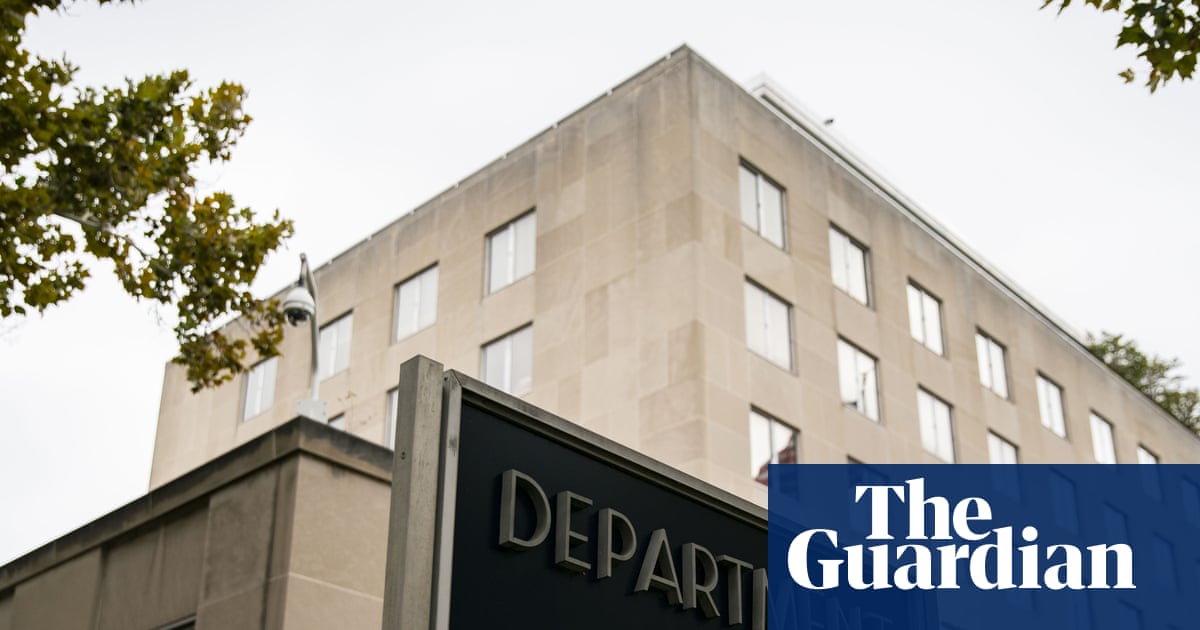
Imagine if your school decided to close the guidance counselor’s office, the library help desk, and the college admissions office—all at the same time. Students would still need help, but there’d be fewer people to give it. That’s basically what the United States is doing with its diplomatic offices around the world.
The US State Department plans to shut down five consulates and missions across four continents. This is part of a bigger plan to save money and shrink the government’s overseas presence.
IMPORTANT POINT
These closures aren’t happening in isolation. They’re part of a pattern: last year, the State Department fired over 1,300 employees, and more than half of all US ambassador positions worldwide remain empty.
Here are the five locations losing their US diplomatic presence:
| Location | Country | Type of Office | Opened |
|---|---|---|---|
| St. George’s | Grenada (Caribbean) | Full Embassy | — |
| Nagoya | Japan | Consulate | — |
| Medan | Indonesia | Consulate | — |
| Douala | Cameroon | Embassy Branch Office | — |
| Winnipeg | Canada | Consulate | 2001 |
IMPORTANT POINT
The Winnipeg consulate was the only US diplomatic office in central Canada, bridging the huge gap between Calgary (west) and Toronto (east).
Senator Jeanne Shaheen (top Democrat on Senate Foreign Relations Committee):
"China has a diplomatic presence in three of the five locations where the State Department is closing shop. Beijing is going to exploit that new vacuum to undercut American interests."
| Location | China Has an Office? |
|---|---|
| St. George’s, Grenada | Yes |
| Nagoya, Japan | Yes |
| Medan, Indonesia | Yes |
| Douala, Cameroon | No |
| Winnipeg, Canada | No |
The worry: When the US leaves, China stays—or expands. That means:
Brad Kirbyson (worked there 20 years):
"I’m sure it’ll save them a few dollars, but the net effect is to lose touch with a broad swath of Canada. The United States found that it was a very long way between the US consulate in Calgary and the one in Toronto."
Canada’s response: Diplomatic but pointed—emphasizing "long history of collaboration" through foreign offices.
Will this stop at five? The White House wanted 30 closures. With ambassador posts empty and USAID gone, many experts see this as the start, not the finish.
Embassy = Main diplomatic office in a country’s capital (handles government-to-government relations).
Consulate = Branch office in other cities (helps citizens, processes visas, supports trade).
St. George’s is an embassy; the other four are consulates or branch offices.
No. Services will shift to the nearest remaining US office. But it means longer travel, slower service, and fewer local contacts who understand the region.
Diplomacy is like showing up. If the US leaves a room and China stays, China gets to shape the conversation, build relationships, and set the agenda in that country. Over time, that means less US influence.
Congress was notified—not asked for permission. The State Department has authority to close posts, but Congress controls the budget. They could pressure, investigate, or restrict funding for future closures.
Some reshuffling is normal. But the scale—mass firings + empty ambassadorships + USAID elimination + multiple consulate closures all at once—is unprecedented in modern history, according to career diplomats.
Diplomacy isn’t flashy. It doesn’t make headlines like a summit or a treaty. But it’s the quiet infrastructure of global relationships—the people who show up, stay, listen, and help. When you close the offices, you don’t just save money. You stop showing up.
And in global politics, showing up is half the game.