Trump’s $10 Billion Lawsuit Against the Wall Street Journal: A Simple Guide to What’s Happening
The Big Picture
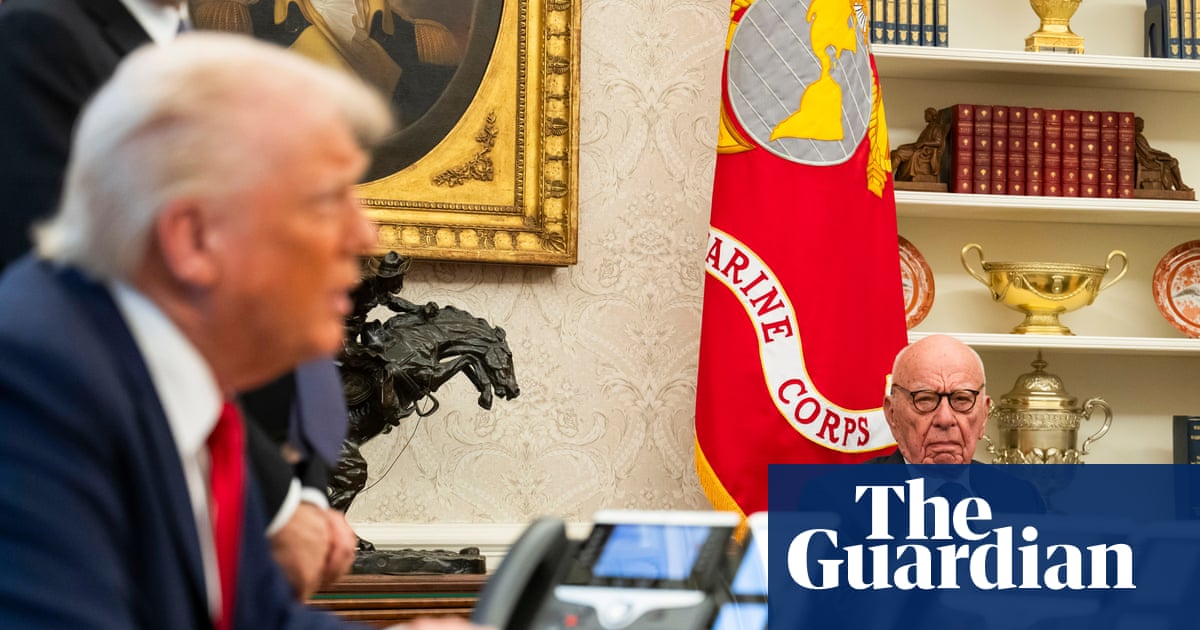
Imagine someone writes a story about you that you say isn’t true. You’re so upset that you sue them for $10 billion (that’s 10,000 million dollars!). That’s exactly what’s happening right now between former President Donald Trump and the Wall Street Journal.
A federal judge in Florida listened to both sides argue their case on Wednesday. The judge didn’t make a final decision yet, but he had some tough questions for both sides.
What Started This Whole Thing?
The Article in Question
In July 2025, the Wall Street Journal published an article with this headline:
"Jeffrey Epstein’s Friends Sent Him Bawdy Letters for a 50th Birthday Album. One Was From Donald Trump."
Key facts about the article:
- It discussed a 2003 birthday book created for Jeffrey Epstein (a financier later convicted of sex crimes)
- The book supposedly contained a "bawdy" (rude/off-color) letter allegedly from Trump
- Trump denies ever writing or signing this letter
- The reporters were Khadeeja Safdar and Joe Palazzolo
The Lawsuit Timeline
- First attempt: Trump sued the Journal, Rupert Murdoch (News Corp founder), and News Corp
- April 2026: Judge Darrin P. Gayles dismissed the case, saying Trump’s lawyers didn’t properly explain "actual malice" (a legal term we’ll explain below)
- May 2026: Trump’s team refiled the lawsuit with changes
- Wednesday (current hearing): Both sides argued in a Miami courtroom for 90 minutes
The Legal Standard: "Actual Malice" Explained Simply
[!IMPORTANT]
What is "Actual Malice"?
In defamation law, public figures (like presidents) must prove "actual malice" to win. This doesn’t mean the writer hated the person. It means:
- The publisher knew the story was false when they printed it, OR
- The publisher recklessly disregarded whether it was true or false
It’s a very high bar to clear – on purpose! It protects free speech and a free press.
What Trump’s Lawyers Argued
Attorney Alejandro Brito (who also handles Trump’s lawsuit against the BBC) made these points:
Main Arguments
- The Journal "didn’t follow journalistic standards" for making such definite claims
- They "did not and could not have done the investigations" needed to back up their definitive statements
- Only four people could confirm if the letter is real:
- Trump – says he didn’t write it
- Jeffrey Epstein – died by suicide in 2019
- The bookbinder – also deceased
- Ghislaine Maxwell (Epstein associate) – says she doesn’t recall who participated
On Financial Harm
- The judge seemed skeptical that Trump was financially hurt by the article
- Brito argued they don’t need to specify financial harm at this stage
- Claimed they’ve "done enough at this stage"
What the Wall Street Journal’s Lawyers Argued
Attorneys Andrew J. Levander and Katherine M. Bolger represented Murdoch, the Journal, and News Corp.
Main Arguments
- Trump’s amended complaint is "no better than the original"
- Called the lawsuit "baseless" and said "it is time for this baseless lawsuit to come to an end"
- The judge gave Trump a "roadmap to fix this case and he couldn’t do it"
- Trump’s team mischaracterized the article
- The Journal can’t be expected to refrain from publishing just because the subject denies the story
On Journalistic Practices
- The Journal included Trump’s denials in the article
- Reporters were careful to tell readers "what they know and what they don’t know"
- Bolger’s key quote: "That’s not actual malice – that’s good journalism."
The Judge’s Reaction
Judge Darrin P. Gayles showed skepticism toward both sides:
| Toward Trump’s Team |
Toward Journal’s Team |
| Questioned financial harm claims ("rather conclusory") |
Didn’t immediately dismiss the case |
| Pressed on "actual malice" standard |
Allowed the hearing to proceed fully |
|
Agreed to stay discovery (pause evidence gathering) |
What happens next?
- No ruling from the bench (immediate decision)
- Judge indicated a ruling will come soon
- Discovery is paused – meaning no document requests, depositions, etc. for now
Why Discovery Matters (And Why the Journal Wants to Avoid It)
[!NOTE]
What is "Discovery"?
Discovery is the pre-trial phase where both sides:
- Request documents from each other
- Take sworn testimony (depositions)
- Ask written questions (interrogatories)
It can be expensive, time-consuming, and intrusive.
The Journal’s argument: Given Trump’s history of suing media companies, allowing discovery would be:
- Burdensome on the court
- Burdensome on the Wall Street Journal
The judge agreed to pause discovery while he decides whether the case should proceed at all.
Summary
In a nutshell:
- Trump sued the Wall Street Journal for $10 billion over a 2025 article about an alleged letter in Jeffrey Epstein’s 2003 birthday book
- The case was dismissed once but refiled with changes
- The core legal battle: Did the Journal act with "actual malice" (knowing falsity or reckless disregard for truth)?
- Trump’s team says: Journal didn’t investigate properly; only 4 people could verify the letter and none confirm it
- Journal’s team says: We included Trump’s denial, explained what we knew/didn’t know – that’s good journalism, not malice
- The judge is skeptical of both sides but hasn’t ruled yet
- Discovery is paused pending the judge’s decision on whether the case moves forward
FAQ: Your Questions Answered
1. What does "defamation" mean in simple terms?
Defamation is when someone publishes a false statement presented as fact that harms another person’s reputation. For public figures like Trump, they must prove the publisher knew it was false or didn’t care if it was true ("actual malice").
2. Why is the standard so high for public figures?
The Supreme Court established this in New York Times v. Sullivan (1964) to protect free speech and a free press. If public figures could easily sue over negative coverage, it would chill journalism and public debate.
3. What does "stay discovery" mean for the case?
It means everything pauses. No one has to hand over emails, sit for depositions, or produce documents until the judge decides if the lawsuit can even proceed. It saves both sides money and effort if the case gets dismissed.
4. Could Trump still win this lawsuit?
It’s possible but very difficult. He must convince the judge that the Journal knew the letter story was false or recklessly ignored the truth. The Journal’s inclusion of Trump’s denial and transparency about their reporting makes this a steep climb.
5. What happens if the judge dismisses the case again?
If dismissed with prejudice, the case is over forever – Trump can’t refile. If dismissed without prejudice, he could theoretically try again (but the judge already gave him one "roadmap" to fix it). An appeal to a higher court is also possible.
This article explains a complex legal proceeding in simple terms. For legal advice, please consult an attorney.
 1
1