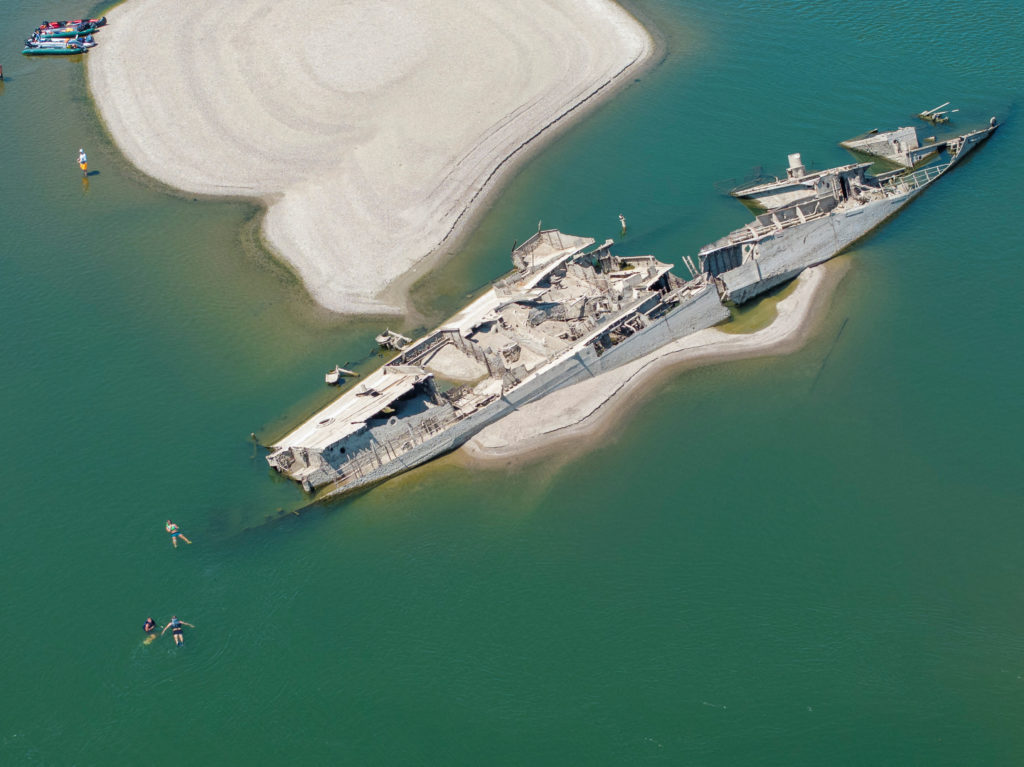
Sunken Nazi Ships Reappear as the Danube River Runs Dry
Why the Danube Is Making Headlines
- The Danube River, Europe’s second‑longest river, has dropped to record‑low levels because of a severe drought and an unusually hot summer.
- As the water recedes, the rusted hulls of dozens of World War II German warships are becoming visible near the Serbian port of Prahovo, on the border with Romania.
- The low water is also threatening power plants, shipping traffic, and electricity supplies across Central and Eastern Europe.
Important: Experts link the extreme heat and drought to global warming, making this a climate‑change story as much as a historical one.
The Story Behind the Sunken Ships
-
Who owned the ships?
- They belonged to Nazi Germany’s Black Sea fleet.
-
Why were they sunk?
- In September 1944, as Soviet forces pushed deeper into the Balkans, the Germans deliberately sank (scuttled) up to 200 warships near Prahovo in the Danube gorge.
- The goal was to slow the Soviet advance by blocking the river.
-
What happened next?
- Nazi Germany surrendered in May 1945, just months later.
- Many of the ships still carry weapons and explosives, making them dangerous to move.
- What has been done so far?
- After the war, Communist Yugoslav authorities removed some of the wrecks.
- Most remained because the explosives made removal too dangerous.
- The Serbian government, with European Union funding, has been planning a full cleanup for years.
Why the Low Water Is a Problem Right Now
- The Danube flows through 10 countries and is a major shipping lane.
- Low water levels make the river too shallow for large cargo ships, almost stopping commercial traffic (as a local resident noted, “the big ships can’t pass anymore”).
- Power plants that rely on river water for cooling are close to shutting down, prompting governments to conserve electricity.
- Experts say the extreme heat driving the drought is linked to global warming.
What’s Being Done Now?
- Monitor water levels closely across all 10 Danube nations.
- Coordinate shipping schedules to avoid accidents in shallow waters.
- Accelerate plans to safely remove the remaining wrecks (with EU financial help).
- Implement electricity‑saving measures in affected countries.
- Monitor climate trends to prepare for future droughts.
Quick Summary
- A historic drought has lowered the Danube enough to reveal dozens of WWII German warships sunk in 1944.
- The ships were deliberately sunk to block Soviet troops; most remain because they still hold explosives.
- Low water now threatens shipping, power generation, and electricity supplies across 10 countries.
- Climate experts tie the extreme heat to global warming, making this a modern climate crisis as well as a historical curiosity.
- Governments and the EU are working to keep the river navigable and to finally clear the dangerous wrecks.
FAQ
Q1: Why were the German ships sunk in the Danube?
A: The Germans scuttled them on purpose in September 1944 to block the river and slow the advancing Soviet army.
Q2: Why are the ships still there after almost 80 years?
A: Many still contain live explosives, making them too dangerous to remove without special equipment and funding.
Q3: How does the low water affect people today?
A: It stops large ships from passing, threatens power plants that need river water for cooling, and forces governments to cut electricity use.
Q4: Is climate change involved?
A: Yes. Scientists say the extreme heat and drought causing the low water are linked to global warming.
Q5: What is being done about the wrecks now?
A: Serbia, with EU money, is working on a plan to safely remove the remaining ships, while authorities manage river traffic and electricity use in the meantime.
 1
1