Wildfire Smoke Shifts Across the Pacific Northwest: What You Need to Know
The Big Picture
A weather pattern change is coming to the Pacific Northwest this week. After days of smoky air in Seattle and surrounding areas, the wind direction is shifting. This means some places will get cleaner air, but other areas will see smoke move in. At the same time, warmer temperatures and breezy conditions could spark new fires or make existing ones grow.
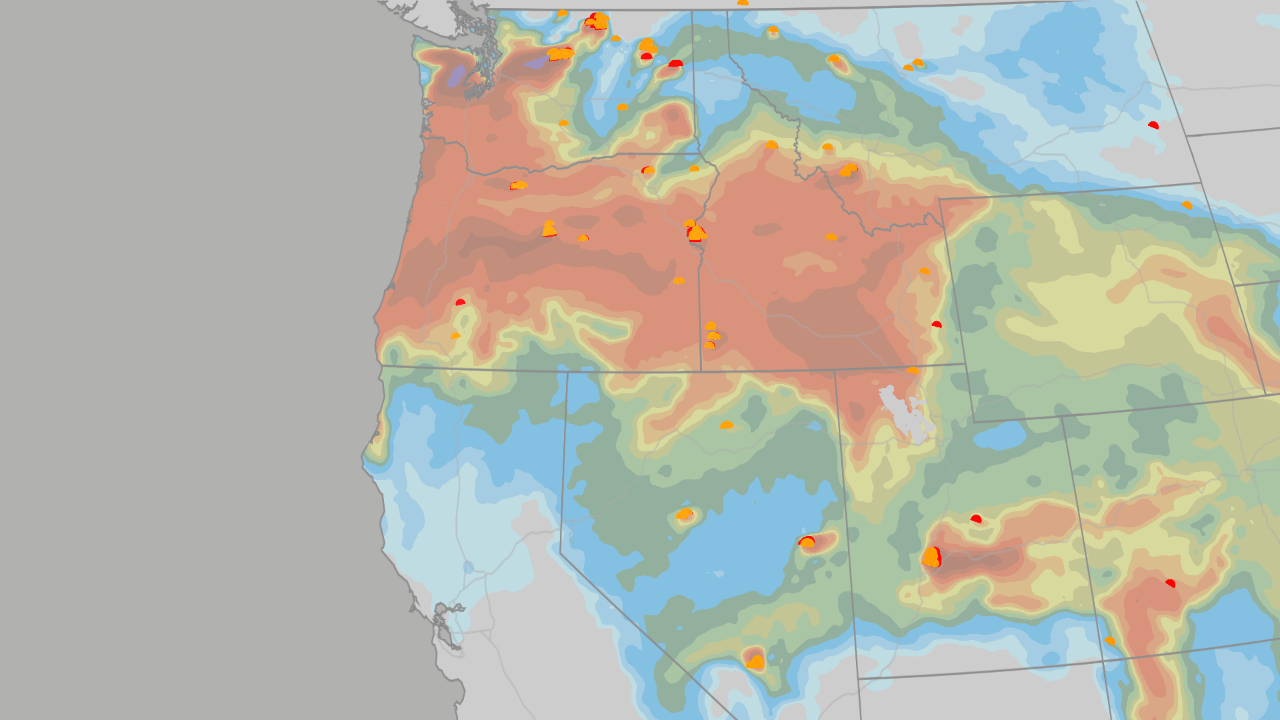
Where the Fires Are Burning Right Now
The largest number of big wildfires are in the eastern two-thirds of Oregon and Washington.
- Spokane, Washington area: Three major fires have destroyed hundreds of homes and businesses
- Central and eastern Oregon: 30 large fires currently burning
- Other states: Large fires also burning in Idaho, Montana, and Utah
Important: Fire season is in full swing across the Western U.S. Conditions can change quickly.
Where the Smoke Is Headed
Thursday: Wind Direction Flips
- Normal west-to-east winds return (this is the typical pattern for the region)
- Smoke over western Washington and western Oregon will push eastward
- The thick smoke layer should thin out as it moves
Late Week: Smoke Spreads Inland
- Smoke will spill across the Rocky Mountains
- Yellowstone and Aspen areas: Expect smoky conditions — not ideal for outdoor plans
- Boise, Idaho: Ground-level smoke continues
- Salt Lake City, Utah: Smoke could reach this far south
Weekend: Fire Danger Increases
- Gusty winds return (some over 30 mph in lower elevations)
- Peak wind day: Saturday
- These winds could:
- Make existing fires grow faster
- Spark new fires
- Spread smoke in new directions
Record Heat on the Way?
As the smoke clears out west and high pressure builds in, temperatures will climb:
| City |
Expected Highs |
Notes |
| Seattle |
Near 90°F |
Could tie or break daily records |
| Portland |
Mid-90s°F |
Well above average |
| Eugene & Medford, OR |
Mid-90s°F |
Flirting with record highs |
| Olympic Peninsula & Coast |
70s–80s°F |
Cooler marine air keeps it comfortable |
Key Point: The same wind pushing smoke inland is bringing hotter air to the I-5 corridor and beyond.
Is Relief Coming?
Good News
- Gradual cooling arrives in the Northwest by this weekend
- Next week: Monsoon moisture may bring thunderstorms to the northern Rockies
The Catch (It’s a Mixed Blessing)
- Rain is desperately needed for fire containment
- But: Even light rain on recently burned ground can cause:
- Flash flooding
- Muddy debris flows (fast-moving mud and rock slides)
- Some storms may bring only lightning and wind — no rain — which could start more fires
How to Stay Safe from Wildfire Smoke
Why Smoke Is Dangerous (Simple Explanation)
Wildfire smoke contains tiny particles — much smaller than a human hair. When you breathe them in:
- They lodge deep in your lungs
- They can enter your bloodstream
- This causes immediate and long-term health effects
Short-Term Symptoms
- Coughing
- Shortness of breath
- Scratchy throat
- Runny nose
- Burning, irritated eyes
Long-Term Risks (with prolonged exposure)
- Chronic lung problems
- Increased inflammation
- Higher risk of heart attacks and strokes
Check Your Air Quality — It’s Easy!
On The Weather Channel App:
- Open your local forecast
- Tap the "Breathing" button
On weather.com:
- Go to your local forecast page
- Click "Air Quality" at the top
Understanding the Color Code
| Color |
Level |
What It Means |
| Green |
Good |
Air is safe for everyone |
| Yellow |
Moderate |
Unusually sensitive people may notice symptoms |
| Orange |
Unhealthy for Sensitive Groups |
See below |
| Red |
Unhealthy |
See below |
| Purple |
Very Unhealthy |
See below |
| Maroon |
Hazardous |
See below |
What to Do Based on Your Air Quality
Code Orange (Unhealthy for Sensitive Groups)
Who’s at risk: People with asthma/COPD, heart conditions, older adults, children, pregnant people
Action: Avoid staying outside longer than necessary
Code Red, Purple, or Maroon (Unhealthy for Everyone)
Who’s at risk: EVERYONE
Action:
- Limit time outdoors
- Exercise indoors
- Walk pets briefly — just long enough to do their business
- Consider a well-fitting N95 mask if you must be outside
Pro Tip: A simple DIY air filter (box fan + furnace filter) can clean indoor air for about $65 in 15 minutes. Learn how here.
Summary
- Pattern change Thursday: West-to-east winds return, pushing smoke from Seattle/Portland toward the Rockies
- Weekend fire danger: Gusty winds (30+ mph) could spread existing fires and start new ones
- Heat wave: 90s°F likely for Seattle/Portland — near record highs
- Relief coming: Cooler temps this weekend; monsoon storms possible next week (but with flood/lightning risks)
- Health first: Check air quality daily. Limit outdoor time when colors turn orange, red, purple, or maroon
- Indoor air matters: Use air purifiers or DIY filters to keep inside air clean
FAQ
Why does the wind direction matter so much for smoke?
Think of wind like a giant fan. Normally, wind blows from the Pacific Ocean toward the east (ocean → land). This pushes clean marine air inland. But sometimes, wind reverses (land → ocean), trapping smoke over cities like Seattle. Thursday’s change restores the "normal" fan direction, blowing smoke away from the coast and toward the mountains.
If the air looks clear, is it safe to breathe?
Not always! The most dangerous particles (PM2.5) are invisible. Always check the Air Quality Index (AQI) — don’t rely on visibility alone.
Will a regular cloth or surgical mask protect me from smoke?
No. These masks don’t filter out the tiny PM2.5 particles. You need a well-fitted N95, KN95, or P100 respirator for real protection.
What’s the deal with monsoon thunderstorms — are they good or bad?
Both. The rain helps put out fires, but:
- Burned soil can’t absorb water → flash floods and mudslides
- "Dry lightning" (lightning without rain) can start new fires
- It’s a mixed blessing that firefighters watch closely.
How long will fire season last?
In the Pacific Northwest, fire season typically runs through September and sometimes into October. The risk drops once consistent fall rains return — usually in late October or November.
Stay informed, stay indoors when air quality is poor, and keep an eye on local alerts. Your lungs will thank you!
 1
1