Popular Posts

Senate Panel to Vote on Holding Fauci in Contempt of Congress

Senate Panel to Vote on Holding Fauci in Contempt of Congress

Dr. Anthony Fauci Faces Contempt-of-Congress Vote: What You Need to Know

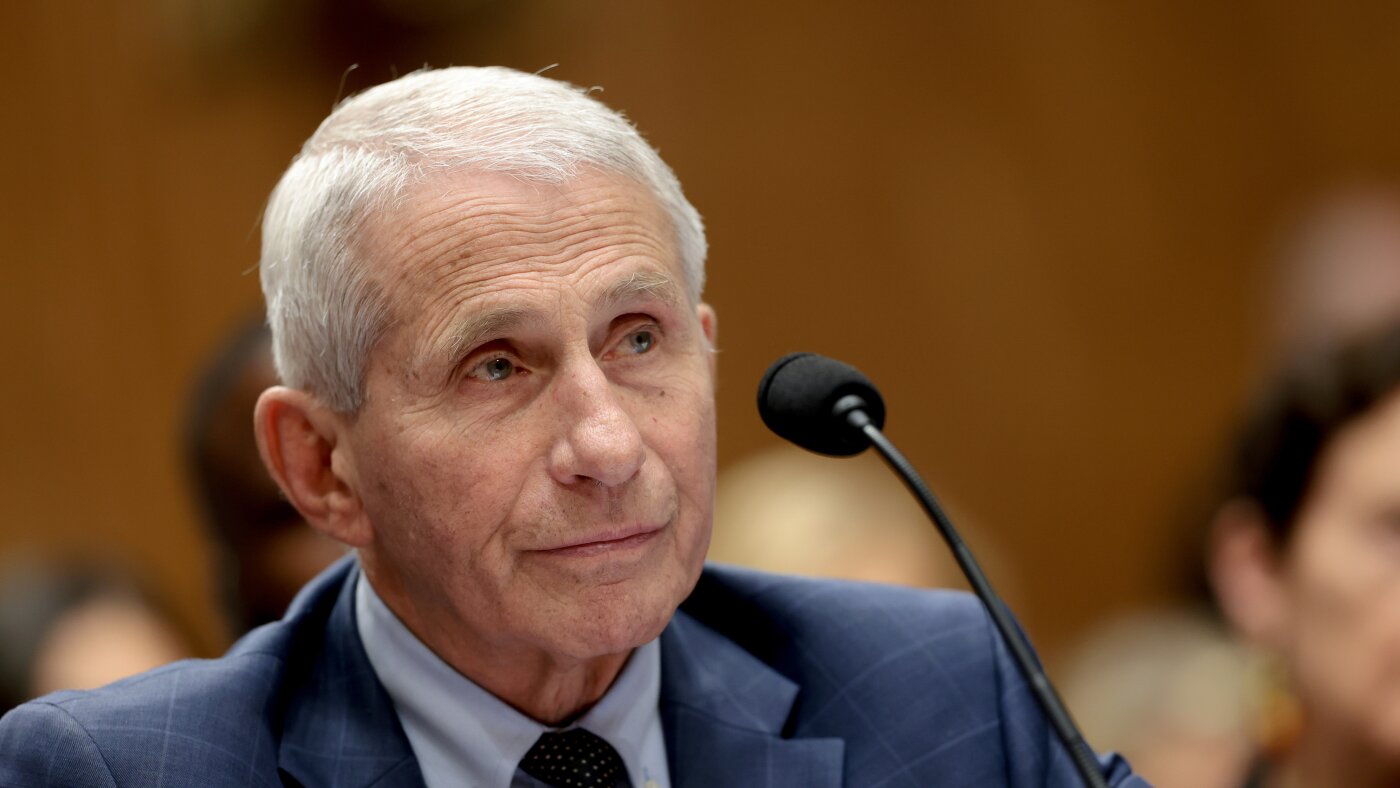
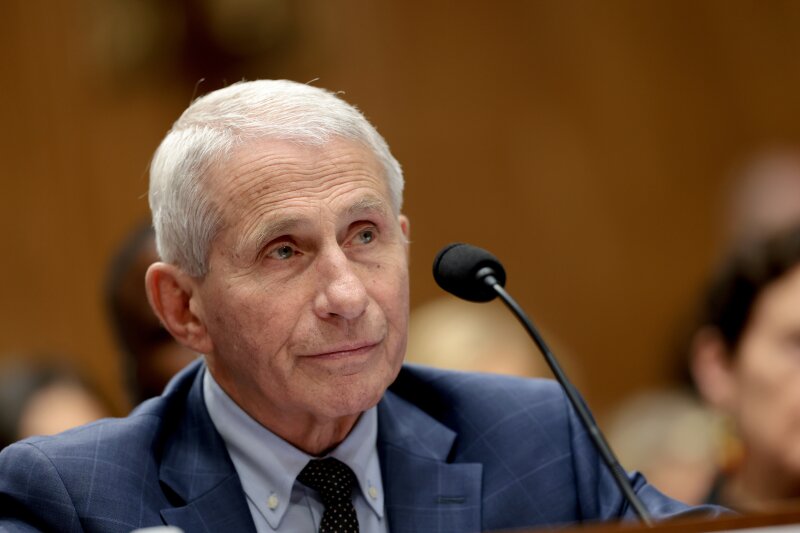
Dr. Anthony Fauci sitting at a hearing
Dr. Anthony Fauci listens during a Senate hearing on July 29. Photo by Anna Moneymaker/Getty Images


What Just Happened?

Dr. Anthony Fauci, the 85-year-old retired doctor who led America’s fight against COVID-19, is in hot water with Congress. A Senate committee voted on whether to hold him in "contempt of Congress" — a fancy legal term that basically means "you refused to cooperate with our investigation."

Here’s the simple breakdown:

  • Who: Dr. Anthony Fauci (former top infectious disease expert)
  • What: Refused to answer questions at a Senate hearing
  • Why: Used his Fifth Amendment right (the right to stay silent so you don’t accidentally say something that could get you in legal trouble)
  • Where: Senate Homeland Security and Governmental Affairs Committee
  • When: Hearing happened last week; contempt vote scheduled for Thursday

The Backstory: Fauci vs. Senator Rand Paul

This isn’t a new fight. Dr. Fauci and Senator Rand Paul (R-Ky.) have been arguing for years about where COVID-19 came from.

Key Point: Senator Paul chairs the committee that held the hearing. Dr. Fauci called Paul’s focus on him an "unhinged obsession" and said the hearing was a trap to get him to lie under oath.
What Sparked This Latest Fight?

  1. Senator Paul released over 1,000 pages of Dr. Fauci’s private diary entries
  2. Paul claims these diaries show Fauci had private doubts about the pandemic’s origins that he didn’t share publicly
  3. At the hearing, Fauci said he’d already answered these questions in previous testimony
  4. On his lawyers’ advice, Fauci invoked the Fifth Amendment and refused to answer more questions

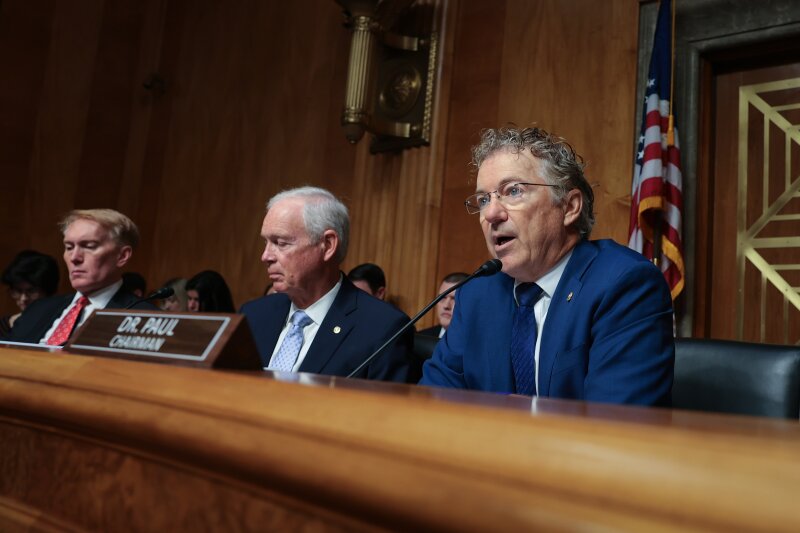
Senator Rand Paul speaking at hearing
Senator Rand Paul delivers his opening statement. Photo by Anna Moneymaker/Getty Images


The Pardon Complication

Here’s where it gets tricky. President Joe Biden gave Dr. Fauci a "preemptive pardon" in 2025 covering his actions from 2014 through January 2025.

What the Pardon DOES Cover:

  • Actions taken during the pandemic response (2020–2025)
  • Work going back to 2014

What the Pardon DOES NOT Cover:

  • Anything said or done AFTER January 2025
  • Testimony given at this current hearing
  • Any future statements or actions

Important: Senator Paul argued Fauci shouldn’t worry because of the pardon. But legal experts say the pardon doesn’t protect him from new statements made today. If Fauci says something contradictory now, he could still be prosecuted for perjury (lying under oath).


What Happens Next? (Step by Step)

  1. Committee votes on contempt resolution (happening Thursday)
  2. If approved → Goes to full Senate for a vote
  3. If Senate approves → Referred to the Justice Department (DOJ)
  4. DOJ decides whether to pursue criminal charges
  5. If charged → Case goes to federal court

Has This Happened Before?

Yes, but it’s rare. Recent examples:

Person Role Outcome
Steve Bannon Former Trump adviser Convicted & imprisoned (Biden era)
Peter Navarro Former Trump trade adviser Convicted & imprisoned (Biden era)
Others Various Often resolved without prosecution

Democrats are worried the same thing could happen to Fauci, especially since the Trump administration has pursued legal action against other critics like former FBI Director James Comey.


Why This Matters (In Plain English)

  • Separation of Powers: Congress wants info; Executive Branch (DOJ) decides whether to prosecute
  • Precedent: Could affect how future officials testify
  • Political Tensions: Highlights ongoing fights over COVID origins and accountability
  • Legal Rights: Shows how the Fifth Amendment works in real life — even for famous people

Summary

  • Dr. Fauci refused to answer questions at a Senate hearing, citing his Fifth Amendment right
  • Senator Rand Paul (committee chair) has investigated Fauci for years over COVID origins
  • Fauci has a 2025 pardon for past actions, but it doesn’t cover current testimony
  • Senate committee voting on contempt of Congress — a formal "you didn’t cooperate" charge
  • If approved, the Justice Department decides whether to prosecute
  • Two Trump advisers were recently jailed for similar charges
  • Democrats fear political retaliation against Fauci

FAQ: Your Questions Answered

What is "contempt of Congress"?

It’s when Congress votes to punish someone who refuses to testify or provide documents after being legally ordered to do so. Think of it as Congress saying, "You’re not playing by the rules."

Why did Fauci "plead the Fifth" if he has a pardon?

The pardon only covers actions before January 2025. His testimony today isn’t protected. If he says something that contradicts past statements, he could be charged with perjury (lying under oath) — a new crime the pardon doesn’t cover.

Can Fauci go to jail?

Possibly, but it’s a long road. The committee votes → full Senate votes → DOJ decides to prosecute → court trial → conviction. Two recent Trump advisers (Bannon & Navarro) did go to jail for this, but it’s uncommon.

Is this political?

Both sides say yes, for different reasons. Republicans say they’re seeking accountability on COVID origins. Democrats say it’s a politically motivated witch hunt against a public servant. Fauci himself called it an "unhinged obsession."

What were in the diary entries Paul released?

Over 1,000 pages of Fauci’s private notes. Paul claims they show Fauci had private uncertainty about whether COVID came from a lab leak vs. natural spread — uncertainty Paul says Fauci didn’t share publicly.


Want to learn more? Read NPR’s coverage of last week’s hearing and Biden’s 2025 pardon.

Leave a Reply

Your email address will not be published. Required fields are marked *