11
11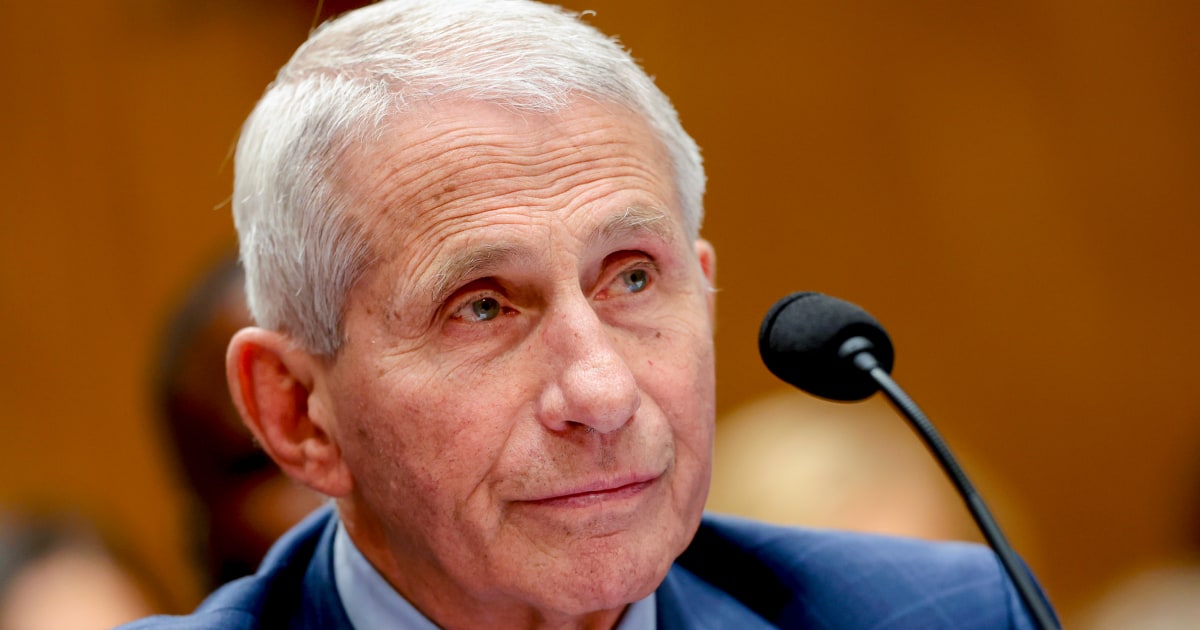
Imagine a teacher asks a student questions about a big project. The student says, "I don’t have to answer because my answers might get me in trouble with the law." That’s basically what happened here—but with the country’s top disease expert and U.S. Senators.
Dr. Anthony Fauci (former head of the National Institute of Allergy and Infectious Diseases) appeared before a Senate committee last week. Instead of answering their questions, he repeatedly said: "I plead the Fifth."
Now, Senate Republicans on the Homeland Security and Governmental Affairs Committee are voting on whether to punish him for that refusal.
In his opening statement, Fauci explained why he planned to stay silent:
He believed Republicans would twist his words to build a criminal case against him.
So when Senators asked questions, he invoked his Fifth Amendment right — the constitutional protection that says you don’t have to testify against yourself.
Senator Rand Paul and other Republicans make two main arguments:
| Argument | What It Means (ELI5) |
|---|---|
| 1. The Pardon Argument | President Biden gave Fauci a preemptive pardon (a "get out of jail free" card before any charges). Paul says: If you’re already pardoned, you can’t incriminate yourself — so the Fifth Amendment doesn’t apply! |
| 2. The "Waiver" Argument | Fauci gave an opening statement about his public service and past testimony. Paul says: By speaking at all, you gave up your right to stay silent! |
IMPORTANT POINT
Georgetown Law Professor Abbe Smith — a criminal defense expert — disagrees with both Republican arguments:
- On the pardon: "Preemptive pardons are unique. I’m not sure anybody knows how much protection they provide."
- On the waiver: "Fauci used his opening statement to say ‘this is a bridge too far’ — not to answer specific allegations. That’s not a waiver."
She added: "I would have advised Fauci to assert the Fifth, too."
Thursday’s Committee Vote
Republicans on the committee vote on a "contempt of Congress" resolution.
Two Paths Forward
If it passes, the committee can:
The Grand Jury Hurdle
If Pirro pursues prosecution, she must convince a D.C. grand jury to indict Fauci.
Her track record with D.C. grand juries is mixed — they’ve declined to indict in several high-profile cases.
This didn’t start last week. It’s the latest chapter in a years-long feud:
| What We Know | What’s Uncertain |
|---|---|
| Fauci pleaded the Fifth at a Senate hearing | Whether the committee votes contempt (likely yes) |
| Republicans claim his pardon + opening statement voided that right | Whether a legal expert agrees (Professor Smith says no) |
| Contempt → DOJ or full Senate vote → Grand Jury → Possible Trial | Whether Pirro pursues it / Grand Jury indicts / Jury convicts |
| This is the peak (so far) of a 5-year political battle | If this sets a precedent for pardoned witnesses |
In plain English: A Senator who’s hated Fauci for years is using a congressional hearing to try to put him in jail. Fauci lawyered up and stayed silent. Now the Senate might vote to punish him for it — but actual jail time is a long, uncertain road.
Yes — but it’s rare. "Contempt of Congress" is a crime (2 U.S.C. § 192). If convicted: up to 1 year in jail + $100,000 fine. But the Justice Department has to choose to prosecute, a grand jury must indict, and a trial jury must convict. Most contempt referrals go nowhere.
A preemptive pardon forgives crimes before charges are filed. Biden gave Fauci one in January 2025.
Republicans say: No risk of prosecution = no need for Fifth Amendment.
Experts say: We don’t actually know how courts would rule — this is uncharted legal territory.
Almost certainly not. Courts say waiver requires answering substantive questions about the investigation — not just making a general statement about your innocence or public service. Fauci explicitly said he wouldn’t answer questions in his opening statement.
She’s the U.S. Attorney for D.C. (top federal prosecutor in the district). If the Senate refers contempt, she decides whether to take it to a grand jury.
Her mixed record means D.C. grand juries have rejected her indictment requests before — so even if she tries, Fauci might not be charged.
Both sides see it differently.
Want to follow the vote? Watch the Senate Homeland Security Committee’s website or C-SPAN on Thursday.