 11
11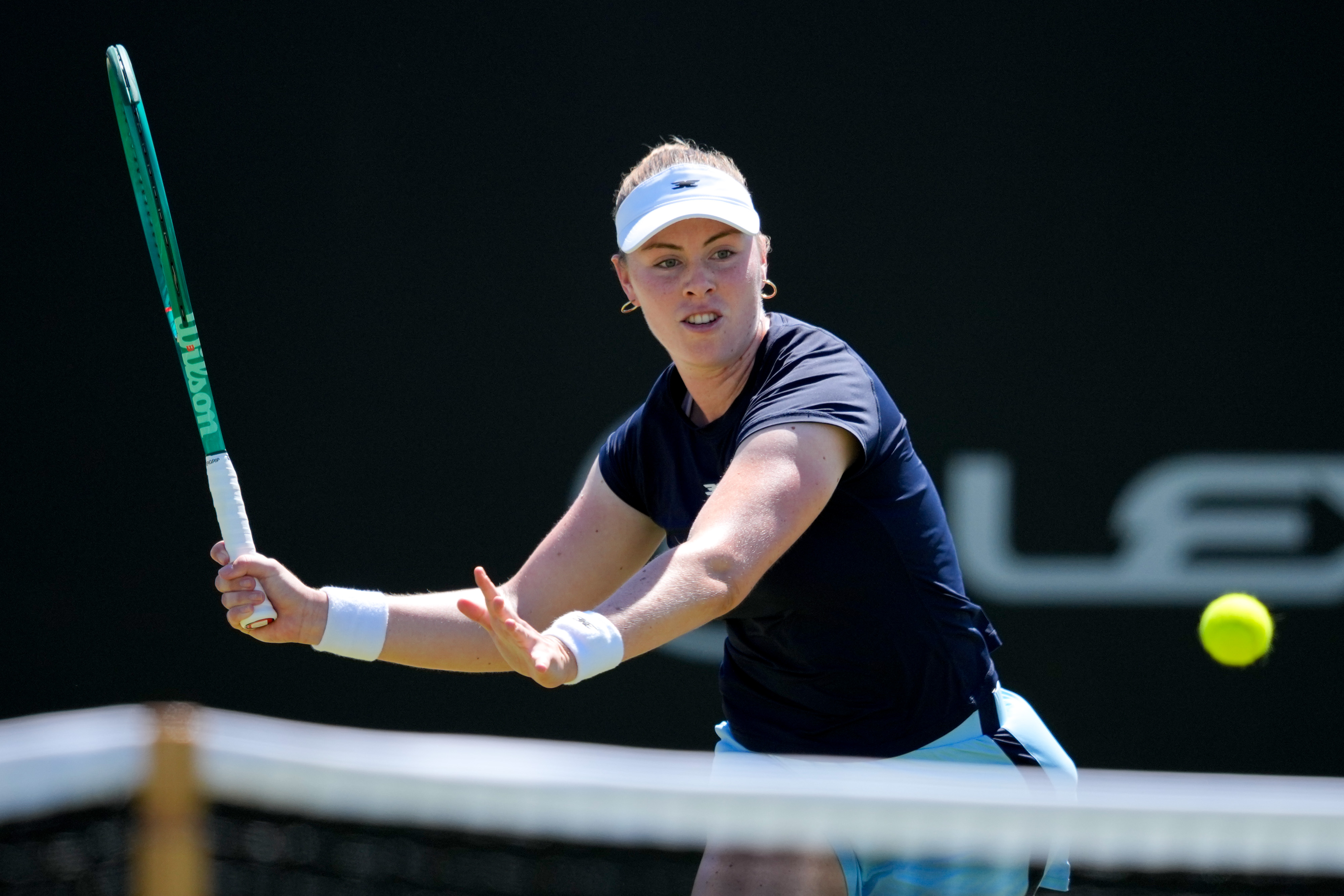
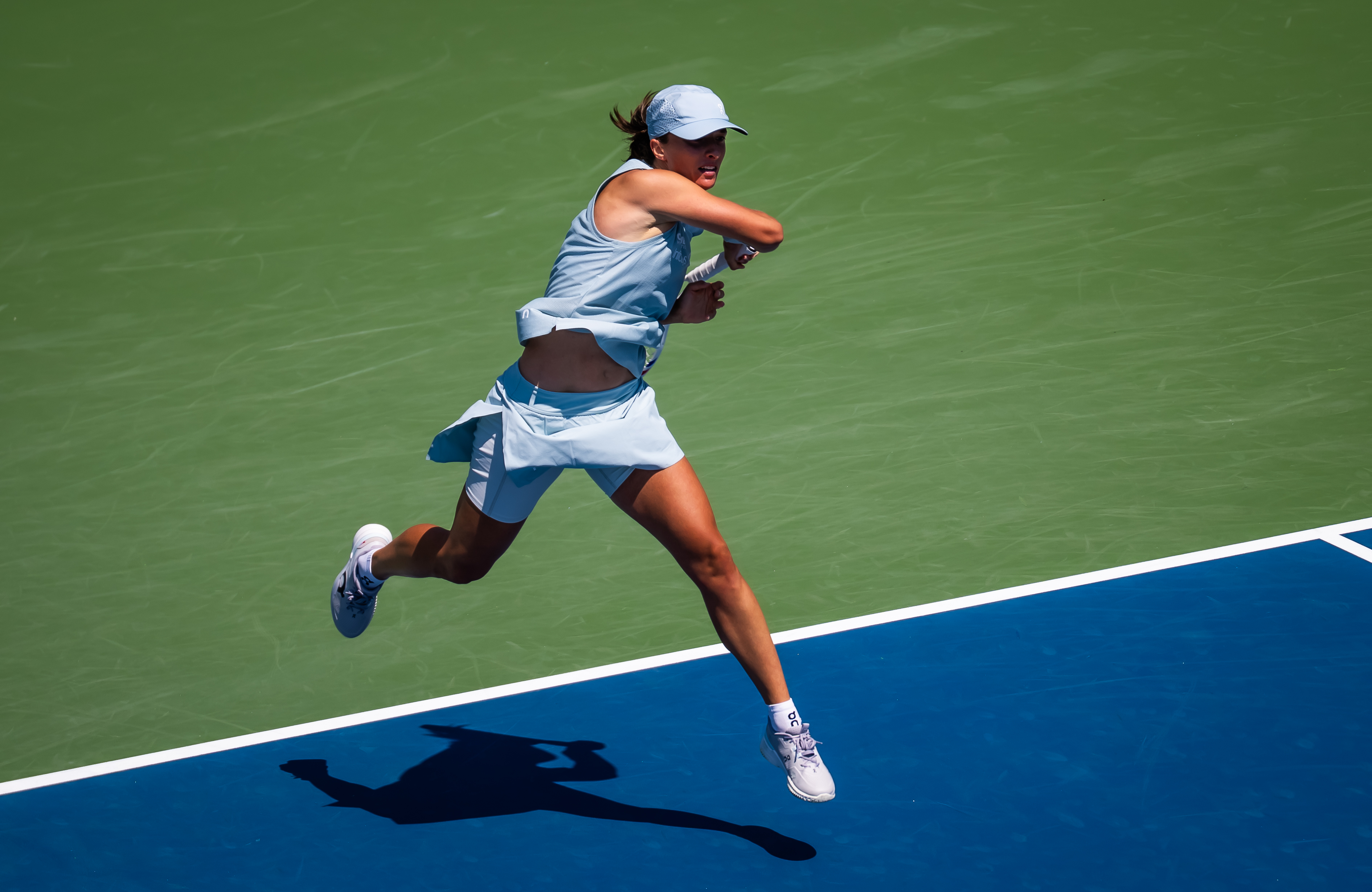
Think of this like a video game: Talia Gibson found her "power-up" again! After struggling on different surfaces (like changing from grass to ice skating), she’s back on her favorite surface — hard courts — and winning big matches.
Australian tennis player Talia Gibson is having a moment. Back in the spring, during the famous "Sunshine Double" (two big tournaments in Indian Wells and Miami), she surprised everyone by reaching the second week of both tournaments as a qualifier — that means she had to play extra matches just to get into the main draw!
But then came clay courts (red dirt) and grass courts (like Wimbledon), and things got tougher. She went 0-5 against Top 50 players — a rough patch.
Now, at the National Bank Open in Canada, she’s back on hard courts (her happy place) and just beat Maja Chwalinska, the No. 18 seed and recent French Open finalist.
Important Point: Gibson said she prepared for "anything" because Chwalinska hadn’t played hard courts in a while — smart scouting!
| Stat | What It Means |
|---|---|
| 2 | Chwalinska is now 0-2 since her Paris final run |
| 3 | Chwalinska won only 3 points on serve in the 2nd set |
| 7 | Gibson saved 7 of 10 break points (5 of 6 in 2nd set!) |
| 8 | Gibson won the final 8 points to close it out |
| 1 hr 40 min | Match duration — a solid, competitive battle |
Callout: Saving 7 break points shows mental toughness — that’s when your opponent has a chance to break your serve and take the lead. Gibson said "no thanks!" seven times.
Gibson now faces Ekaterina Alexandrova (No. 16) — a player she already beat during the Sunshine Double!
Fun fact: Gibson’s Sunshine Double victims read like a "who’s who" of tennis:
She’s 1-0 against Alexandrova this year — can she make it 2-0?
| Surface | What It’s Like | Gibson’s Results |
|---|---|---|
| Hard Court | Like a sidewalk — consistent, true bounce | Breakthrough! 2nd week x2, now R16 |
| Clay Court | Red dirt — slow, high bounce, sliding | Struggled (0-5 vs Top 50) |
| Grass Court | Fast, low bounce, slippery | Struggled |
Key Insight: Players often have "favorite surfaces." Gibson is a hard-court specialist — the surface suits her game style perfectly.
"Coming into this tournament, I just wanted to do my best to not put any pressure on myself around any results, but to find my way back into some good rhythm."
"I was super happy to do that in the first round and backing it up today, it felt good that I was able to go out and produce some of my best tennis."
Translation: She stopped worrying about winning and focused on playing well. Result? Winning happened naturally.
A: A 20-year-old Australian tennis player currently ranked outside the Top 100, making a name for herself with big upset wins on hard courts.
A: Two back-to-back big tournaments in March: Indian Wells (California) and Miami (Florida) — both on hard courts. Doing well in both is a huge deal!
A: A player who isn’t ranked high enough to enter the main tournament directly, so they play a mini-tournament beforehand to "qualify" (earn a spot). Gibson did this and reached the 2nd week!
A: A break point is when the returner (not server) can win the game. Saving 7 of 10 means Gibson stopped her opponent from taking the lead 7 times — huge mental strength!
A: She already did this spring! But every match is new. Alexandrova will adjust. If Gibson keeps her "no pressure, just rhythm" mindset — absolutely possible.
Final Thought: Sometimes in sports (and life), you just need to get back to what works for you. For Gibson, that’s hard courts, aggressive returns, and a clear mind. The rest? Just details.