11
11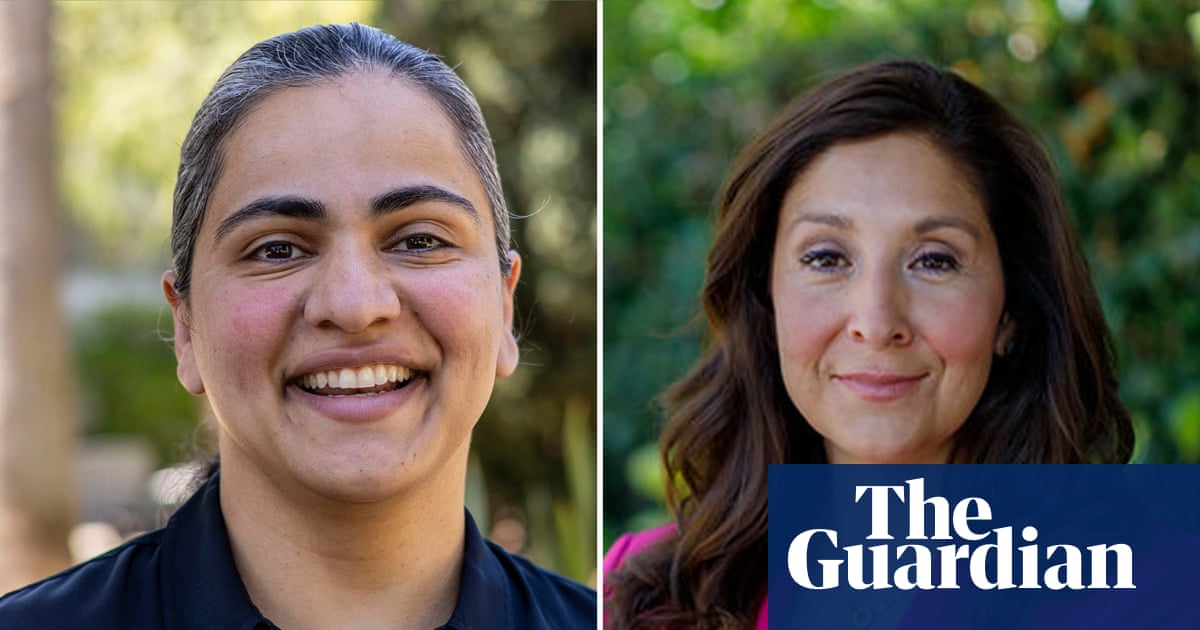
Imagine a game of musical chairs, but instead of chairs, it’s a seat in the U.S. Congress. When the music stops—meaning a representative resigns—everyone scrambles to fill the spot. That’s exactly what’s happening right now in California’s 15th Congressional District, a stretch of the East Bay that includes cities like Dublin, Livermore, and parts of Contra Costa County.
The short version: A special election is underway to replace former Representative Eric Swalwell. The race has turned into a high-stakes showdown where outside groups have spent over $5 million in just a few weeks to influence the outcome.
New to these terms? Don’t worry—here’s the plain-English breakdown:
Think of it like a giant piggy bank that can collect unlimited money from individuals, corporations, unions, or other groups to spend on elections.
The catch: They cannot give money directly to a candidate or coordinate with their campaign. They have to operate "independently"—running their own ads, mailers, and outreach.
One of the largest and most influential pro-Israel lobbying groups in the U.S.
In recent years, AIPAC created its own Super PAC called United Democracy Project (UDP) to spend big in congressional races—especially Democratic primaries.
Fancy legal term for: "We’re spending money to help or hurt a candidate, but we’re not talking to their campaign about it."
Candidates legally cannot control these ads—even if the ads say exactly what the candidate would want.
| Source | Amount | Purpose |
|---|---|---|
| United Democracy Project (AIPAC’s Super PAC) | $1.2 million | Pro-Hernandez / Anti-Wahab ads |
| Bold America PAC (Heavily funded by UDP) | $2.1 million | Pro-Hernandez / Anti-Wahab ads |
| Total tracked by Track AIPAC | $4.4+ million | Supporting Hernandez |
| All outside spending (recent weeks) | $5+ million | Mostly attack ads against Wahab |
Sources: Politico and Track AIPAC reporting, August 2026
"You have to ask yourself, why? AIPAC is clearly not interested in having diverse voices at the table… They want a puppet they can control."
"Melissa does not control independent expenditures. No candidate does. That is the law, and she sees those ads when you see them." — Ajay Mohan, Campaign Manager
The Guardian contacted AIPAC for comment. No response was published at press time.
Can a handful of well-funded groups override local voters’ preferences?
Or do voters ultimately decide based on what they know about candidates?
IMPORTANT POINTS TO REMEMBER
- This is a SPECIAL ELECTION to finish Swalwell’s term + a regular November election for the next full term
- Runoff election coming later this month — Wahab vs. Hernandez, round two
- Swalwell resigned after multiple sexual assault allegations (not directly related to this race, but why the seat is open)
- Candidates legally CANNOT control Super PAC ads — even if the ads help them
- Wahab has won both earlier contests by 20+ points despite the spending
A special election fills the rest of the current term (ending January 2027). The regular November election chooses who serves the next full term (2027–2029). Same candidates, two separate votes.
They can try to influence them with ads and mailers. But voters still cast the ballots. In Michigan and so far in California, heavy spending hasn’t guaranteed victory.
AIPAC’s Super PAC backs candidates they view as pro-Israel and opposes those they see as critical of Israel. Wahab has been critical of Israeli policy; Hernandez has not. AIPAC also targets progressives more broadly.
Even without coordination, Super PACs run ads that echo a candidate’s message or attack their opponent. Candidates benefit from the free airtime/mailers—but legally must say "I didn’t approve this."
You do — if you live in California’s 15th District. The runoff is later this month; the general is in November. All the money in the world doesn’t vote. People do.
Want to learn more? Check your voter registration, research both candidates’ actual records, and talk to neighbors. The best antidote to outside money is an informed vote.