11
11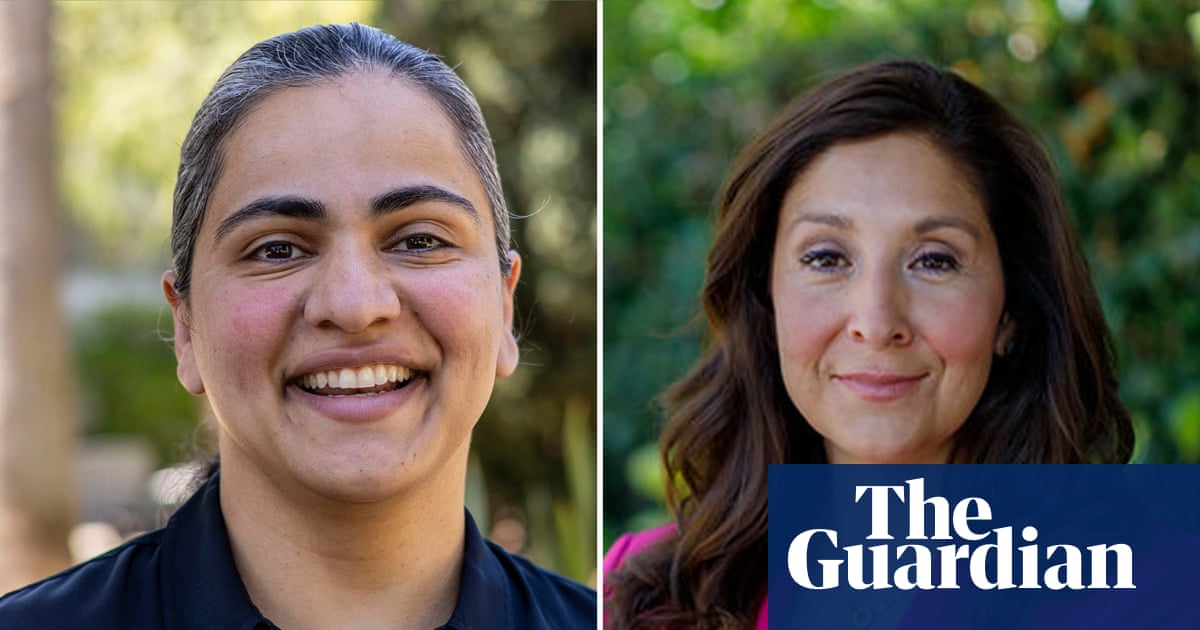
Imagine a race for a seat in Congress — the place where laws are made for the whole country. Now imagine that outside groups from far away are spending millions of dollars to pick the winner before voters even get a say.
That’s exactly what’s happening right now in a California congressional district covering the East Bay area (cities like Dublin, Livermore, and parts of Contra Costa County).
| Key Event | What Happened |
|---|---|
| Longtime representative leaves | Eric Swalwell held this seat for over 10 years. He resigned earlier this year after multiple sexual assault allegations. |
| Special election called | California needs someone to finish Swalwell’s term and someone for the next full term starting in January. |
| Primary election (June) | Two Democrats emerged as top vote-getters: Aisha Wahab and Melissa Hernandez. |
| Runoff coming up | They’ll face off again later this month for the short term, then again in November for the full two-year term. |
IMPORTANT: What Is a Super PAC?
A Super PAC (Political Action Committee) is a group that can raise and spend unlimited amounts of money to support or attack political candidates — as long as they don’t directly coordinate with the candidate’s official campaign. They’re like "outside teams" playing in the game without wearing the team jersey.
| Super PAC | Amount Spent | Backed By | Supporting |
|---|---|---|---|
| United Democracy Project | $1.2 million | AIPAC | Melissa Hernandez |
| Bold America PAC | $2.1 million | United Democracy Project (AIPAC) | Melissa Hernandez |
| Other AIPAC-linked spending | $4.4+ million total | AIPAC directly | Melissa Hernandez |
| TOTAL outside spending | $5+ million | — | — |
AIPAC (American Israel Public Affairs Committee) is one of the largest and most powerful lobbying groups in the United States. Their main goal: support strong U.S.-Israel relations.
Wahab says she’s facing a "barrage of attack ads" that misrepresent her record — especially on public safety.
"You have to ask yourself, why? AIPAC is clearly not interested in having diverse voices at the table… They want a puppet they can control."
— Aisha Wahab
Hernandez’s campaign manager, Ajay Mohan, says:
"Melissa does not control independent expenditures. No candidate does. That is the law, and she sees those ads when you see them."
He adds that Hernandez is "laser focused on lowering the costs of housing and health care, and supporting strong public safety — just as she did as Mayor."
The Guardian has reached out to AIPAC for comment.
A: No — by law, Super PACs must operate independently. They can’t strategize with the candidate’s official campaign. But in practice, they often run ads that perfectly align with the candidate’s messaging.
A: AIPAC wants to elect candidates who support its vision of U.S.-Israel policy. Since most of these districts are safely Democratic (the Democrat will win in November), the primary is the real election. Spending there gets more "bang for the buck."
A: No. AIPAC supports candidates of any background who align with its policy positions. Neither Wahab nor Hernandez is Jewish. This is about policy alignment, not identity.
A: It would signal that grassroots support and local endorsements can overcome massive outside money — a major story for the progressive movement and a potential warning sign for AIPAC’s strategy.
A:
Democracy works best when voters decide — not when the loudest wallet wins.
This race is a real-time case study in how modern elections work: outside groups with millions can flood the airwaves, but they can’t cast ballots. In the coming weeks, East Bay voters will have the final say.
Stay informed. Ask who’s paying for the ads you see. And most importantly — vote.