 11
11
ELI5 Alert: This article explains TV show stuff like you’re 5 years old. No fancy words without explanations!
Did you know there’s an unofficial rule for really good TV shows?
| Episode Type | Job |
|---|---|
| Penultimate (that’s a fancy word for "second-to-last") | Make a BIG MESS — surprises, deaths, twists! |
| Finale (the very last one) | Clean up the mess — answer questions, wrap things up |
This happens a lot in limited series (shows planned to end after one season) or shows that don’t know if they’ll get renewed.
Good news: HBO’s show "Task" followed this rule perfectly!
IMPORTANT POINT: The show was originally thought to be a "limited series" (one-and-done). But because it got renewed for Season 2, it’s now officially a drama series — meaning more stories ahead!
| Problem | Details |
|---|---|
| Adopted son Ethan | In prison for murdering Tom’s wife, Susan |
| Ethan’s condition | Disruptive Mood Dysregulation Disorder (big words = severe mood/anger issues he can’t control) |
| Tom’s impossible choice | Forgive Ethan & fight for a lighter sentence? Or let him stay in prison for life? |
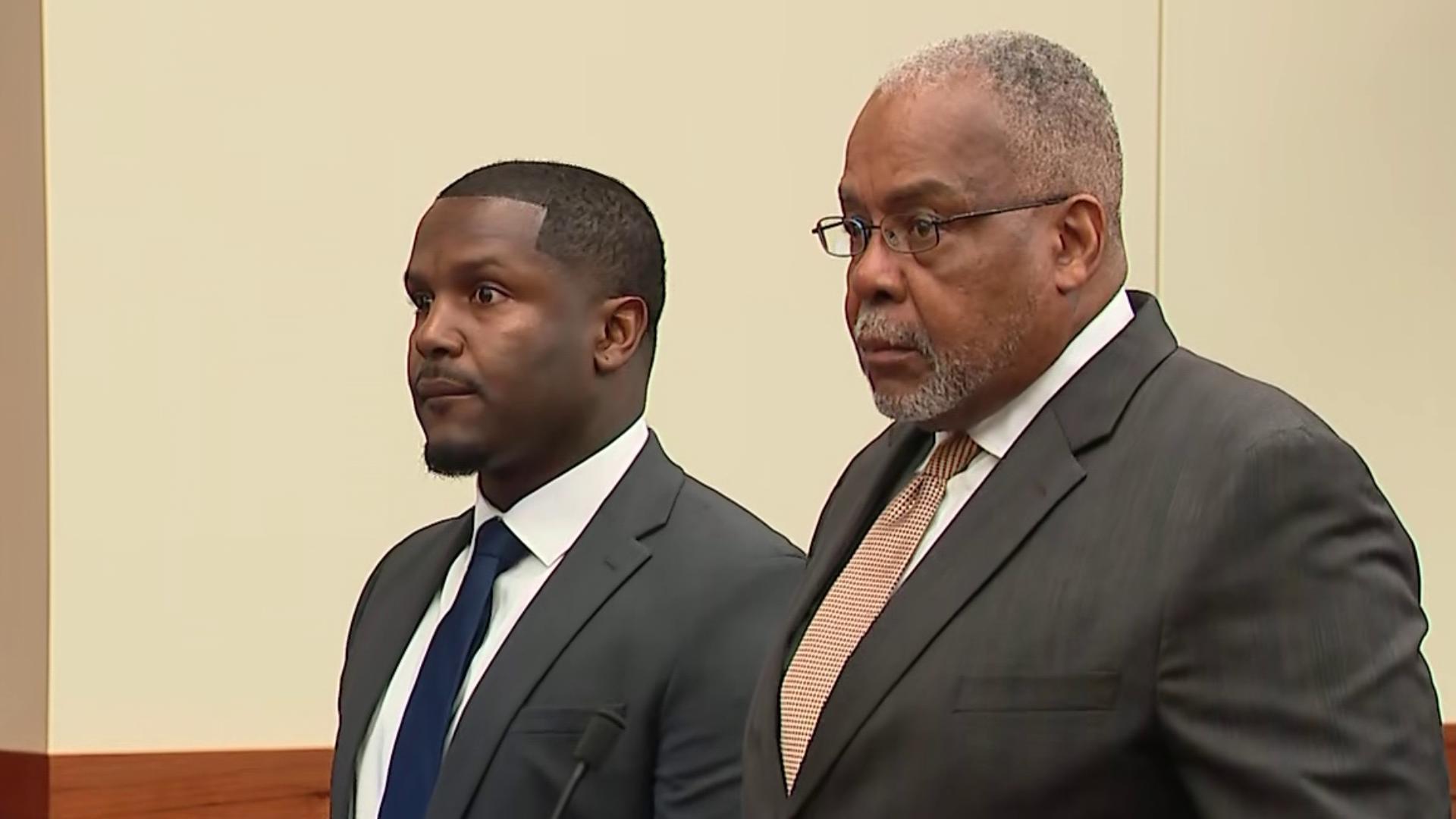
BEHIND THE SCENES: Ruffalo nailed it in only 2–3 takes! They started with close-ups (tight shots on his face), then did wider shots. But they kept mostly the close-ups in the final cut because it felt more honest and emotional.
The monologue went through many rewrites — started at 3 whole pages, got trimmed down to the raw truth.
Ingelsby (the creator) explains his secret recipe:
Lead with the HARD stuff
INGELSBY’S RULE: "If we allow those harsh things to lead, the audience feels it’s honest. Then when we transition to joy, that feels honest too."
Tom isn’t just any guy — he’s a former priest. People expect priests to:
But here’s the twist: When tragedy hits his own family, Tom is completely lost
Ingelsby based Tom on his own uncle (a former priest!) who loves this quote:
"We are closer to God when we are asking questions than when we think we have the answers."
— Abraham Joshua Heschel (rabbi & philosopher)
Translation: It’s okay not to know everything. Asking questions = being human.
This isn’t Ingelsby’s first time writing about this stuff.
Ingelsby didn’t just make this up — he lived it.
"We don’t get to hear about those people… I’m just interested in being able to use this medium to tell a story about a group of people that often aren’t illuminated in that way and do it with a lot of empathy and care."
Translation: He wants to shine a light on families dealing with mental health struggles — with kindness, not judgment.
| What Happened | Why It Matters |
|---|---|
| Quiet episode after chaotic one | Follows the "prestige TV rule" perfectly |
| Ruffalo’s monologue = emotional core | Shows a father’s impossible choice with brutal honesty |
| Filmed with care (full day, mostly close-ups) | Proves the creators knew this was THE moment |
| Based on real families’ experiences | Not Hollywood fantasy — real pain, real love |
| Sets up Season 2 with a clean slate | Tom’s decision opens NEW stories, not just endings |
| Ingelsby’s personal mission continues | Using TV to give voice to unseen families |
It’s an HBO drama where Mark Ruffalo plays a former priest turned FBI boss investigating crimes in rural Pennsylvania — while his personal life falls apart because his adopted son (who has a severe mood disorder) killed his wife.
It’s the "cleanup" episode where the action stops and the real talking starts. Ruffalo’s 3-page monologue (filmed in one whole day!) is the emotional center of the entire season.
Think of it like extreme, uncontrollable mood swings in kids — way beyond normal tantrums. Ethan couldn’t control his reactions, which led to the tragedy. It’s a real diagnosis, not a made-up TV thing.
Not exactly — but creator Brad Ingelsby researched real parents on message boards and drew from his own family’s experience. The emotions are 100% real.
YES! HBO renewed it. Episode 7’s ending — where Tom chooses not to let Ethan’s disorder define him — sets up a totally fresh start for new stories.
"Task" Episode 7 reminds us that the quietest moments can be the loudest. A father sitting in a courtroom, admitting he was exhausted and embarrassed — but also full of love — does more than any explosion ever could.
Sometimes the bravest thing isn’t fixing the mess. It’s sitting in it, telling the truth, and choosing hope anyway.
Want more TV deep-dives explained simply? Stay tuned!