 11
11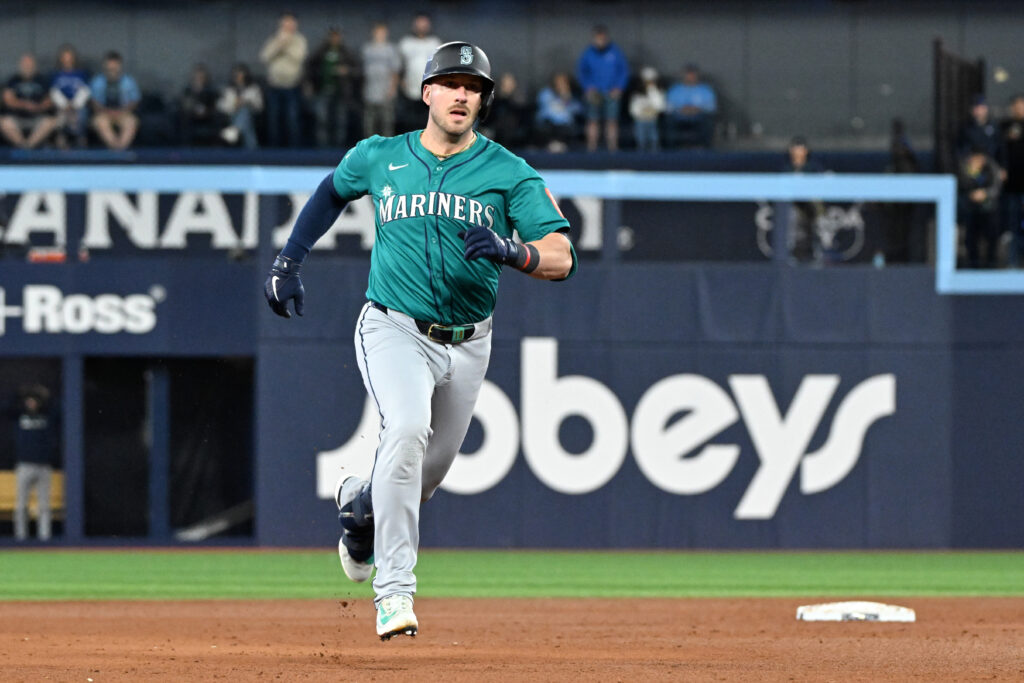
The New York Yankees have added some experienced depth behind the plate. On August 7, 2026, the team agreed to a minor league contract with 35-year-old catcher Mitch Garver. Here’s the quick rundown:
Important Point: A minor league deal is a low-risk, "prove-it" contract. The Yankees don’t owe Garver a spot on the major league roster — he has to earn it with his performance in Triple-A.
Think of Garver as a "bat-first" catcher — his main value comes from hitting, not defense. At 35, he’s a veteran who’s seen both the highs and lows of big league baseball.
Quick Facts:
From 2019 to 2023, Garver was one of the best-hitting catchers in baseball. Over 1,242 plate appearances:
| Stat | Number | What It Means |
|---|---|---|
| Home Runs | 75 | Elite power for a catcher |
| Batting Line | .250/.346/.508 | Great average, on-base, and slugging |
| Walk Rate | 11.8% | Patient hitter, draws walks |
| Strikeout Rate | 26.6% | Swings and misses a fair amount |
| wRC+ | 131 | 31% better than league average |
ELI5 – What is wRC+?
It stands for Weighted Runs Created Plus. 100 = exactly average. Garver’s 131 means he created 31% more runs than a typical hitter. For a catcher — a position where offense is usually worse than average — that’s superstar-level production.
Since the start of 2024, things have gone downhill:
Bottom line: The power and contact that made him special have largely disappeared.
The Yankees’ starting catcher, Austin Wells, is having a terrible offensive season:
Important Point: General Manager Brian Cashman publicly admitted the catcher position has become an issue. The Yankees tried to trade for help at the deadline but came up empty.
The Yankees aggressively pursued a right-handed hitting catcher before the July 31 deadline. Their top targets:
Result: Yankees stood pat at the deadline. Now they’re looking internally and at free agents like Garver.
Right now, Ali Sánchez is Wells’ primary backup:
The problem: Sánchez doesn’t solve the "righty bat vs. lefty pitchers" need.
Even in his down years, Garver still hits lefties decently:
Possible roles for Garver:
Reality Check: Garver must hit in Triple-A first. The opt-out means he’ll leave if not called up soon. Yankees have all the leverage.
| What We Know | What We Don’t Know |
|---|---|
| Yankees signed Garver to minors deal | Will he hit well enough in Triple-A? |
| Opt-out clause gives him leverage | Will Yankees actually call him up? |
| Wells struggling badly at plate | Can Garver still catch at MLB level? |
| Garver historically crushes lefties | Is this a short-term fix or long shot? |
| Low risk, potential high reward | How does clubhouse dynamic work? |
The Big Picture: This is a classic "lottery ticket" signing. Costs almost nothing. If Garver finds 2019–2023 form → huge steal. If not → zero harm done. With Wells scuffling and no trade deadline help, the Yankees needed some right-handed catching option. Garver is that option — if he can still hit.
No. A minor league contract means he plays for the Yankees’ Triple-A team (Scranton/Wilkes-Barre). He’s not on the 40-man roster and not in the big leagues — yet. He has to earn a promotion.
It’s a date in the contract where Garver can say, "If I’m not in the majors by now, I’m leaving." It protects veterans from languishing in the minors. If he’s hitting well and Yankees don’t call him up, he can sign elsewhere.
Sánchez is a lefty hitter like Wells. The Yankees want a righty bat to face left-handed pitchers (platoon advantage). Garver — even in a down year — has been league-average vs. lefties (101 wRC+). That specific skill is what they’re chasing.
He’s not a good defender — below average at framing, blocking, and throwing. At 35, he’s best as a DH or emergency catcher. The Yankees likely view him as a part-time player vs. lefties, not an everyday catcher.
No. Wells is still the primary starter. The Yankees like his defense and game-calling. This move is about supporting him — giving him rest vs. tough lefties and having a safety net if he continues to struggle or gets injured.