 11
11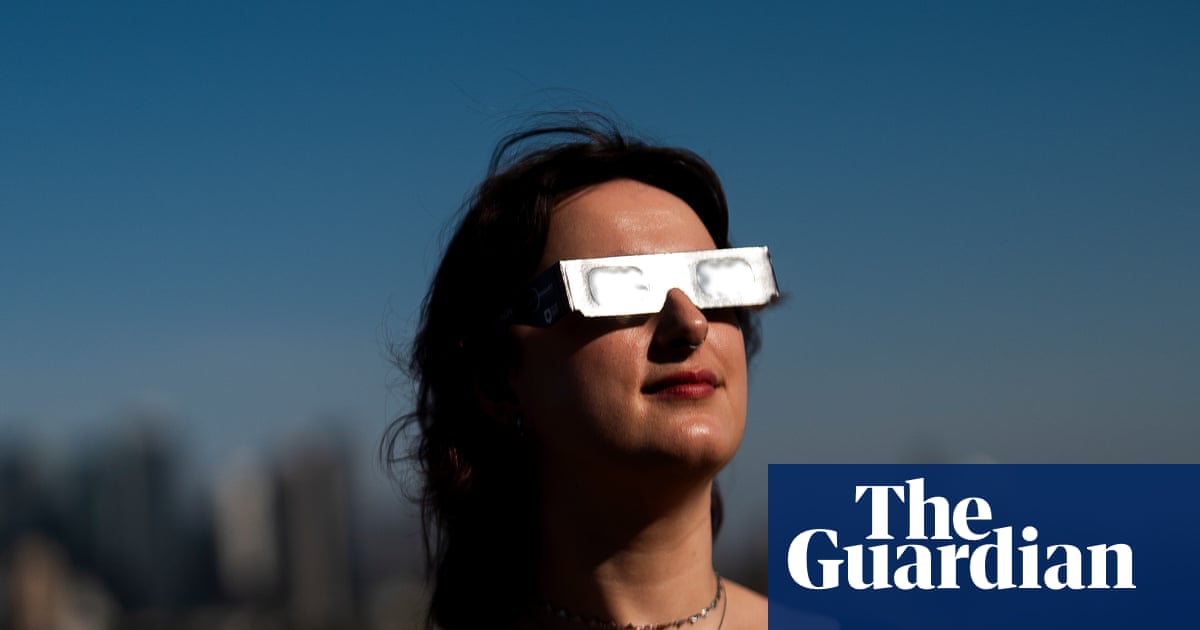
For the first time this century, people across the UK will witness an almost total solar eclipse on Wednesday evening. This is a rare celestial event where the Moon slides between the Sun and Earth, blocking most of the Sun’s light.
Why This Is a Big Deal
- The last time the UK saw this much coverage was 1999 (27 years ago!)
- The next chance won’t come until 2081 (55 years from now)
- Most of the UK will see 90–96% of the Sun covered
- It happens in the early evening – perfect timing for viewing
The further west you are, the more of the Sun disappears. Here’s what to expect in major cities:
| Location | Sun Coverage |
|---|---|
| Plymouth | 95% |
| Cardiff | 93.2% |
| Belfast | 93.1% |
| Manchester | 91.9% |
| London | 91.4% |
| Edinburgh | 90.7% |
| Newcastle | 90.2% |
| Shetland | 88% (lowest in UK) |
Pro Tip from Astronomers
Even small differences in percentage "will still be impressive sights." The key is finding a high spot with a clear view to the west – think hills, rooftops, or open fields.
The eclipse starts at slightly different times across the UK, moving from north to south:
Maximum eclipse occurs roughly one hour after start time, and everything wraps up around 8:00 PM.
Since it’s August, there’s a good chance of clear skies – but it’s not guaranteed.
Astronomer Catherine Heymans’ Plan
"I’m ready to hop on a train north, south, east or west to find some cloud-free skies."
This is the most important part of this guide.
During an eclipse, the Sun looks dimmer, so your eyes don’t hurt when you stare at it. But invisible solar radiation still burns your retina – often painlessly. You won’t know damage happened until it’s too late.
Real Consequence
After the 1999 eclipse, ~70 people reported vision problems to the Royal College of Ophthalmologists.
Must-have features:
No special equipment needed!
"It can put the vast scales of the solar system into some kind of perspective."
– Sarah Crowther, University of Manchester astronomer
Many people feel a profound sense of awe – a reminder of our place in the cosmos.
| What | When | Where | How |
|---|---|---|---|
| 90–96% Solar Eclipse | Wednesday evening | Across UK (best in west) | Certified glasses ONLY or indirect projection |
| Starts ~6:08–6:18 PM | Max ~1 hour later | Ends ~8:00 PM | Check weather, find high ground, protect eyes |
This is a once-in-a-generation event. With proper preparation and safety gear, you’ll witness something truly unforgettable – and join millions across the UK sharing the same moment of wonder.
No. Pointing your phone at the Sun can damage the sensor. More importantly, looking at the screen while aiming it at the Sun means you’re still looking at the Sun. Use your phone only during totality (which the UK won’t get) or to photograph the projected image from a pinhole viewer.
Only if they’re Shade 14 or darker. Most welding goggles are Shade 8–12 – not dark enough. Unless you’re certain they’re Shade 14+, don’t risk it. Stick to ISO-certified eclipse glasses.
Clouds block the view – but thin clouds might still let you see the dimming. If thick clouds are forecast, travel to a clearer area (check Met Office cloud cover maps). Even partial viewing is better than nothing!
Yes, with strict supervision. Kids’ eyes are more vulnerable. Ensure they:
No. The UK gets 90–96% coverage – a "deep partial" eclipse. It will dim significantly (like heavy storm clouds), but not turn to night. Only Greenland, Iceland, and northern Spain get totality (100% coverage) this time.