11
11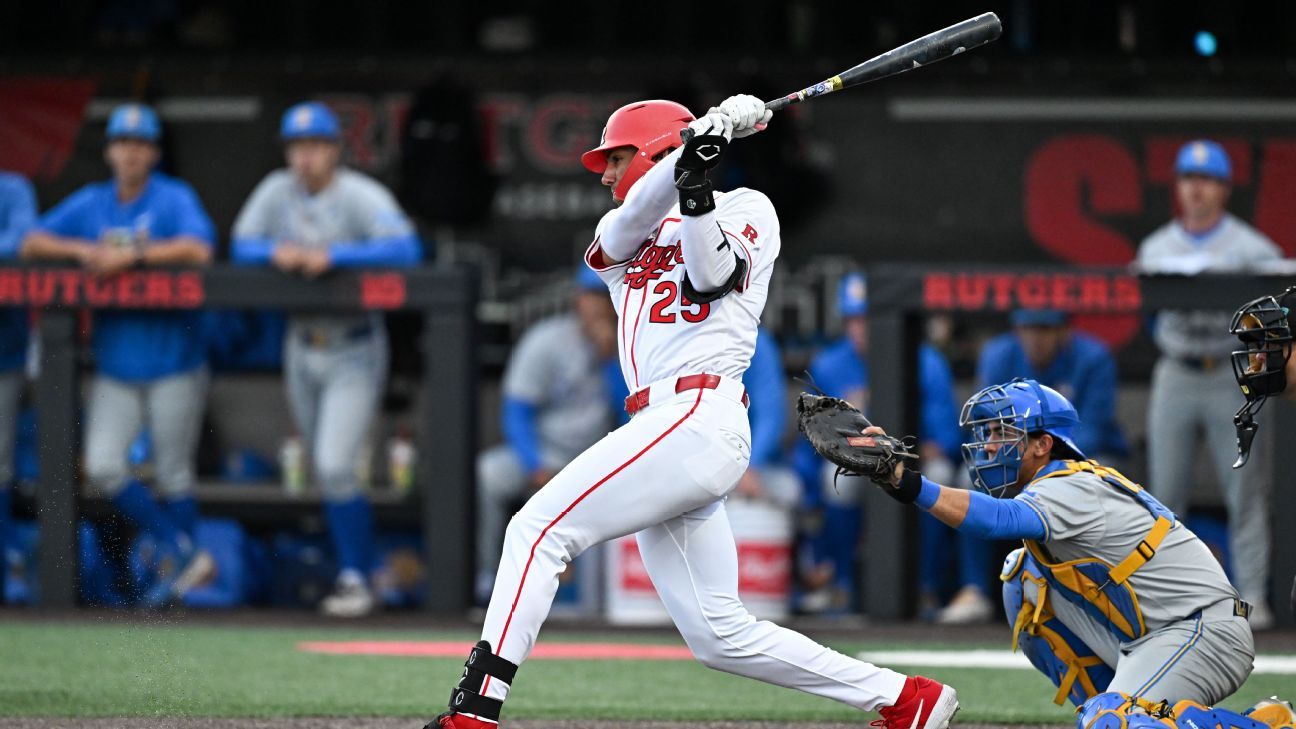
By Kiley McDaniel, ESPN MLB Insider (July 11, 2026). Kiley covers MLB prospects, the MLB Draft, trades, and free agency. She has worked for three MLB teams and co-authored the book "Future Value."
On Saturday, the San Francisco Giants (a big-league baseball team) chose a player named Peyton Bonds in the third round (the 90th pick overall) of the MLB draft. Think of the draft like a big schoolyard pick where teams take turns choosing the best young players.
If you hear the last name "Bonds" and the team "Giants," you might think of a famous baseball player. You’re mostly right!
Peyton isn’t just any player—he comes from a family that knows baseball really well. Here’s a simple list of his relatives:
Important Point: Even though his family is famous, the Giants didn’t pick him just because of his name. This wasn’t a "give my nephew a job" situation (called nepotism)!
Some might worry this was a favor to the family. But the evidence shows Peyton is the real deal:
Let’s look at what makes him good, using simple terms:
Callout: Even with a tendency to chase bad pitches, his power and ability to make contact make him a smart third-round pick!
To wrap it up: The San Francisco Giants selected Peyton Bonds in the third round of the 2026 MLB draft. He is the nephew of Barry Bonds and comes from a baseball-loving family, but he earned his spot with real skills—great power, good contact, and decent speed. He played college ball at Campbell and Rutgers, showing solid hitting numbers. While he sometimes swings at pitches he shouldn’t, his talent matches his draft position. Fans should be excited to see if he can follow his family’s footsteps in the big leagues!
1. Is Peyton Bonds related to Barry Bonds?
Yes! Peyton is Barry Bonds’ nephew. Barry is the all-time home run king and a seven-time MVP.
2. Did the Giants pick Peyton just because of his famous last name?
No. Experts had him ranked as the 115th best player, and his college stats and power show he is a legitimate prospect. The pick was appropriate for the round.
3. What does "exit velocity" mean?
It’s a simple way to say how fast the baseball flies after the batter hits it. Peyton’s was over 120 mph with a metal bat—that’s super fast!
4. What is a "chase rate" and why is 39% not great?
Chase rate is how often a hitter swings at balls thrown outside the strike zone (the good area to hit). A 39% rate means he swings at bad pitches more than most players, which can lead to outs.
5. Where did Peyton Bonds play before the draft?
He played college baseball at Campbell in 2024, then transferred to Rutgers for the 2025 and 2026 seasons.