Arizona Monsoon Awakens: Storm Chances, Temps Drop!
Arizona Weather and Safety: A Super Simple Guide
Welcome! This is a friendly, easy-to-understand summary of a weather report and safety tips for Arizona. We’ll explain everything like you’re 5 years old, but keep all the important facts.
What Happened on Monday and Tonight
On Monday, the temperature in Arizona was about what it usually is for this time of year. In the afternoon, some rain storms with thunder and lightning popped up in the mountains.
- In northern Arizona, heavy storms caused flash flood warnings (that means water can rise very fast and be dangerous). These warnings were set to stop later in the evening.
- Near the towns of Florence and Kearny, at 5:30 PM, strong thunderstorms moved through. They brought:
- Wind gusts up to 60 mph (that’s like a very strong fan blowing super fast!)
- Small hail (tiny ice balls)
- Heavy rain
- Lightning
Tonight (the same day as the report):
- Storms might happen in the “Valley” (that’s the Phoenix area, also called the Valley of the Sun) during the evening.
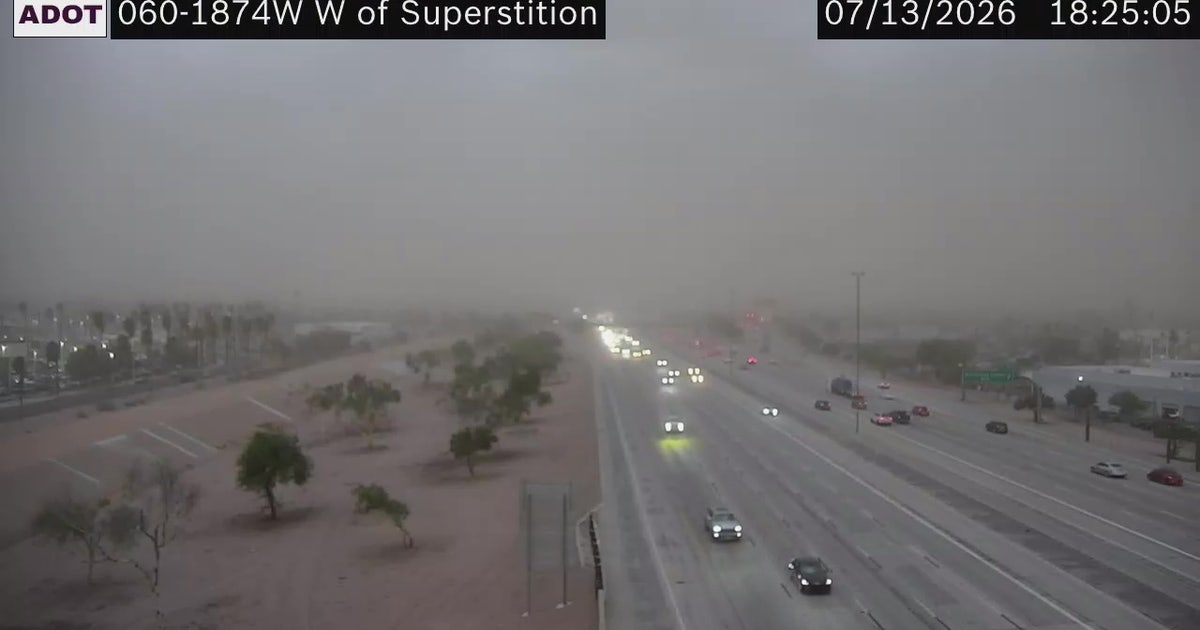
- They could bring strong winds, small hail, and maybe a dust storm (a big cloud of blowing dirt).
- All storms should finish by around 10 PM in the Valley and everywhere else in Arizona.
Important: If you hear a flash flood warning, it means water can appear suddenly. Never play or drive in fast-moving water!
Tomorrow (Tuesday) and the Rest of the Week
Tuesday:
- Skies will become clear overnight.
- Tuesday morning will be sunny with temperatures in the upper 80s°F (about 27–31°C) in the Valley.
- By 2 PM, storms will start building over the mountains.
- Those storms will move toward the southwest during the afternoon and evening.
- More flash flooding is likely in the mountains.
- Strong winds, lightning, and blowing dust can happen with these storms.
Looking Ahead (Wednesday through Sunday):
- The same pattern will repeat each day.
- The most storms across the state will probably be on Thursday and Friday.
- Temperatures will slowly go down by the end of the week:
- Valley daytime highs: low 100s°F (about 38°C)
- Nighttime lows: 80s°F (about 27–31°C)
A video attached to the original report was titled “Chance for rain throughout the week for AZ.” Its description said: “Parts of the state could see rain throughout the week, and we are also expecting double-digit temperatures later on this week.” (The written forecast above says low 100s, which are three‑digit numbers, but we are keeping both pieces of info exactly as given.)
How to Stay Updated on the Weather
You can always check the latest weather by:
- Visiting the FOX 10 Phoenix weather page
- Downloading the free FOX 10 Weather app for Apple iOS or Android
The original article also has pictures and tools you can scroll to, like satellite maps, a day planner, temperature records, current temps, a 10‑day forecast, and rainfall totals.
Understanding Heat Emergencies (From Scottsdale Fire Department)
When it gets very hot, our bodies can get sick. Here are three levels:
- Heat Cramps: Lots of sweating, feeling very tired, being super thirsty, and having muscle cramps (muscles squeezing painfully).
- Heat Exhaustion: Headache, feeling dizzy, weak, sick to stomach (nausea or throwing up), and skin that feels cool and wet.
- Heat Stroke (very serious): Body temperature goes above 103°F (39°C), acting confused or silly, skin dry and hot, fast shallow breathing, fast weak heartbeat (like going into shock), seizures (body shaking), or passing out.
What to Do if Someone Gets Too Hot (Numbered Steps)
- Get the person into shade or a cool place.
- Cool them with cool, wet cloths on the neck, groin, armpits, and head, and fan their body.
- If they are awake and alert, let them sip cool water.
- For muscle cramps, gently but firmly massage the muscles until they relax.
- If symptoms get worse, call 911 right away.
What NOT to Do
- Do not give food or water by mouth if the person is throwing up, can’t swallow, or is unconscious.
- Do not think a heat emergency is no big deal—it can be very dangerous.
- (Also, plan ahead before hiking or exercising in heat—see below.)
Know Your Limitations Before Hiking or Playing Outside
- Hydrate: Drink water starting the day before, one hour before, during, and after.
- Wear light‑weight, light‑colored clothes; protect your head; wear good shoes.
- Always carry a cell phone and try to go with a friend.
- Always tell someone where you’re going and when you’ll be back.
How to Prevent Heat Exhaustion or Heat Stroke (Arizona Health Dept)
The Arizona Department of Health Services suggests:
- Stay in air‑conditioned buildings.
- Find a cooling center or hydration station.
- Limit outdoor activity during the hottest part of the day (mid‑day).
- Check on friends, family, and neighbors who are at risk at least twice a day.
- Drink water before, during, and after working or exercising outside.
- Check the UV Index (a number that tells how strong the sun is).
- Check the heat risk map.
Road Conditions
If you need to know about roads:
- Call 511 anywhere in Arizona
- Or call 1‑888‑411‑ROAD (7623)
Rain and Flood Safety Tips (American Red Cross)
- Turn around, don’t drown! If you must drive and see a flooded road, turn around and go another way.
- If you are stuck in a car with quickly rising water, get out fast and go to higher ground.
- Listen to local radio, NOAA radio (a weather radio), or news for updates.
- If your area floods often, be ready to leave quickly.
- Follow evacuation orders; don’t go back until officials say it’s safe.
- If power lines are down, don’t step in puddles or standing water.
- If the power is out, use a flashlight. Don’t use candles or open flames.
Get Ready for a Big Thunderstorm (American Red Cross)
- Put together an emergency kit (supplies box).
- Know your community’s evacuation plan.
- Make a household disaster plan and practice it.
- Buy a battery‑powered or hand‑crank radio.
- Talk with your family about thunderstorm safety; remember storms can cause floods.
- Pick a safe room in your home with no windows, skylights, or glass doors to gather during the storm.
Be Prepared During the Monsoon (Glendale Fire Department)
A “monsoon” is a season when big storms with wind, dust, rain, and flash floods come quickly. Captain Ashley Losch says these storms can cut off water, power, and gas.
The Glendale Fire Department reminds you to:
- Have flashlights with extra batteries.
- Have food that doesn’t need cooking or a fridge.
- Have at least one gallon of clean water for each person.
- Have backup power for medical devices.
- Have backup power for cell phones that doesn’t need charging.
- Keep a first aid kit ready.
- Never drive into flowing water – less than 10 inches (about 25 cm) can wash a car away!
- Avoid flooded areas like washes (dry river beds that fill with water).
- If water is rising, go to higher ground.
- Don’t go near downed power lines – the ground can be electrified up to 200 feet (about 60 meters) around them.
- Keep pets indoors during storms.
Callout: Stay Safe! A dust storm or flash flood can happen in minutes. Always have a plan and listen to weather alerts.
Summary
- Monday had normal temps and mountain storms; northern AZ had flash flood warnings; Florence/Kearny had severe storms at 5:30 PM.
- Tonight: possible Valley storms with wind/hail/dust, ending by 10 PM.
- Tuesday: sunny start, upper 80s, mountain storms by 2 PM moving southwest.
- Thu/Fri: most storms this week; temps drop to low 100s daytime, 80s at night.
- Heat sickness has three levels; cool the person, give water if awake, call 911 if worse.
- Prevent heat illness by staying cool, drinking water, checking on others.
- For floods: turn around, don’t drown. For thunderstorms: have kits and safe rooms.
- Monsoon prep: water, lights, no driving in water, avoid power lines.
- Get updates from FOX 10 Phoenix weather page or app.
Source: Information gathered by the FOX 10 Weather Experts.
FAQ
1. What is “the Valley” in Arizona?
It’s the Phoenix metropolitan area, often called the Valley of the Sun.
2. What is a flash flood?
It’s when water rises very fast after heavy rain, often in normally dry areas, and it can be deadly.
3. How can I avoid getting sick from the heat?
Drink water a lot, stay in cool places, wear light clothes, and check on others. If someone feels weird from heat, cool them and call 911 if bad.
4. What should I do if I see a flooded road while driving?
Turn around and find another way. Never drive into moving water—your car can be swept away with only 10 inches of flow.
5. Where can I check the latest Arizona weather?
Visit the FOX 10 Phoenix weather page or download the free FOX 10 Weather app on your phone.