 11
11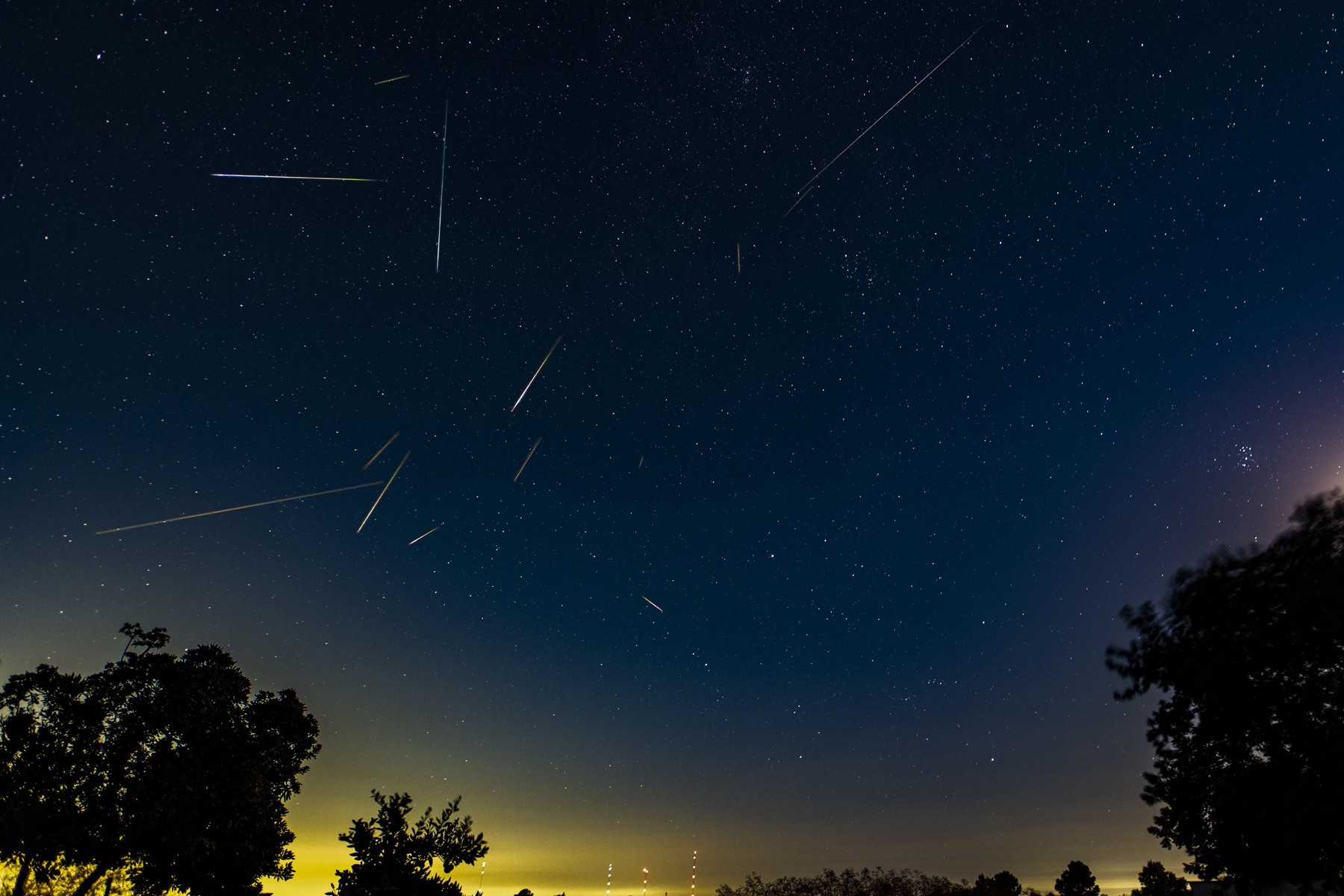
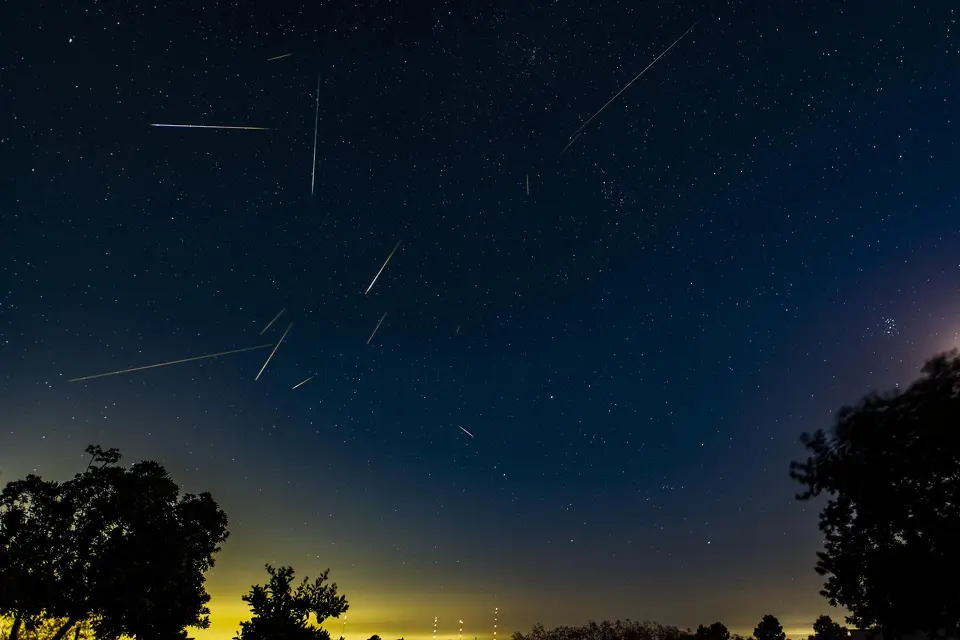
Photo: The Perseid meteor shower over the Bay Area in 2020. Credit: Rick Taft
Imagine Earth driving through a cosmic dust trail left behind by a comet. That’s exactly what happens every August! The Perseid meteor shower happens when our planet passes through debris left by Comet Swift-Tuttle. As tiny bits of rock and dust (most no bigger than a grain of sand) slam into Earth’s atmosphere at incredible speeds, they burn up and create brilliant streaks of light — what we call "shooting stars" or meteors.
KEY FACT: The shower is named after the constellation Perseus because the meteors appear to radiate from that part of the sky — but they can flash anywhere overhead!
IMPORTANT: Two weather systems may block the show for many Bay Area viewers:
| Weather Issue | Where It Hits | When | Elevation Affected |
|---|---|---|---|
| Marine Layer Fog | Coast, beaches, coastal valleys | Tue & Wed nights | Up to 1,500 ft (Tue), 2,000+ ft (Wed) |
| Monsoon Moisture | Santa Cruz Mountains, Diablo Range | Wed predawn | Mid-to-high elevations |
Problem spots: Panoramic Highway (Marin), Skyline Boulevard (San Mateo), Pacific beaches — likely overcast after dark.
Better bets: Inland areas away from the coast — but even there, monsoon clouds may linger until late Wednesday.
Follow these steps for the best experience:
PRO TIP: Check satellite and radar maps right before you head out to find cloud gaps!
| Location | Why It’s Great | Notes |
|---|---|---|
| Mount Diablo (Contra Costa) | High elevation, popular stargazing site | Check gate hours |
| Lassen Volcanic National Park | "One of the last sanctuaries of natural darkness" (NPS) | 4-hour drive from SF — plan ahead! |
| Event | Location | Time | Cost |
|---|---|---|---|
| Chabot Space & Science Center | Oakland (Skyline Blvd) | Wed 11 PM – Thu 3 AM | $15 adults / $7 kids / Free for members |
| Robert Ferguson Observatory | Sugarloaf Ridge State Park (North Bay) | Wed night | Advance paid registration required |
| Lawrence Hall of Science | Berkeley | Wed night | $27 |
The Perseids are active through August 24, but activity drops off sharply after the peak early Thursday morning. If you miss the peak, you might still catch a few stragglers on subsequent nights — just don’t expect 50 per hour!
Pick your spot — Inland, dark, high elevation if possible
Check weather — Satellite/radar before you go
Arrive early — Set up, let eyes adjust
Look up & relax — No telescope needed!
Stay warm & patient — The universe puts on a show on its own schedule
Nope! In fact, they’re bad for meteor watching. Meteors zip across huge chunks of sky — you want your naked eye’s wide field of view.
They appear to radiate from the constellation Perseus (the hero from Greek mythology). But you don’t need to find Perseus — just look up!
Check radar/satellite for breaks in the clouds. Sometimes a 20-minute clearing is all you need! Or try again the next night — activity tapers but continues.
Absolutely. The particles burn up 50+ miles up. Zero danger. Just watch for cars if you’re on a roadside!
Modern phones can catch bright fireballs with night mode + tripod + patience. But honestly? Put the phone down and enjoy the show. Memories > mediocre photos.
Article based on reporting from the San Francisco Chronicle. Happy stargazing!