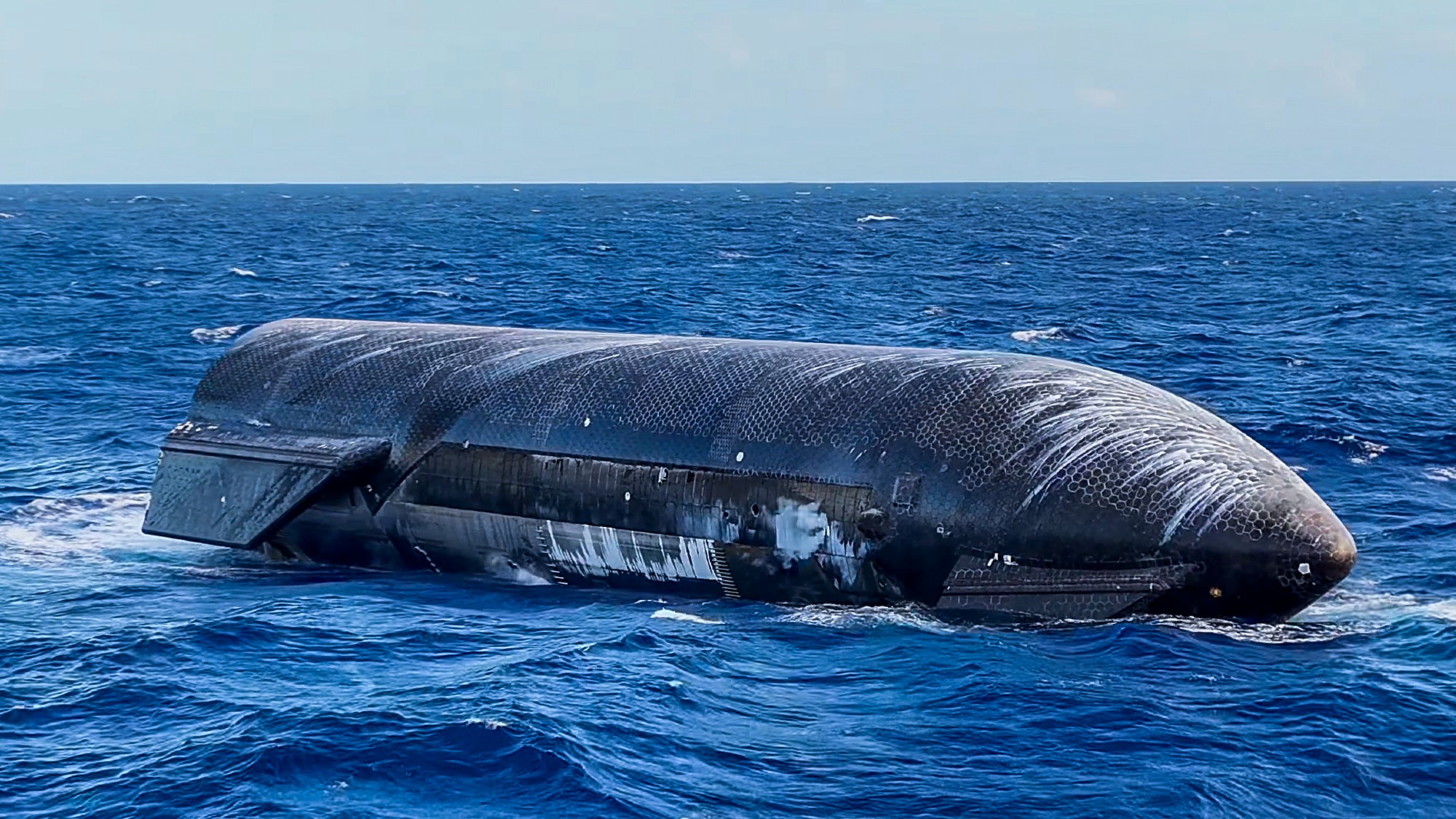
Unreal: SpaceX Starship Still Floating 5 Days After Flight
SpaceX’s Giant Starship Rocket Is Floating in the Ocean Like a Big Metal Whale
What Happened?
Imagine a skyscraper that can fly to space, then come back down and float on the ocean like a giant rubber duck. That’s basically what SpaceX just did with their Starship Version 3 (V3) rocket!
The Cool Photo: On July 28, 2026, SpaceX shared a picture showing their massive rocket floating peacefully in the Indian Ocean off the coast of Western Australia. It had been there for four whole days since its splashdown on July 24.
Meet the Rocket: Starship V3
Here are the vital stats for this space giant:
- Total Height: 408 feet (124 meters) — that’s taller than the Statue of Liberty!
- Upper Stage (the part that floated): 171 feet (52 meters) long
- Nickname in the Photo: Looks like an orca whale or a submarine with its black, scorch-marked body and wing-like fins (called "canards")
- Flight Name: Flight Test 13
Why Is This a Big Deal?
1. The "Softest Splashdown Ever"
The rocket didn’t crash — it gently kissed the water. SpaceX said it was their smoothest ocean landing yet. The fact that it’s still floating days later proves the structure stayed strong and watertight.
2. It Did Its Job in Space
Before splashing down, the rocket:
- Flew on a suborbital trajectory (up to space, but not into orbit)
- Deployed next-gen Starlink satellites (internet satellites)
- Sent back incredible sci-fi-looking video from onboard cameras and the satellites themselves
3. The Ultimate Goal: Rapid Reusability
SpaceX wants to operate Starship like an airplane:
- Launch
- Land both pieces (booster + ship)
- Refuel & inspect
- Fly again in just days
Important Point: If they pull this off, spaceflight becomes way cheaper and faster — like airline travel, but for space!
The Two-Part Rocket System
Starship is actually two rockets stacked together:
| Part | Name | Job |
|---|---|---|
| Bottom (1st Stage) | Super Heavy Booster | 33 engines lift everything off the pad |
| Top (2nd Stage) | Starship (or "Ship") | Goes to space, carries cargo/people, comes back |
Confusingly, the whole system and the upper stage are both called "Starship." Think of it like a "Ford Ford" — the brand and the model share a name!
The Big Challenge Still Ahead: The Heat Shield
Even though the splashdown was perfect, there’s a major hurdle: The Heat Shield.
- When Starship falls back through Earth’s atmosphere, it hits blazing hot temperatures (thousands of degrees!)
- It needs special tiles to survive — like a spacesuit for the rocket
- Experts worry these tiles might be too fragile for rapid reuse
- Ars Technica called this a potential "dead-end for all missions that require full and rapid reusability"
Callout: Fixing the heat shield is the #1 puzzle SpaceX must solve before Starship can truly fly like an airplane.
Step-by-Step: What Happened on Flight Test 13
- Liftoff — July 24, 2026: 408-ft Starship V3 roars off the pad
- Stage Separation — Super Heavy booster drops away; Starship upper stage continues
- Satellite Deploy — Next-gen Starlink satellites released in space
- Reentry — Starship plunges through atmosphere, heat shield glowing
- Splashdown — Softest ocean landing yet in Indian Ocean
- Float Time — Rocket stays afloat for 4+ days (and counting!)
- Photo Op — SpaceX posts stunning pic on X (formerly Twitter) July 28
Summary
SpaceX’s Starship V3 just pulled off a historic soft splashdown and floated in the Indian Ocean for days — looking like a charred, futuristic whale. This proves the rocket can survive the violent return from space intact and watertight. It also successfully delivered Starlink satellites and captured jaw-dropping video.
But the real test ahead lies the hardest challenge: making the heat shield tough enough for rapid reuse. Until that’s solved, the dream of "airline-style" spaceflight remains just out of reach. Still — a floating, flight-proven Starship is a giant leap forward.
FAQ: Your Questions Answered
How big is Starship really?
It’s 408 feet tall — taller than a 35-story building, or the Statue of Liberty (305 ft). The part that floated is 171 feet long — about 15 stories.
Why land in the ocean instead of on land?
Ocean landings are safer for testing. If something goes wrong, no people or buildings are at risk. Later, SpaceX plans to catch the booster with "chopstick" arms at the launch tower and land the ship on a pad.
What are those wing-like things on the side?
Those are canards (small fins) — they help steer and stabilize the rocket during its fiery fall through the atmosphere.
How long until Starship carries people?
NASA has contracted Starship to land astronauts on the Moon (Artemis program) — targeting 2027 or later. But many test flights must succeed first.
Can I see the video from the flight?
Yes! SpaceX posted highlights showing the view from onboard the rocket and from the deployed Starlink satellites. It looks like a sci-fi movie — but it’s 100% real.