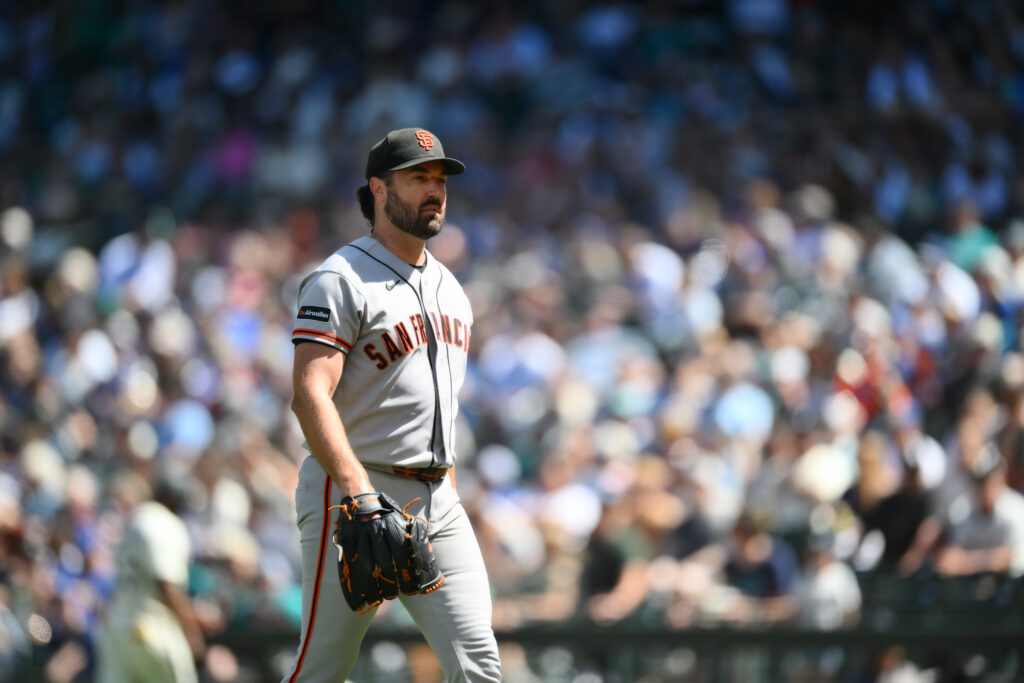
Giants Willing to Eat Millions to Trade Robbie Ray
Giants Gear Up for Trade Deadline Fire Sale: What You Need to Know
The Big Picture
Imagine your favorite baseball team is cleaning out the garage before a big move. They’re taking perfectly good items—players who can help other teams win right now—and trading them for future treasures: young, promising players (prospects) who might become stars down the road.
That’s exactly what the San Francisco Giants are doing right now. With the trade deadline just four days away, they’re all but guaranteed to move three key players who become free agents this winter.
Who’s on the Trading Block?
The "Big Three" Rentals
These players are rentals—teams only get them for the rest of this season before they hit free agency.
| Player | Position | Why He’s Valuable |
|---|---|---|
| Luis Arraez | Infielder | Elite contact hitter, batting title contender |
| Robbie Ray | Starting Pitcher | Former Cy Young winner, playoff experience |
| Tyler Mahle | Starting Pitcher | Solid mid-rotation arm when healthy |
The "Maybe" Guy
- JT Brubaker (Reliever) — The Giants would love to trade him too, but only if another team shows interest.
The Robbie Ray Situation: Complicated but Workable
IMPORTANT POINT
Robbie Ray’s contract is the elephant in the room. He’s owed $25 million this year, with about $8 million remaining (dropping to ~$7.4M after Monday’s deadline). That’s a lot of money for two months of a pitcher who’s no longer an ace.
The Good News for Ray
- 3.16 ERA over 116⅔ innings (21 starts)
- 1.67 ERA in his last 9 starts — he’s pitching well right now
- Fits as a #3 or #4 starter for almost any contender
- Could be a playoff starter (though likely with a quick hook)
The Not-So-Good News
- Strikeout rate (20.4%) = slightly below average
- Walk rate (11.4%) = elevated (he’s always walked guys, but usually struck out more to compensate)
- Lowest whiff & strikeout rates in a decade — the "swing-and-miss" stuff is fading
- High pitch counts = rarely goes deep into games
- Struggles the 3rd time through the lineup — hitters figure him out
The Giants’ Strategy
They’ve told other teams: "We’ll eat some of that salary if you give us better prospects."
Think of it like selling a used car: "I’ll knock $2,000 off the price if you take it today."
What About the Position Players?
Jung Hoo Lee — STAYING PUT
- Signed through 2029 (3 years, $63M after this season)
- Can opt out after 2025
- Season line: .302/.335/.434, 6 HR, 394 plate appearances
- Cooled off in July, but still a reliable offensive player
- Why keep him? His contract made it hard to get a substantial return
Heliot Ramos — AVAILABLE
- Right-handed outfield bat
- High demand league-wide for this exact profile
- Should attract serious interest
Why This Makes Sense for the Giants
- None of these players get a Qualifying Offer — no draft pick compensation if they walk
- They’re not contending this year — might as well build for the future
- Prospects > Rentals — young, controllable talent beats two months of a veteran
- Ray starts tonight vs. San Diego — almost certainly his final start in a Giants uniform
Summary
| Player | Status | Likely Outcome |
|---|---|---|
| Luis Arraez | Rental | Traded for prospects |
| Robbie Ray | Rental ($$$) | Traded with salary relief for prospects |
| Tyler Mahle | Rental | Traded for prospects |
| JT Brubaker | Reliever | Traded if there’s interest |
| Jung Hoo Lee | Long-term contract | Staying |
| Heliot Ramos | Controlled asset | Likely traded |
The Giants are pivoting to the future. They’re cashing in expiring contracts for lottery tickets—young players who might become the next Arraez, Ray, or Lee. It’s not flashy, but it’s smart baseball business.
FAQ
1. What does "rental player" mean?
A rental player is someone on an expiring contract. The team trading for them only gets them for the rest of this season. After that, the player becomes a free agent and can sign anywhere.
2. Why would a team take on Robbie Ray’s salary?
Because they need starting pitching now for a playoff push. The Giants paying part of his salary makes the deal palatable—they’re essentially subsidizing the cost to get better prospects in return.
3. What’s a "Qualifying Offer" and why does it matter?
It’s a one-year contract offer (based on the average of the top 125 salaries) that a team can make to a departing free agent. If the player rejects it and signs elsewhere, the original team gets a draft pick as compensation. Ray isn’t eligible, so the Giants get nothing if he walks—making a trade the only way to get value.
4. Why keep Jung Hoo Lee but trade Heliot Ramos?
Lee has a team-friendly long-term deal (with an opt-out). Trading him now would’ve meant selling low on a good player with years of control left. Ramos, meanwhile, fills a specific need (right-handed outfield bat) that many contenders have right now—maximizing his trade value.
5. When is the trade deadline?
Monday, July 31st at 6:00 PM ET. All deals must be submitted to the league office by then.