 11
11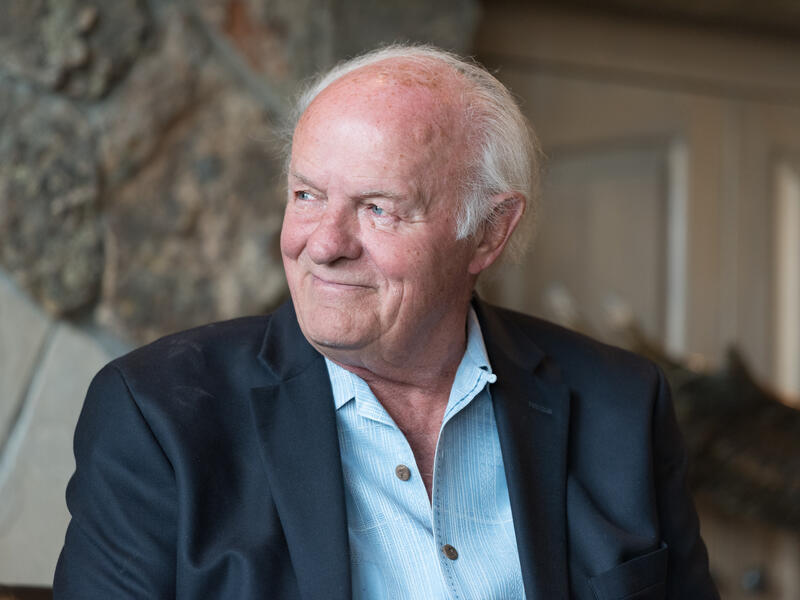
T. Denny Sanford is a man who gave away almost $2 billion to help sick people. His kindness was real and powerful, and it will help people for many, many years.
Important: Sanford’s gifts didn’t just help for a little while. They crossed borders and science limits, and they keep helping people today.
In an interview with Miles Beacom (a bank boss), Sanford was asked why he gives. He said simply:
From small towns in the Midwest to villages in Ghana, Africa, his help made it easier to bring healthcare to people who needed it.
He didn’t just give money for normal hospital beds. He gave almost $2 billion to Sanford Health and also helped other health groups, children’s causes, and schools.
In his region, this paid for:
Bill Gassen (Sanford Health CEO) said:
“At the end of every single decision we make is a patient. And for Denny, at the end of every gift is a patient.”
Miles Beacom shared a talk he had with Sanford:
One day, a pregnant woman and her father thanked Sanford. She said Sanford Health saved her and her baby from a deadly pregnancy problem. Tears flowed. That, he said, is significance.
Jaxon and Jeren Scheff have a rare genetic disorder (a problem passed down in their family’s DNA).
Dr. Patrick Munson explained Jeren’s nose was “squished,” so he couldn’t breathe as a baby.
When Jaxon was born, the local equipment to help him didn’t exist. By the time Jeren was born, it did—thanks to Sanford Children’s Castle of Care.
Their mom Jennifer said:
Fun fact from Jeren: When little, he thought Denny Sanford lived in the Castle and was the king!
It started in 2004 with $16 million to Sioux Valley Hospital. Here is a simple timeline:
New high-tech campus in Rapid City, SD with ER, ICU, cancer care, women’s health, and kids’ services.
One of the world’s best virtual care centers to help rural areas get care from far away.
More doctor training (8 new programs) and 18 outdoor turf fields at Sanford Sports Complex.
Free genetic testing program for veterans called PHASER.
Support for Ava’s House, a hospice (end-of-life care) for kids and young adults.
First program in the U.S. to use genetics in everyday adult care.
Breast cancer research using a woman’s genetic code.
Opened world clinics and diabetes research. Biggest gift ever to a U.S. health system then.
Better medical education, especially for kids’ health.
Built a standalone children’s hospital in Sioux Falls.
Gassen said Sanford changed what giving means in healthcare and far beyond.
Kendra Gottsleben has MPS VI, a rare disease with no cure. She needs weekly infusions (medicine through a vein).
Kendra is a national spokesperson and author. Her message to researchers:
“You need to know that the patients would give you a big kiss and a hug… What you’re doing is good. It’s helping us.”
Sanford grew up in a tiny 700-square-foot apartment in St. Paul, MN.
He almost joined the Navy but got in a fight and earned 90 days in jail. He told the judge:
His dad died when Denny was 20. Denny said his father was the most caring person and inspired his giving.
Business steps:
That money let him give big. In 2007, $400 million changed Sioux Valley into Sanford Health.
Today Sanford Health:
Nelson (retired COO) said his gift changed their culture to “we can.”
Melissa Olivier had breast cancer at 33. Her daughter Lena was born early with a heart block.
Dr. Keely Hack treated Melissa as a whole person, not just a patient. Melissa said Sanford became trusted family.
Dr. Hack said little girls now wear princess dresses and run into the Castle instead of away—“we’re in the right place.”
Sanford listened to people with big healthcare dreams. His rural virtual care gift helps bring world-class care everywhere.
He said:
“It’s important to be a person whom others trust and respect.”
His ~$2 billion says: think big, trust others.
Dr. Eric Larson said most doctors only dream of such a place to work and change care. That needs great generosity like his.
Denny Sanford grew from a small apartment to a giving giant. He donated nearly $2 billion, built Sanford Health, and helped real kids like Jaxon, Jeren, and families like the Oliviers and Kendra. His motto—aspire to inspire before you expire—lives on in every patient cared for.
1. What does “aspire to inspire before you expire” mean?
It means try to help and encourage others while you are alive, not after.
2. How much did Denny Sanford give to healthcare?
Almost $2 billion, including $400 million in 2007 to create Sanford Health.
3. Why is Sanford Children’s Castle of Care important?
It brought pediatric specialists and equipment locally so families like the Scheffs could stay together for care.
4. What is virtual care at Sanford?
It lets rural patients see doctors far away using technology, funded by Sanford’s 2021 $350 million gift.
5. Did Sanford come from a rich family?
No. He lived in a small apartment, lost his mom early, and learned caring from his dad.