EU Forces AI Watermarks on Hyper-Realistic Content: What You Must Know
The EU’s New AI Labeling Rules: What You Need to Know (Explained Simply)
Why This Matters: The Problem with "Too Real" Fakes
Imagine seeing a video of a politician saying something shocking—or a doctor giving medical advice on TikTok. It looks completely real. But what if it’s 100% fake, made by artificial intelligence (AI)?
Over the last few years, these "deepfakes" have flooded the internet:
- Fake audio of a Slovakian opposition leader supposedly plotting to rig an election
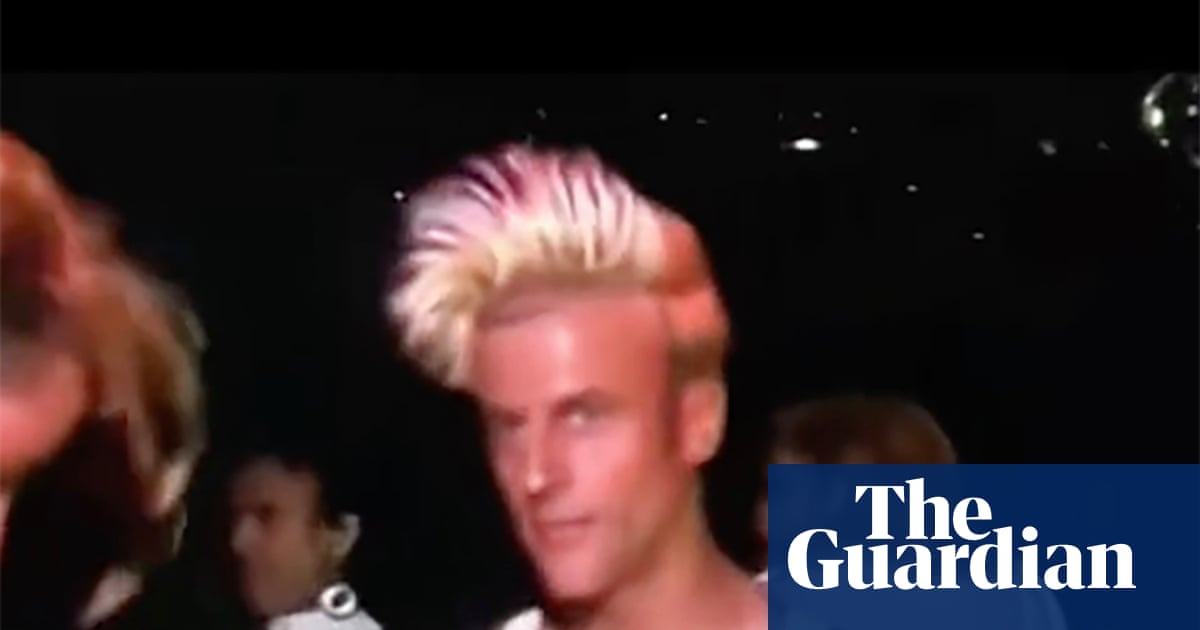
- A mocked-up video of French President Emmanuel Macron dancing in an 1980s nightclub
- Fabricated footage of UK Labour leader Keir Starmer verbally abusing staff
- AI-generated "doctors" on TikTok giving dubious health advice to millions
These aren’t just pranks. They’re designed to mislead voters, damage reputations, and spread dangerous misinformation.
Important Point: Deepfakes threaten democracy because they make it nearly impossible to trust what you see or hear online. The EU is stepping in to fix that.
What Are the New Rules?
Starting August 2, 2024, the EU’s landmark AI Act requires companies to clearly label any AI-generated content that looks authentic. This includes:
| Content Type | Must Be Labeled? |
|---|---|
| AI-generated images | Yes |
| AI-generated audio (voices, sounds) | Yes |
| AI-generated video (deepfakes) | Yes |
| AI-generated text (articles, posts) | Yes — if on matters of public interest & no human oversight |
| Chatbots / AI assistants | Yes — users must know they’re talking to AI |
How Does the Labeling Work?
The rules require two layers of transparency:
1. Visible Labels (For Humans)
- A clear, noticeable mark on the content itself (like a badge or banner)
- The EU has created standard black-and-white labels anyone can use
- Companies can design their own — but they must be equally clear
2. Invisible Digital Watermarks (For Machines)
- A hidden code embedded in the file
- Allows platforms and tools to automatically detect AI content
- Think of it like an invisible signature that says "Made by AI"
Important Point: Both labels are required for content "designed to look truthful." Satire, art, and fiction are exempt.
Who Must Comply — and When?
| Group | Deadline |
|---|---|
| New AI systems entering the EU market | August 2, 2024 (starting now!) |
| Existing AI systems already in use | December 2, 2024 (4 extra months) |
This applies to:
Tech companies (Google, Meta, TikTok, etc.)
Advertisers, film studios, publishers
Any platform hosting or distributing AI content in the EU
This does NOT apply to:
Your personal photos, videos, or posts
Obviously artistic, satirical, or fictional works
What Happens If Companies Don’t Comply?
The penalties are steep:
- Up to €15 million (≈ £12.8 million) OR
- 3% of global annual turnover — whichever is higher
That’s enough to get even the biggest tech giants’ attention.
What Are Companies Already Doing?
Many major players have voluntarily started labeling AI content:
| Company | Action |
|---|---|
| TikTok | Requires creators to label realistic AI content; says it’s labeled 3+ billion pieces |
| Launched SynthID — invisible watermarks on 100+ billion images and 60,000 years of audio | |
| Meta (Facebook/Instagram) | Policies for labeling photo-realistic AI images; developing standards for AI audio/video |
| 180+ organizations | Signed the EU’s voluntary Code of Practice on AI transparency |
Important Point: Signing the Code shows "good intent." Non-signatories must prove compliance another way.
Industry Concerns: "Label Fatigue"
Not everyone is cheering. The Computer and Communications Industry Association (CCIA) warns:
"The label was meant to flag deceptive content. Now almost everything gets labeled — a landscape in an ad is treated the same as a manipulated political speech. Like cookie banners, once labels are everywhere, users stop noticing them."
Their prediction: The biggest change won’t be on social media (which already labels AI) — but in advertising, film, and publishing, where AI is used invisibly at scale.
The Bigger Picture: The EU AI Act
These labeling rules are just one piece of the EU AI Act — the world’s first comprehensive AI law. It uses a risk-based approach:
| Risk Level | Examples | Rules |
|---|---|---|
| Unacceptable | Social scoring, real-time biometric surveillance | Banned |
| High | AI in hiring, medical devices, law enforcement | Strict requirements |
| Limited | Chatbots, deepfakes, AI-generated content | Transparency (labeling) |
| Minimal | Spam filters, video game AI | Light/no regulation |
As EU tech policy chief Henna Virkkunen puts it:
"AI is a transformative technology with extraordinary benefits — but the most advanced models create risks on an entirely new scale. Europe anticipated this."
Summary: 5 Key Takeaways
- Starting August 2, 2024, AI-generated content that looks real must be labeled in the EU.
- Two labels required: A visible badge for people + an invisible watermark for machines.
- Fines are huge: Up to €15M or 3% of global revenue.
- Big Tech is mostly onboard — but worries about "label fatigue" (like cookie banners).
- This is just the start — the AI Act will roll out more rules for high-risk AI over the next few years.
FAQ: Your Questions Answered
Does this mean all AI content gets a label?
No. Only content "designed to look truthful" — meaning realistic images, voices, videos, or text meant to pass as human-made. Satire, art, fiction, and personal content are exempt.
Will I see labels on my social media posts?
No. The rules apply to companies and platforms, not individual users posting personal content.
What if I see unlabeled AI content after August 2?
You can report it to the platform. Companies face heavy fines for non-compliance, so they have strong incentive to enforce labeling.
Can companies use their own label designs?
Yes — but they must be as clear and noticeable as the EU’s standard labels. The EU provides free, ready-to-use black-and-white icons.
Does this apply outside the EU?
Only if the content is offered to users in the EU. But since global platforms operate worldwide, many will apply labels globally for simplicity.
Final Thought: We’re entering an era where "seeing is believing" no longer works. These labels won’t stop deepfakes — but they’ll help us pause, check, and think before we share. And that’s a powerful first step.