11
11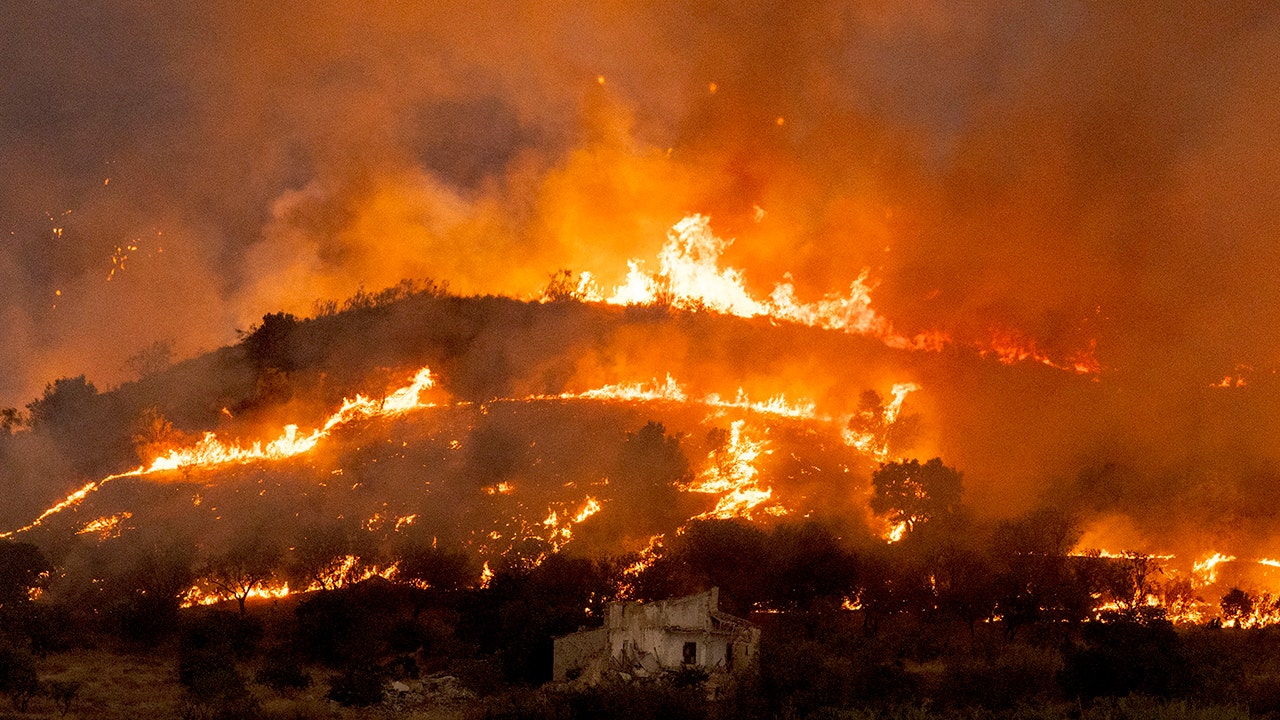
Since the beginning of the month, France and Spain have been hit by massive wildfires. Some people said the fires looked like a scene from Armageddon (a movie about the end of the world). The infernos destroyed buildings and forests alike. A huge heat wave in Europe has hit record levels in many parts of the area, and that heat has already led to thousands of deaths. But the fires aren’t just because of the record heat.
Important Point: The fires are made worse by extreme heat, but they are often started by people — not just by nature.
Last week, the famous Fontainebleau Forest near Paris was set alight. Here is what happened:
France’s Ministry of Agriculture says 9 out of 10 wildfires are caused by people. Often, it’s because of:
This year, extreme heat made things worse in France and Spain. The heat turned scrub grassland (bushes and small plants) into a "tinderbox" — something super dry that catches fire easily.
Also, both countries have rules that stop people from clearing certain protected lands. Daniel Lacalle, chief economist at a Madrid investment company called Tressis, explained: "Policies of nature restoration and building have made it hard in some cases to clear the brush that piles up."
The causes of fires in the U.S. are quite similar to those in France. According to the National Interagency Fire Center (NIFC) and the U.S. Forest Service:
France’s Interior Minister Laurent Nuñez said experts found 10 points around a little more than half a mile apart that were used to start the fire. A report by France Insider said this pattern "suggests a voluntary origin" — meaning someone did it on purpose (arson).
France 24 reported that dozens of people have been arrested across the nation for either accidentally or deliberately starting fires. On a visit to the Fontainebleau forest, French President Emmanuel Macron said the country "has never faced so many outbreaks of fire across the country since the end of World War II." He added: "Here, as everywhere else in France, there will be zero tolerance" for arsonists, "because it is, of course, our national territory that is under attack every time a fire breaks out."
Important Point: France is taking arson very seriously and promises "zero tolerance" for those who start fires on purpose.
Spain has been dealing with three separate wildfires. One has been stopped.
A fire in the Spanish Andalusia region killed at least 13 people, including a 93-year-old woman who was injured in the fire at Los Gallardos.
Spain has lots of unused land because most people live in cities. Lacalle said: "Some unused areas have not been cleaned up. Because they have uncleared scrub land, there is a higher likelihood of a disastrous fire." That dry, uncleared scrub acts like a tinderbox — it can ignite quickly, even from a partially smoked cigarette.
A study by the University of East Anglia in England found:
The extreme heat in France over the last month caused a high death rate. The Guardian reported that about 2,000 people died at the end of June. The heat wave is expected to continue through August.
France is the center of this excessive heat. Many outdoor events were canceled, especially in the south. Shawn Hackett, president of Hackett Financial Advisors, said: "Europe is being hit by a unique situation. The extreme heat and dryness are mainly being driven by the warm surface in the Mediterranean Sea and the cold-water Atlantic." This warm, dry weather will continue into August.
Q: Why are there so many wildfires in France and Spain right now?
A: A record heat wave dried out the land, and most fires are started by people (like unattended campfires or cigarettes). Rules limiting land clearing also left dry brush that catches fire easily.
Q: Are the fires only caused by the heat?
A: No. The heat makes fires worse, but 9 out of 10 wildfires in France are caused by people, and some were started on purpose (arson).
Q: How are U.S. wildfires different?
A: Like France, 85% of U.S. fires are caused by people. But lightning-caused fires in the U.S. burn more land because they happen in remote areas.
Q: What is a "tinderbox"?
A: It’s an area so dry (like uncut scrub land in a heat wave) that it can catch fire very quickly from even a small spark.
Q: Will the heat and fires stop soon?
A: The heat wave is forecast to continue through August, so the risk of fires remains high for now.