Touch-Starved Nation: Why PDA Isn’t Optional Anymore
Why Viral Public-Shaming Videos Are Ruining Romance for Everyone
The Spark: Two Kisses That Broke the Internet
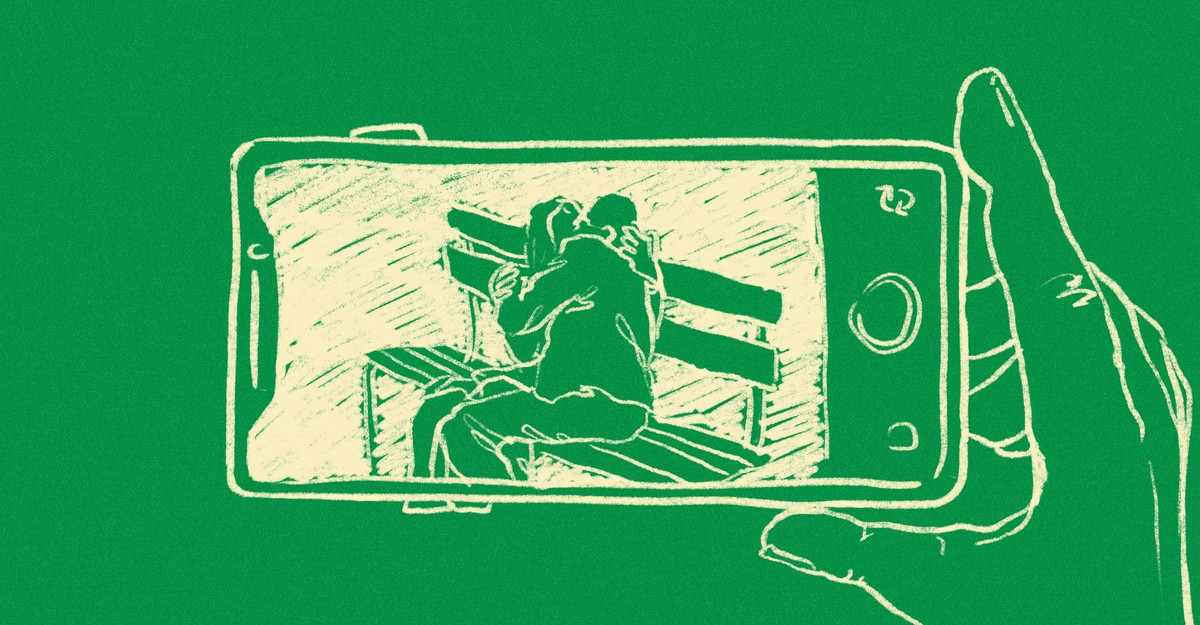
Imagine you’re sitting on a park bench, stealing a kiss with someone you like. A stranger walks up, shoves a phone in your face, and says, "Get a room! There’s kids around." Then they post the video online. Millions of people watch it. Internet detectives figure out who you are, where you work, and whether you’re married. Newspapers write articles about your "kissyface." Strangers make fun of your socks.
This actually happened.
- Central Park, 2024: A TikToker filmed two lawyers kissing on a bench. The video got 3.9 million views. Commenters discovered one appeared married. The New York Post and Daily Mail ran stories identifying them as OpenAI defense attorneys.
- Coldplay Concert, 2023: A CEO and her HR boss shared a hug on the Jumbotron. The clip went viral for months. The woman, Kristin Cabot, got 500–600 calls a day, ~60 death threats, was called a "slut" and "home-wrecker," had police surveil her house, lost her job, and her kids became afraid to leave home.
KEY TAKEAWAY
These aren’t just "internet drama." They’re public executions by smartphone. And they’re making all of us afraid to be human in public.
Why This Hurts Everyone — Not Just the People in the Video
You might think, "I’m not cheating, so I’m safe." But that’s not how fear works.
The Chilling Effect: A Simple Analogy
Imagine you’re at a karaoke bar. You love singing, but you know someone might film your off-key moment and post it with the caption "Cringe alert ."
Result? You stop singing. You stop taking risks. You stay in your seat.
That’s what’s happening to romance, flirting, and intimacy at a societal level.
America’s "Unsexy" Season (Yes, It’s Real)
- Young adults are having less sex and dating less than previous generations.
- A large share of single people say they’re not interested in dating at all (Pew Research).
- Romance is messy. Flirting risks rejection. Kissing is awkward. Falling in love is humiliating — in the best way.
- But now, every messy moment could go viral forever.
Gen Z: The Generation Raised in a Panopticon (And Why It Matters)
What’s a Panopticon? (ELI5)
A prison design where inmates might be watched at any moment — so they always behave as if they are.
Sound familiar? That’s social media.
Gen Z Didn’t Get "Free" Mistakes
| Previous Generations | Gen Z |
|---|---|
| Got drunk, kissed badly, talked too loud at parties | Every party has 50 cameras |
| Forgot to call a landline → awkward, then forgotten | Texts screenshotted, shared, immortalized |
| "West Elm Caleb" becomes a cautionary tale | You could be the next main character |
The Data: Fear Is Paralyzing Them
- Yahoo/YouGov poll: Large share of Gen Z says fear of being "cringe" stops them from:
- Opening up emotionally
- Pursuing hobbies
- Taking professional opportunities
- Expressing themselves online
- Hinge survey: Nearly 60% said fear of rejection stopped them from pursuing a relationship.
Same share said they didn’t confess feelings because it "might be a turnoff."
KEY TAKEAWAY
We’ve raised a generation that’s terrified to be imperfect — in the exact years of life meant for messy lessons.
Accountability ≠ Public Shaming
The Good Intent: Whisper Networks
Women have created tools to warn each other:
- "Are We Dating the Same Guy?" Facebook groups
- The Tea App (crowdsourced dating safety data)
These are scalpels. Viral public shaming is a sledgehammer.
The Central Park Couple: None of Our Business
- We don’t know their marriage arrangement.
- Neither has spoken to the press.
- Their jobs (OpenAI lawyers) don’t make their kiss "public interest."
Kristin Cabot’s Truth (From NYT Interview)
- She and her husband were already divorcing.
- Her boss was also divorcing.
- She had a few High Noons (hard seltzer), danced, "acted inappropriately."
- Her words: "I want my kids to know you can make mistakes… but you don’t have to be threatened to be killed for them."
Why PDA Is Actually Healthy — Science Says So
Research Backs Public Affection
| Study | Finding |
|---|---|
| 2023 Doctoral Dissertation (LIU) | PDA linked to higher relationship satisfaction & better communication |
| 2022 Study (PMC) | PDA-related vigilance (worrying "who’s watching?") linked to worse psychological well-being |
Translation
- Kissing, holding hands, hugging in public → good for your relationship.
- Stressing about who might see → bad for your mental health.
The Extra Magic of "Un-Self-Conscious" PDA
When you kiss like no one’s watching — in a world where everyone might be — you’re doing something radical:
Choosing connection over performance.
You’re saying: "This moment matters more than my image."
A Personal Shift: From Cringe to Cheers
"I used to feel mild discomfort watching strangers kiss. I’d judge and look away.
Now? I’ll tip my hat. Thank you. That’s the shameless energy this nation needs."
Summary: What We Lose When We Police Intimacy
- Viral shaming destroys lives — not just the targets’, but the culture’s.
- Fear of "cringe" freezes romance — dating, flirting, vulnerability all become too risky.
- Gen Z pays the highest price — raised in a surveillance state, terrified to be imperfect.
- Accountability tools exist — but public pile-ons are blunt, cruel, and often wrong.
- PDA is scientifically good for you — and a quiet act of rebellion against the panopticon.
- We need more messy, awkward, beautiful public affection — not less.
FAQ
1. Isn’t public shaming sometimes justified?
Sometimes — for genuine harm, abuse, or public corruption. But kissing on a bench? That’s not accountability. That’s entertainment at someone’s expense.
2. What’s the difference between a "whisper network" and a viral video?
Whisper networks are private, specific, and protective (e.g., "This guy lied about being single"). Viral videos are public, permanent, and punitive — often based on seconds of contextless footage.
3. Why does Gen Z care so much about being "cringe"?
They’ve grown up with every mistake potentially broadcast forever. Social currency = curated perfection. "Cringe" = social death. It’s rational adaptation to an irrational environment.
4. Can PDA really improve a relationship?
Yes. Research shows couples who show affection publicly communicate better and feel more satisfied — if they’re not stressed about being watched. The willingness to be seen matters.
5. What can I do to help change this culture?
- Don’t share "exposed" videos of strangers.
- Call out pile-ons in comments: "We don’t know their story."
- Kiss your person in public. Hold hands. Be shameless.
- Teach kids that mistakes ≠ monsters — and privacy is a right, not a privilege.
Final Thought:
The next time you see a couple kissing on a park bench, don’t film them.
Smile.
They’re doing something brave: living out loud in a world that demands a performance.
And honestly? We could all use a little more of that.