11
11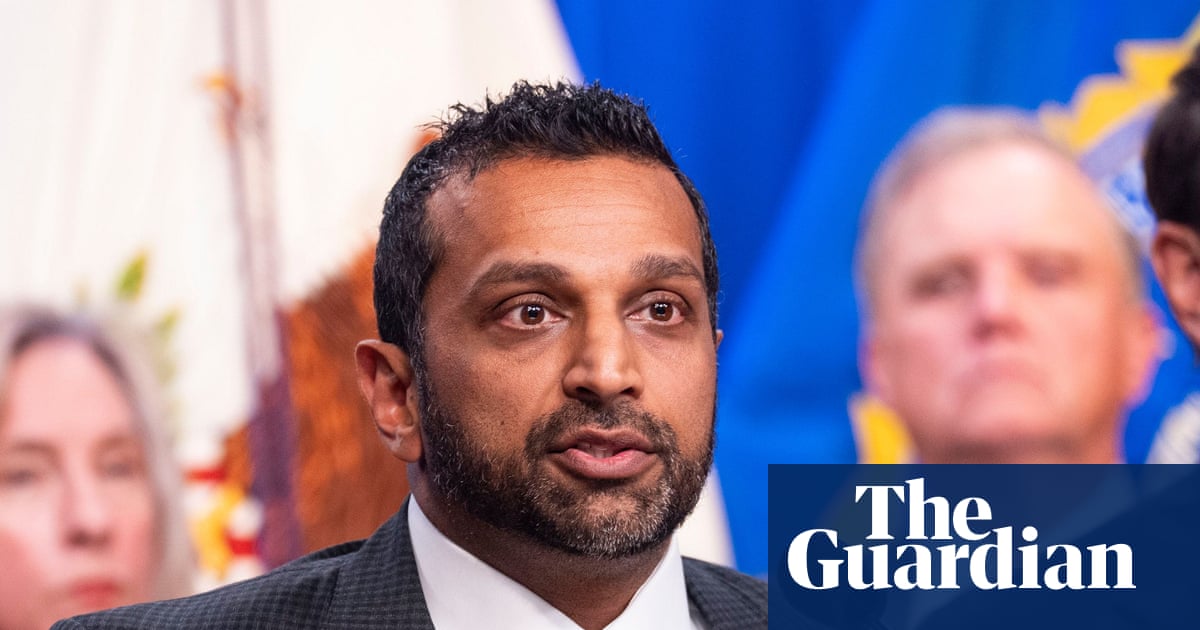
Imagine you’re playing a really hard game of hide-and-seek, and just when the seekers are starting to find people, your team captain runs outside and yells exactly where everyone is hiding. That wouldn’t be very fair, would it? Well, some people are saying the boss of the FBI did something similar — but with a real-life crime investigation.
UFC stands for Ultimate Fighting Championship. It’s a big, popular fighting competition, kind of like boxing but with more types of martial arts. In this case, a UFC event was held at the White House — the most famous house in America, where the President lives.
Here’s where things get complicated. The FBI Director, Kash Patel, posted about these arrests on social media (like Twitter/X) very early in the morning to share the news.
But here’s the catch:
It’s like if a teacher sealed a test in an envelope and said, "Don’t open this until everyone has finished." Opening it ahead of time isn’t allowed.
Important Point: When a case is sealed, it means a court has ordered that information about it cannot be shared with the public. Doing so without the court’s permission could be considered a serious violation of the law. Possible consequences include:
- The court issuing sanctions (punishments)
- Someone being held in contempt of court (which can mean fines or even jail time)
- Damage to the criminal prosecution’s case
There ARE exceptions that allow someone to reveal sealed information, but those require formal approval from the court. There’s no indication Patel received that approval.
Interestingly, Patel himself has previously used court-sealed orders as a reason the FBI COULDN’T release files on another famous case — the Jeffrey Epstein case. So he sealed orders should also apply to HIM.
Think of it this way: imagine you’re fishing in a lake and you’ve just caught one fish. If you shout to everyone on the shore, "Hey, there are fish in this lake!" — all the other fish will swim away. The same thing can happen in crime investigations:
The Secret Service was leading this particular investigation. Their deputy director, Matt Quinn, made a pointed comment without naming Patel directly:
"I learned early in my career: ‘Don’t choke on your own smoke.’ The Secret Service led that investigation. The case is ongoing. We chose not to leak it."
This is a polite way of saying: "We don’t spill secrets, and neither should he."
When the FBI violates other agencies’ trust, those agencies become less willing to share information in the future. It’s like if you told your friend’s secret — they probably wouldn’t trust you with another one.
Unfortunately, many current and former officials say yes. Here are some examples:
These examples show a repeated pattern: posting quickly, sometimes incorrectly, and before the facts were confirmed.
Anderson, who oversaw terrorism investigations in the U.S. and abroad, shared several concerning observations:
Field was even more blunt:
"The old ‘loose lips sink ships’ warning — he didn’t get it."
He explained that premature announcements can create a false sense of security. People think, "Oh, the bad guys are caught, everything is fine!" — but that’s not always true, and lives can be endangered.
Field also noted that he worked on extremely sensitive cases involving groups like al-Qaida and ISIS and will never be able to talk about most of his FBI work. That’s accepted as part of the job. But in Patel’s case, there seems to be no such discretion.
Patel hasn’t backed down. His main argument is about "transparency":
"Could I have worded it a little better in the heat of the moment? Sure. But do I regret putting it out? Absolutely not. I was telling the world what the FBI was doing as we were doing it."
He also argued that the FBI’s track record of catching suspects is strong:
An FBI official also responded to the criticism, saying:
"Any suggestion the investigation was compromised is totally false. Eight arrests have been made so far."
Here’s a quick recap of everything you just read:
Q1: What does it mean for a case to be "sealed"?
A sealed case means a judge has ordered that the details cannot be made public. It’s like putting a case file in a locked drawer — nobody is supposed to open it or share what’s inside until the judge says it’s okay. Doing so without permission can be serious and may lead to sanctions from the court.
Q2: Who is Kash Patel?
Kash Patel is the current Director of the FBI (the Federal Bureau of Investigation), the top law enforcement agency in the United States. He has no prior experience managing an agency of this size and scope, and his leadership style has been controversial since taking office.
Q3: Why is posting about ongoing investigations on social media a problem?
It can alert other suspects who might then flee or destroy evidence, intimidate witnesses, and compromise the prosecution’s case in court. It’s like telling the other team your game plan in the middle of a match.
Q4: What happened with the Charlie Kirk and Brown University posts?
In both cases, Patel announced arrests on social media that turned out to be premature. In the Kirk case, the person arrested without charge was later released, and someone else was eventually charged. In the Brown University case, someone was shot the very day after Patel’s post, suggesting the real shooter was still at large.
Q5: What could happen to Kash Patel as a result of these allegations?
Possible consequences include an internal FBI investigation by the Office of Professional Responsibility, court sanctions or contempt of judge findings, and long-term damage to the FBI’s reputation and relationships with partner agencies. However, as of now, no formal actions have been confirmed.