 11
11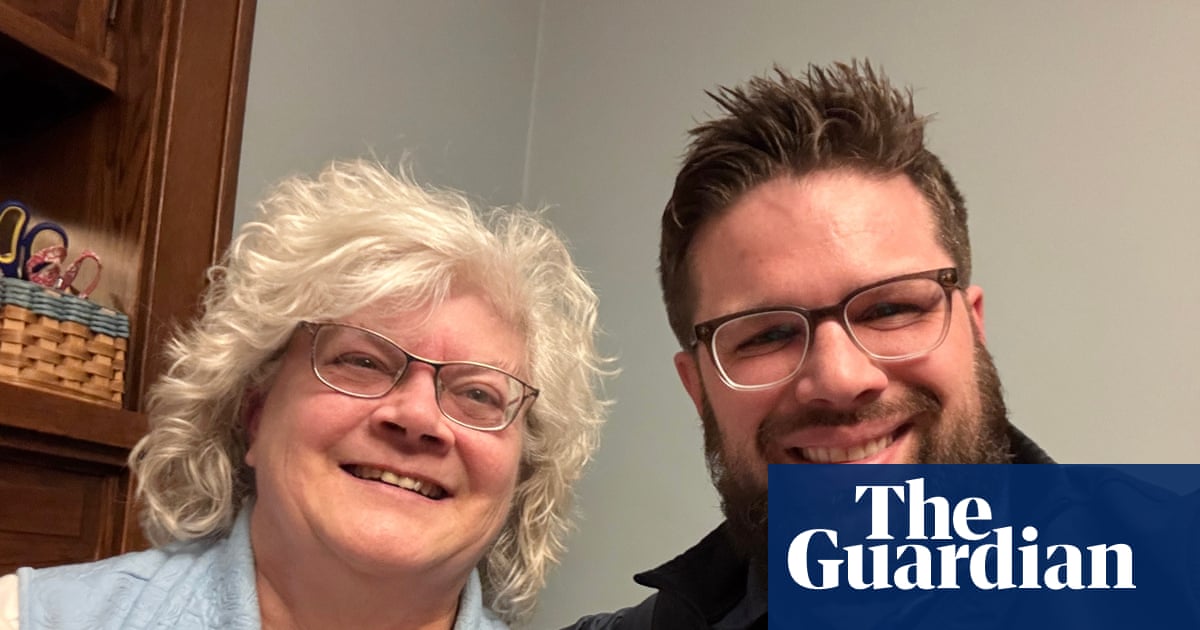
Imagine you get a surprise present at Christmas that turns your whole life upside down. That’s what happened to Kyle Bylin. He took an at-home DNA test (a simple cheek swab that tells you who your biological relatives are) as part of a gift exchange. The test matched him with a biological aunt on a family-tree website.
This led her nephew, Jeremy Morrison, to take his own DNA test too. The results were shocking:
According to a complaint (a formal paper that says someone did something wrong) filed against Unity Medical Center in North Dakota:
The complaint says:
“The employees and/or agents of Unity Medical Center who switched the newborns and then failed to recognize or correct the error were acting within the scope of their employment and/or agency.”
Unity Medical Center does not agree that its staff caused the mix-up. But it does not argue that the babies were switched at some point.
Important Point
The hospital admits the babies were switched somewhere along the way, but says it can’t prove the switch happened because of hospital employees.
Kyle Bylin (who was born as Jeremy Morrison) still has the hospital bracelet that wrongly named him as Kyle Bylin.
Evelyn Newton raised Kyle as her own. She said:
Since finding out the truth:
Bylin told ABC: “Everyone’s getting to know people that they didn’t know before.”
You might think baby switches are super rare. They are not common, but they happen more than you’d guess.
Two men, Kyle Bylin and Jeremy Morrison, found out through DNA tests that they were switched at birth in a North Dakota hospital in 1988. Their families are suing Unity Medical Center, which says it didn’t cause the switch but agrees the babies were swapped. The families have met their biological relatives and are trying to cope with a life-changing surprise.
Q1: What is a DNA test?
A: It’s a simple test (often a cheek swab) that looks at your genetic code to show who your biological family members are.
Q2: Were the babies switched on purpose?
A: The lawsuit says the switch happened without the parents’ knowledge. No one has said it was on purpose.
Q3: Did the hospital admit fault?
A: No. The hospital says there is no proof its staff caused the switch, but it does not deny the babies were switched.
Q4: Have the two men met in person?
A: Not yet. They have spoken by phone and met their biological parents separately.
Q5: Is this kind of mix-up common?
A: It’s rare to go undiscovered for decades, but experts say up to 18 babies a year may be sent home with the wrong family, usually caught quickly.


