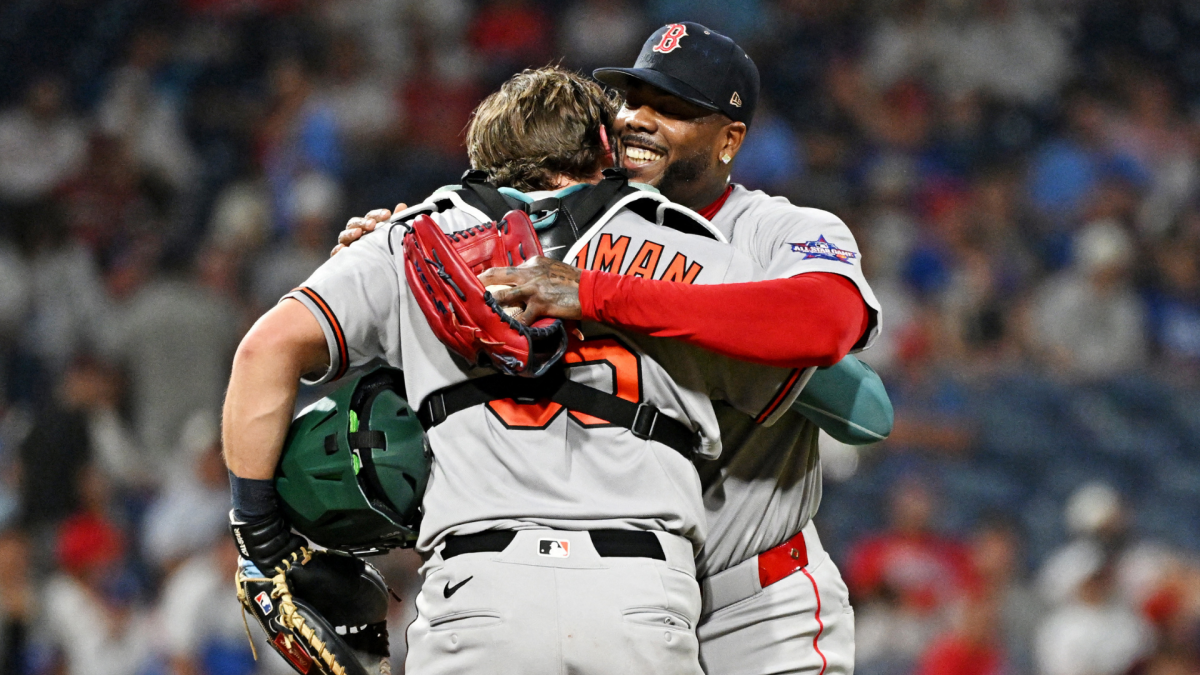
AL East Deadline: Red Sox Go For It, Yankees & Orioles Give Up
The 2026 MLB Trade Deadline: When Front Offices Had to Change Their Minds
The 2026 MLB trade deadline wasn’t just about swapping players. It was a moment when team executives had to confront the very strategies they’d believed in for years. Some finally let go of their prized young prospects to win now. Others clung to them—and learned that waiting too long can backfire, too.
As one American League executive put it: "No fan base is ever satisfied."
But the real story? Admitting your old way of thinking doesn’t work anymore is harder than making any trade.
Four American League East teams showed this reality in four very different ways. Let’s break it down.
The Big Picture: What Happened at the Deadline?
Important Callout: The trade deadline is the last chance during the season for teams to trade players. After this date, rosters are mostly set for the playoff push.
| Team | Strategy | Key Move |
|---|---|---|
| Red Sox | All-in on winning now | Traded top prospects for All-Star catcher Adley Rutschman |
| Orioles | Stuck to "build from within" | Traded away franchise cornerstone Rutschman after years of holding prospects |
| Yankees | Stood pat, made minor moves | Added role players but missed on big targets |
| Blue Jays | Middle ground—retool, not rebuild | Traded veterans but kept star George Springer, added young controllable pitchers |
Boston Red Sox: Craig Breslow Changes the Philosophy
For five years, the Red Sox prioritized tomorrow over today. They hoarded young prospects—players who might become stars—instead of trading them for proven talent.
Then Craig Breslow flipped the script.
The First Signal: Curtis Mead for Connelly Early
- Connelly Early: 24-year-old lefty pitcher, widely seen as a future rotation star. Exactly the kind of prospect Breslov used to acquire.
- Curtis Mead: Hitter with 17 HRs and .854 OPS in Washington, but older and less "projectable."
Breslow traded the "better prospect" for the "better right-now player." That was the first clue: he stopped trying to "win the trade" and started trying to win games.
The Blockbuster: Getting Adley Rutschman
Breslow doubled down, sending four high-value pieces to Baltimore:
- Anthony Eyanson (No. 2 prospect)
- Kyson Witherspoon (No. 4 prospect)
- Enddy Azocar (No. 5 prospect)
- MLB catcher Carlos Narváez
In return: Three-time All-Star catcher Adley Rutschman + Jake Rogers + cash.
Breslow’s new mantra: "Our goal is not to win the trade. Our goal is to make our major league team better."
The Marcelo Mayer Trade
Also shipped former top prospect Marcelo Mayer to the Giants for reliever Erik Miller. Why?
- Mayer was unhappy with playing time
- Coaches doubted he’d fix his swing-and-miss issues (35.6% whiff rate on breaking balls)
- Durability concerns (never played 100 pro games in a season)
Result: The Red Sox went 31-9 since June 18, climbed from 14 games under .500, and sit just 2.5 games back in the Wild Card race.
Key Takeaway: Prospects are lottery tickets. Rutschman is a winning ticket. Breslow cashed in his lottery tickets for a sure thing.
Baltimore Orioles: The "Process" Backfired
The High Point: 2023
- 100+ wins, AL East champs
- Homegrown stars Adley Rutschman & Gunnar Henderson = proof that "draft & develop" works
- Red Sox star Trevor Story even said: "That’s the goal we set for ourselves. And it was realized by them."
The Crash: 2026
- Too many held prospects failed to pan out
- President Mike Elias refused to trade prospects for pitching help
- Result: Rutschman (franchise face) traded away, Henderson two years from free agency
Elias admitted it: "Baseball is very humbling. It’s not linear… I got caught up in the narrative."
The Culture Problem
- Described as "the most analytically driven organization I’ve ever played for" (former player)
- One-size-fits-all player development
- Elias and Breslow were Yale teammates—but only Breslow adapted
Important Lesson: Falling in love with your own prospects can blind you to what the actual team needs.
New York Yankees: Standing Pat While the Window Is Open
What They Did
- Added Luis García Jr. (immediate 2-run HR in debut)
- Added Heliot Ramos (outfielder from Giants)
- That’s it.
What They Didn’t Do
- Land Adley Rutschman (division rival got him)
- Land Tarik Skubal (Tigers demanded top prospect George Lombard Jr.)
- Pivot aggressively to other options
The Context
- Aaron Judge still on IL (team 27-28 without him)
- Blowing leads (lost after García’s HR gave them one)
- Fan base furious—this is a championship window, not a rebuilding year
Cashman’s defense: Asking prices were too steep.
Reality: Sometimes you pay the steep price when Judge is 32 and your window is now.
Toronto Blue Jays: The Middle Ground
Record: 53-60 (under .500)
But only 4 games out of a Wild Card spot.
GM Ross Atkins’ Strategy: "Retool, Don’t Rebuild"
Traded away:
- Kevin Gausman (starter)
- Daulton Varsho (outfielder)
- Jeff Hoffman (reliever)
Kept:
- George Springer (impending free agent, but "We wanted him here")
Added (all controllable for years):
- José Soriano (starter, controlled through 2029)
- Spencer Arrighetti (pitcher)
- Josh Smith (infielder)
Why This Makes Sense
- Not tearing it down—still in playoff hunt
- Not mortgaging future—added young, cheap talent
- Kept clubhouse leader (Springer) for culture
Smart Middle Ground: You don’t have to choose "all-in" or "blow it up." You can reshape while staying competitive.
Summary: Four Teams, Four Lessons
| Team | Lesson |
|---|---|
| Red Sox | Adapt or die. Breslow recognized his model was outdated and pivoted before it was too late. |
| Orioles | Dogma is dangerous. Elias clung to "the process" while the roster crumbled around him. |
| Yankees | Hesitation costs. In a short window with an aging superstar, aggression beats perfection. |
| Blue Jays | Nuance wins. You can sell some pieces, keep others, and still chase October. |
The deadline proved one thing above all:
Making a trade is hard. Admitting you were wrong is harder.
The Red Sox did it. The Orioles finally had to. The Yankees didn’t. The Blue Jays found a third way.
FAQ: Your Trade Deadline Questions Answered
1. What is a "prospect" in baseball?
A prospect is a young player (usually in the minor leagues) who might become a good major leaguer. They’re like unopened packs of baseball cards—full of potential, but no guarantees.
2. Why do teams hoard prospects?
Because they’re cheap (team-controlled for 6+ years) and could become stars. It’s the "buy low, hope high" strategy. But if everyone does it, the market dries up—no one wants to trade proven players for maybes anymore.
3. What does "win the trade" vs. "win the game" mean?
- Win the trade: Get more long-term value (prospects, savings) than you give up. Looks good on paper.
- Win the game: Get a player who helps right now, even if you overpay in future value. Looks good in the standings.
4. Why did the Orioles trade Adley Rutschman if he’s so good?
Because their "build from within" model failed to produce enough other talent (especially pitching). They’re now "retooling" around Gunnar Henderson—but they lost their franchise face in the process.
5. Can the Yankees still win the World Series with just those small moves?
Possible, but harder. They’re betting on:
- Aaron Judge returning healthy
- Internal improvement
- Luis García Jr. staying hot
History says adding impact talent in July correlates with October success. Standing pat? Risky.
Want to stay updated on the playoff race? Follow the standings daily—because in the AL East, everything changes fast.