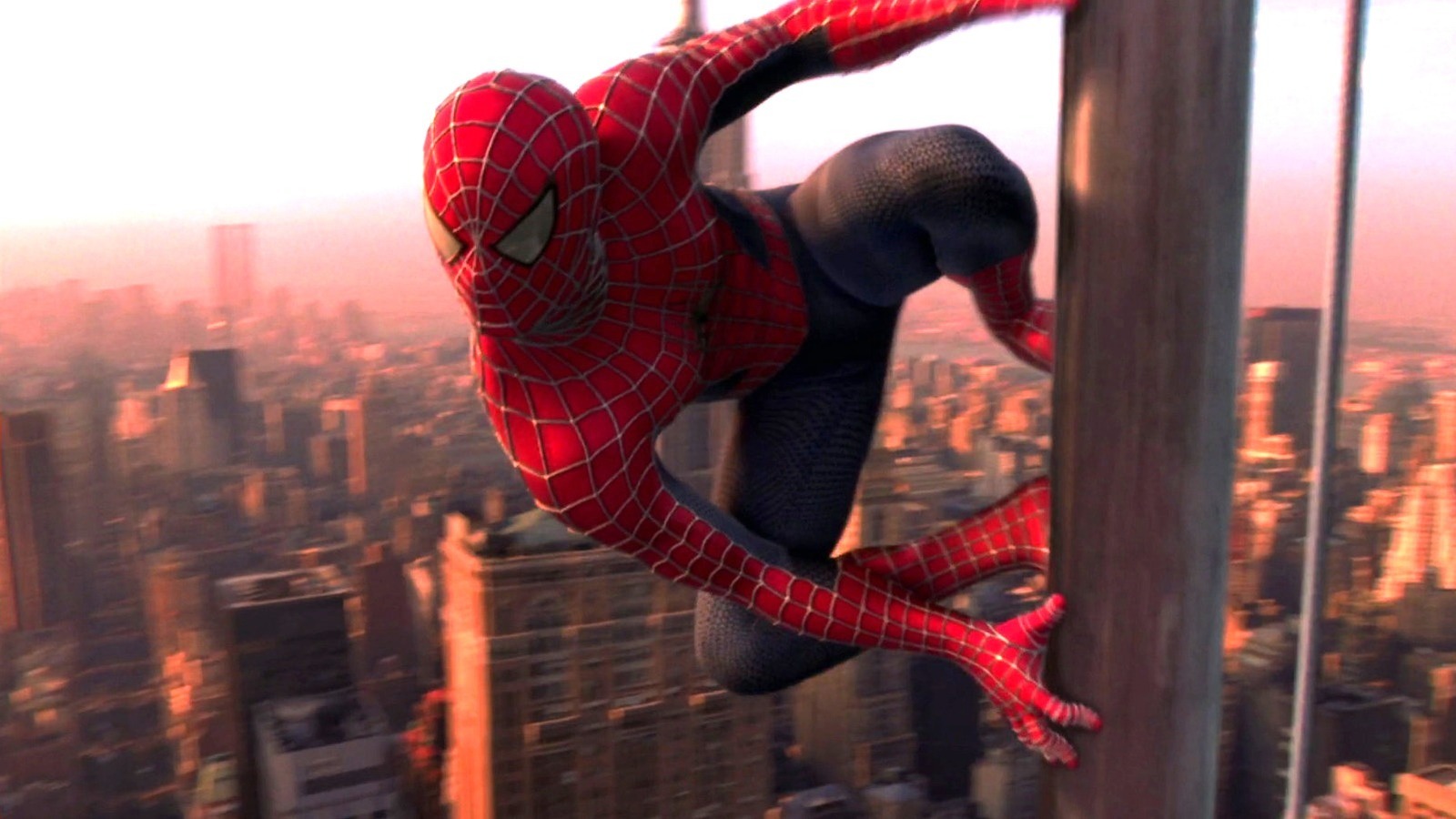
Sam Raimi’s Spider-Man 4: The Perfect Ending That Never Was
The Spider-Man Franchise Never Recovered From The Cancellation Of Sam Raimi’s Spider-Man 4
Introduction: A Personal Journey With Spider-Man
When I was eight years old, I saw Spider-Man 3 in theaters. Back then, I didn’t care about things like "story structure" or "narrative cohesion." I just thought it was super cool when Spider-Man (Tobey Maguire) teamed up with his friend Harry Osborn (James Franco) to fight Venom (Topher Grace) and Sandman (Thomas Haden Church).
Honestly, that movie—more than Spider-Man 2 on DVD or reruns of the 1990s cartoon—might be the reason I fell in love with Spider-Man forever.
But most people didn’t feel the same way. (And looking back, I agree—Spider-Man 3 is the weakest of the trilogy and kind of a mess.)
Still, Spider-Man 4 had been given the green light… until 2010, when it was announced that Tobey Maguire and director Sam Raimi had walked away. With them gone, Sony decided to scrap Spider-Man 4 and start completely over.
That cancellation was one of the first pieces of movie news I remember following as it happened. I also remember thinking we might have dodged a bullet when I heard rumors that Anne Hathaway would play not Black Cat, but a reimagined "Vulturess."
Looking back now, though, the cancellation only hurt Spider-Man. Outside of the animated Spider-Verse movies, the live-action Spider-Man films have been searching for a strong creative vision to match what Raimi brought. There’s a reason Spider-Man: No Way Home (starring Tom Holland) was largely a walk down memory lane—the lane Raimi built.
Why Sam Raimi Walked Away From Spider-Man 4
After the disappointing reception to Spider-Man 3 and his own dissatisfaction with how it turned out, Sam Raimi didn’t want to make another sequel unless he could be proud of the final result.
When he couldn’t find a script he liked in time for a summer 2011 release, he walked away.
Sam Raimi told Vulture:
"I couldn’t get the script together in time, due to my own failings, and I said to Sony, ‘I don’t want to make a movie that is less than great, so I think we shouldn’t make this picture. Go ahead with your reboot, which you’ve been planning anyway.’"
Notice that last part? Sony had already been planning a reboot.
When Raimi and Maguire left, Sony simultaneously announced a rebooted, high school-aged Spider-Man coming in summer 2012. That became The Amazing Spider-Man, starring Andrew Garfield.
Important Context: The Rights Deadline
Important Point:
Sony has a deal with Marvel: they must regularly produce Spider-Man movies every few years, or they lose the rights to the character entirely. This explains why Sony couldn’t just delay Spider-Man 4 to give Raimi more time—they were on a clock.
What Sam Raimi Wanted To Do With Spider-Man 4
One thing was set in stone: the villain would be The Vulture.
- John Malkovich was cast (Raimi had previously considered him for Green Goblin in the first movie).
- Concept art by Jeffrey Henderson shows a fearsome, formidable Vulture—not "just an old guy in a silly green suit."
Henderson told io9:
"Everyone was going to dismiss the Vulture as just an old guy in a silly green suit, so we wanted to go the opposite way and really make him the most fearsome and formidable adversary that Spider-Man had faced in the series."
Other Story Ideas (Never Fully Locked Down)
- Vulture’s daughter would head a firm that buys the Daily Bugle, giving J. Jonah Jameson (J.K. Simmons) a subplot about the changing media landscape.
- After her father dies fighting Spider-Man, she discovers his gear and becomes the Vulturess to battle Spidey.
This Vulturess arc reads like a compressed repeat of Harry Osborn becoming the new Green Goblin across the first three films—possibly why Raimi wasn’t confident in any script.
Key Takeaway: Sony had spent the 2000s building fan investment in Raimi and Maguire’s Spider-Man. Even with Spider-Man 3 stumbling, a reboot without letting fans miss the character first was never a great creative idea—even if it was the only business option.
The Amazing Spider-Man Films: A Reboot That Didn’t Work
When Spider-Man 4 was canceled in 2010, this was before The Avengers proved cinematic universes could work. The cancellation was an abrupt goodbye to Raimi’s Peter Parker with no chance of seeing him again. That made it much harder for fans to accept the new Spider-Man as "Amazing."
Leaked Emails Reveal the Core Problem
Former Marvel President Alan Fine hit the nail on the head in leaked emails about The Amazing Spider-Man 2:
Alan Fine:
"I think that it is a mistake to deny the original trilogy [its] place in the canon of the Spider-Man cinematic universe. What are you telling the audience? That the original trilogy is a mistake, a total false-hood? We lied to you? Just made it up? Why should the audience buy into the world we create now?"
What Went Wrong
| Issue | Details |
|---|---|
| "The Untold Story" Marketing | Promised something new, but the movie didn’t deliver. |
| Missing Subplot | Cut lines and ASM2 revelations suggest an excised plot: Peter’s father Richard Parker tweaked his son’s DNA—making Spider-Man destiny, not chance. |
| Felt Like a Lesser Remake | Retold the origin story just a decade after Raimi did it better. |
| Surface-Level Comic Accuracy | Garfield was pricklier (like Ditko’s Spidey) and Gwen Stacy (Emma Stone) was the love interest—but it didn’t matter without a strong vision. |
Live-Action Spider-Man Movies Have Never Left Sam Raimi’s Shadow
Raimi Defined Spider-Man On Screen
- The Raimi movies accelerated the superhero boom.
- They defined what Spider-Man looked like for a whole generation—especially the webslinging, which had no true live-action precedent.
- The Amazing Spider-Man even ended with a wordless webslinging sequence—a faint echo of Raimi’s first movie.
The Amazing Spider-Man 2 (2014): A Messy Pivot
- So messy it made Spider-Man 3 look good by comparison.
- Shifted from a Batman Begins-style tone to chasing the Marvel Cinematic Universe trend.
- Simultaneously tried to be more like the lighter, funnier, romantic Raimi films fans still preferred.
The narrative became clear: Sony had no vision, pushed away the director who did, and was just chasing trends.
The Tom Holland Era: An Admission of Defeat?
- The MCU Spider-Man films (co-produced with Marvel Studios) have been better received.
- But they’re also Sony conceding that Marvel Studios could make a better Spider-Man movie than they could.
- Back in 2014, it felt like Marvel could do no wrong—and Sony heard that.
Spider-Man: No Way Home (2021): The Ultimate Nostalgia Trip
- Brought back Tobey Maguire’s Spider-Man (and Andrew Garfield’s).
- Brought back Willem Dafoe’s Green Goblin and Alfred Molina’s Doc Ock—villains Raimi’s movies made iconic.
- Rocketed to massive success by delivering what fans had wanted since 2010: the return of Raimi’s Spider-Man.
Watching No Way Home felt like Sony AND Marvel admitting they’d never make villains as good as Dafoe’s Goblin or Molina’s Ock—so they just brought them back.
Sam Raimi’s Spider-Man Saga Sits Without An Ending
No Way Home satisfied fans waiting to see Tobey Maguire again since 2007. But if anything, it made people want Spider-Man 4 even more.
Raimi has since said Spider-Man 4 still can’t happen right now. But the hunger for it speaks volumes.
Why Spider-Man 3 Didn’t Feel Like a True Finale
The Raimi movies were romantic dramas as much as superhero films—capturing the romance artist John Romita Sr. brought to the 1960s comics.
- MJ became Peter’s childhood crush (not in the comics).
- Movies 1 & 2: Peter pines for her but says they can’t be together because of his dual life.
- End of Spider-Man 2: They finally agree to be together despite the challenges.
- Spider-Man 3: All about those challenges. Ends with them slow dancing at the jazz club—a bittersweet reaffirmation.
That’s a fine ending for Spider-Man 3, but not a capstone for the whole saga. There were more places for the relationship to go (marriage!) and more battles to fight.
In a perfect world without studio deadlines, Raimi surely could’ve cracked the code for a true ending and a redemption after Spider-Man 3. But as Peter Parker knows… we don’t live in a perfect world.
Summary
| Era | What Happened | Result |
|---|---|---|
| Raimi Trilogy (2002–2007) | Defined live-action Spider-Man; Spider-Man 3 messy but profitable | Strong fan investment, cultural touchstone |
| Spider-Man 4 Canceled (2010) | Raimi couldn’t crack script in time; Sony had reboot planned | Abrupt end, no closure for Raimi’s saga |
| Amazing Spider-Man (2012–2014) | Reboot too soon; lacked distinct vision; chased trends | Felt like lesser remake; fans rejected it |
| MCU Spider-Man (2016–Present) | Better received, but leans on nostalgia (No Way Home) | Admission Sony couldn’t do it alone |
| Current State | Raimi’s saga has no ending; fans still want Spider-Man 4 | Franchise still lives in Raimi’s shadow |
Bottom Line: The cancellation of Spider-Man 4 broke a creative momentum that no subsequent film has fully recaptured. The franchise has been reacting ever since—chasing trends, leaning on nostalgia, and never quite finding its own voice again.
FAQ
Why did Sam Raimi really leave Spider-Man 4?
Raimi couldn’t finish a script he was proud of in time for Sony’s mandated release date. He refused to make a "less than great" movie and mutually agreed with Sony to walk away. Sony already had a reboot planned.
Who was going to be the villain in Spider-Man 4?
The Vulture, played by John Malkovich. Concept art shows a terrifying, formidable version—not a goofy old man in a green suit.
What was the "Vulturess" storyline?
Vulture’s daughter would take over the Daily Bugle, then after her father dies fighting Spider-Man, she’d use his gear to become the Vulturess and battle Spidey herself—a repeat of Harry Osborn becoming Goblin 2.0.
Why did The Amazing Spider-Man fail?
It rebooted too soon after Raimi’s films, retold the origin story less effectively, had a confusing "untold story" marketing hook that went nowhere, and lacked a clear creative vision—feeling like a corporate product rather than a story someone needed to tell.
Will we ever get Sam Raimi’s Spider-Man 4?
Raimi has said it "can’t happen right now." But the massive fan response to Tobey Maguire’s return in No Way Home proves the demand is there. Never say never in Hollywood—but don’t hold your breath.
"With great power comes great responsibility."
Sony had the power to continue Raimi’s vision. They chose a reboot instead. The franchise has been paying the price ever since.