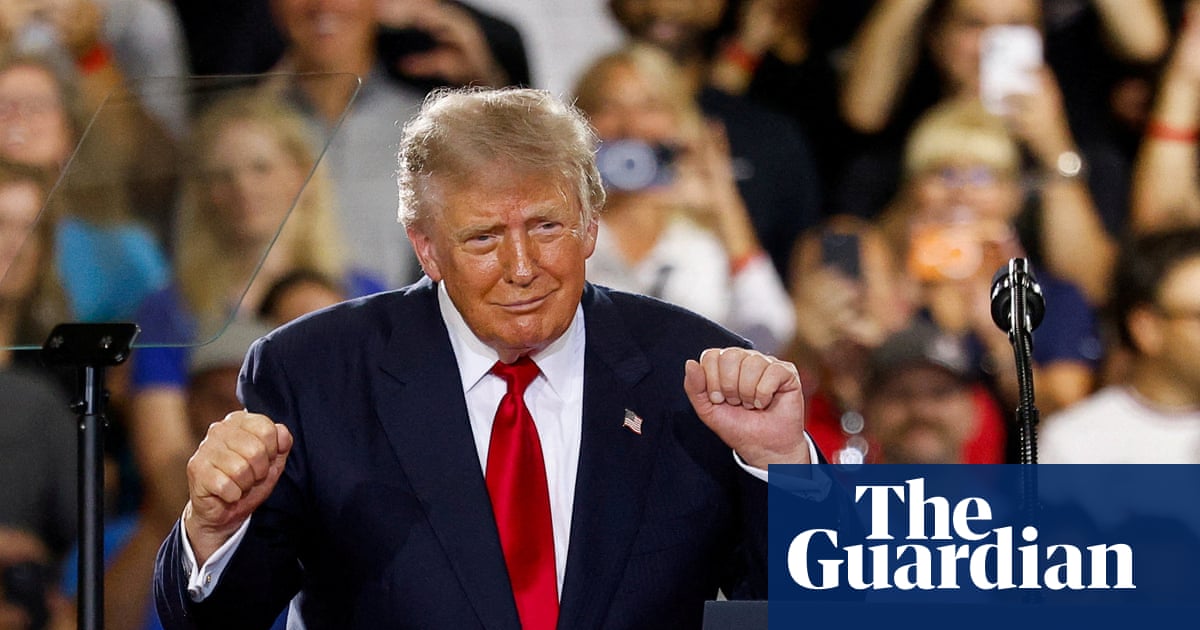
States Sue Trump Admin Over Sweeping Tariffs on 60 Nations
25 States Sue Trump Administration Over New Tariffs: What You Need to Know
What Happened?
A group of 25 states has taken the Trump administration to court over brand-new taxes on imported goods. Think of it like this: imagine you run a lemonade stand, and suddenly the government says you have to pay extra money for every lemon you buy from other countries. That’s basically what these tariffs (fancy word for "import taxes") do — they make things from other countries more expensive.
The states are asking a special court called the US Court of International Trade to do three things:
- Stop the tariffs immediately
- Declare them illegal
- Order refunds for money already paid
Why Are the States Suing?
IMPORTANT POINT
The states argue this is the same old trick in a new disguise. The Supreme Court already struck down similar tariffs in February. Now, the administration is trying again using a different legal excuse.
Here’s the core of their argument:
- It’s a tax on families — New York Attorney General Letitia James says these tariffs are "nothing more than a tax on hardworking families"
- Prices go up — Groceries, household essentials, building materials, and countless everyday goods become more expensive
- Presidential overreach — "The president does not have the power to impose sweeping tariffs on whatever countries he wants," says James
- Fake justification — The administration claims it’s about "forced labor," but the states call this a pretext (a made-up excuse)
What Are These Tariffs?
The Numbers
- Rate: 10% to 12.5% extra on imported goods
- Scope: 59 countries + the European Union
- Impact: Covers 99.4% of all US imports (basically everything we buy from abroad)
Major Countries Affected
- Canada
- Japan
- Norway
- Taiwan
- China
- And 54+ others
The Legal Tool Being Used
Section 301 of the Trade Act of 1974 — A law originally meant to target countries that use forced labor (think: people forced to work against their will).
The Legal Background: A Timeline
| Date | What Happened |
|---|---|
| February 2026 | Supreme Court rules "Liberation Day" tariffs unconstitutional |
| Spring 2026 | Temporary replacement tariffs expire |
| July 2026 | New tariffs take effect using Section 301 |
| July 2026 | 25 states file lawsuit |
| Same week | Small businesses file separate lawsuit (Liberty Justice Center) |
Who Is Involved?
The Plaintiffs (The States Suing)
23 State Attorneys General + 2 Governors:
| State | Representative |
|---|---|
| New York | AG Letitia James (lead) + Gov. Kathy Hochul |
| Arizona | AG |
| California | AG |
| Colorado | AG |
| Connecticut | AG |
| Delaware | AG |
| Hawaii | AG |
| Illinois | AG |
| Massachusetts | AG |
| Maryland | AG |
| Maine | AG |
| Michigan | AG |
| Minnesota | AG |
| Nevada | AG |
| New Jersey | AG |
| New Mexico | AG |
| North Carolina | AG |
| Oregon | AG |
| Rhode Island | AG |
| Virginia | AG |
| Vermont | AG |
| Washington | AG |
| Wisconsin | AG |
| Kentucky | Governor only |
| Pennsylvania | Governor only |
The Defendant
The Trump Administration — represented by White House spokesman Kush Desai
What Does the Administration Say?
The White House strongly disagrees with the lawsuit. Here’s their position:
"The United States is using its lawful authority to obtain the elimination of unreasonable acts, policies, and practices that burden US commerce." — Kush Desai, White House spokesman
Their arguments:
- Foreign countries aren’t doing enough to stop forced labor imports
- This hurts American workers and businesses
- Section 301 is a "legally durable tool" — used successfully in previous administration
- It’s about fairness — leveling the playing field
What Happens Next?
The Legal Process (Simplified)
- Court hears arguments from both sides
- Judges decide if tariffs can stay while case proceeds
- Possible outcomes:
- Tariffs blocked immediately (injunction)
- Tariffs allowed to continue during trial
- Case dismissed (unlikely given Supreme Court precedent)
- Final ruling — could take months
Related Case
Small businesses have filed their own separate lawsuit making similar arguments — this adds pressure on the administration.
Key Takeaways
QUICK REFERENCE
- 25 states + 2 governors = bipartisan coalition (mostly Democratic-led states)
- 99.4% of imports affected = almost everything from abroad
- Supreme Court already said no to similar tariffs in February
- Two lawsuits now — states AND small businesses
- Your wallet — expect higher prices on everyday items if tariffs stand
Summary
In plain English: The Trump administration tried a new way to tax imports after the Supreme Court blocked their last attempt. They’re using a 1974 law about forced labor as the excuse, but 25 states say it’s just a cover story to keep taxing imports from nearly every country on Earth.
The states argue this makes everything more expensive for regular people — groceries, clothes, building materials, you name it. The administration says it’s protecting American workers from unfair foreign competition.
Two lawsuits are now moving through the courts. The outcome will decide whether the president can essentially tax almost all imports without Congress approval.
FAQ
What exactly is a tariff?
A tariff is a tax on goods coming into a country from abroad. If a shirt costs $10 to import and there’s a 10% tariff, the importer pays $11. That extra dollar usually gets passed to you, the consumer, through higher prices.
Why did the Supreme Court block the previous tariffs?
The Court ruled the administration overstepped its authority — essentially saying the president can’t unilaterally impose massive, sweeping tariffs without clear congressional permission. The Constitution gives Congress power over taxes and trade.
What is "forced labor" and why does it matter here?
Forced labor means people compelled to work against their will (modern slavery). Section 301 lets the US punish countries that allow it. The administration says 60 countries aren’t doing enough to stop forced-labor goods. The states say this is just an excuse — the tariffs are too broad and not actually targeted at forced labor.
Will prices go up immediately?
Some already have. Importers started paying the new tariffs in July. Many businesses pass these costs to consumers within weeks or months. You’ll likely see it first on goods heavily imported from the affected countries: electronics, clothing, furniture, auto parts, and certain foods.
Can Congress stop this?
Yes! Congress has the constitutional power to regulate trade and taxes. They could pass a law:
- Approving the tariffs (making them legal)
- Blocking the tariffs
- Creating a new framework for trade enforcement
But Congress is often slow and politically divided, so courts usually act faster.