 11
11Hey there! Let’s talk about some weather that might happen soon, explained like you’re five years old.
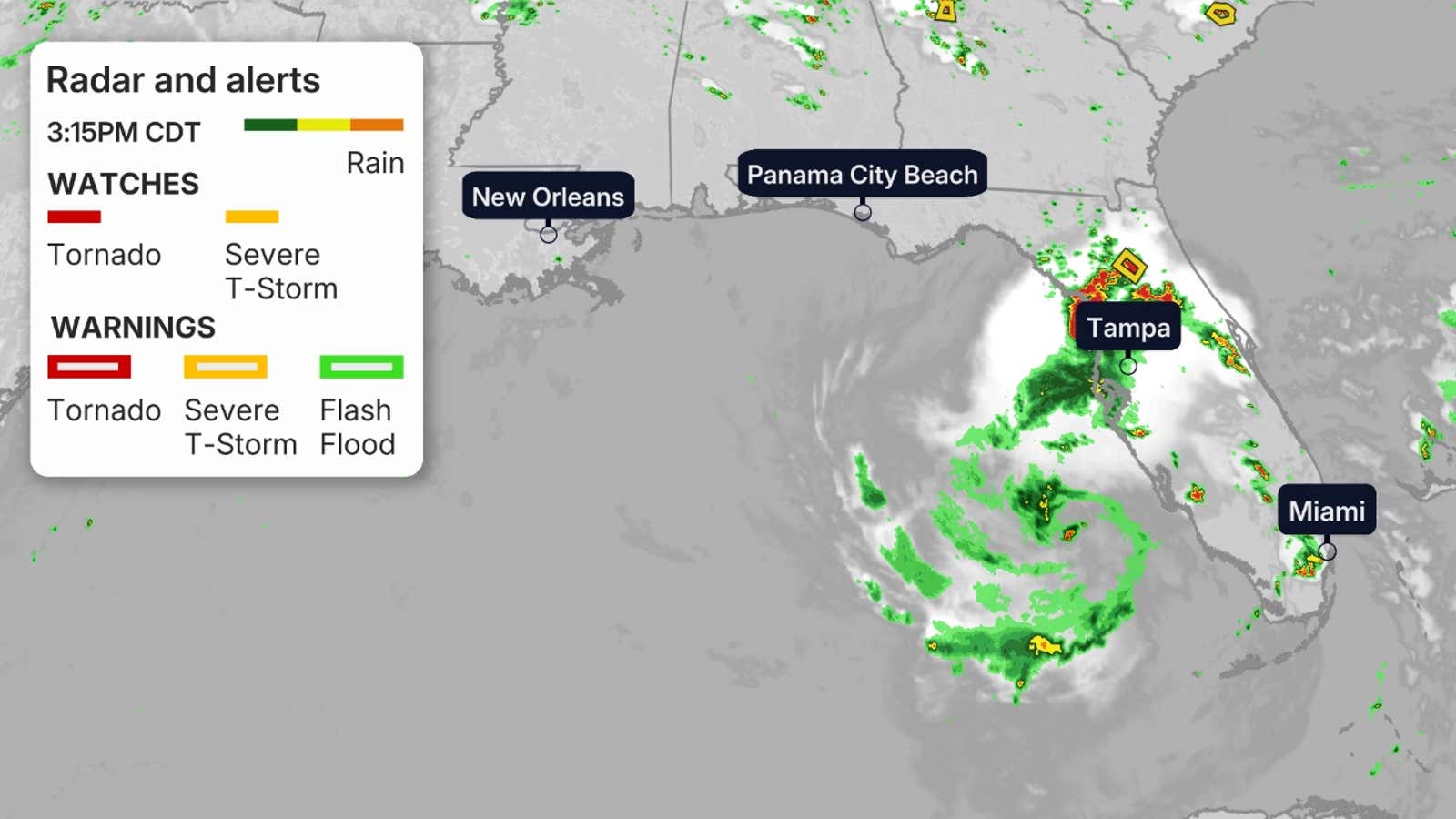
Right now, a swirl of air with lower pressure (think of it like a gentle spinning toy) is forming in the eastern part of the Gulf of Mexico, close to Florida. This spin has been making extra thunderstorm clouds over Florida.
The water in the northeast Gulf and off the Southeast coast is warmer than usual—some as warm as the upper 80s (in °F). Warm water is like food for thunderstorms, helping them grow.
Important Point: We are in hurricane season, and weather can change fast. Even if things seem calm now, keep an eye on updates!
After this weekend, here are three things the swirl might do:
For now, if you live near the Gulf or Southeast coast, there’s not too much to worry about. But it’s always smart to be ready for hurricane season before any storm shows up. (More on staying safe: How to stay safe in hurricane season)
The possible area(s) of tropical development according to the latest National Hurricane Center outlook are shown by polygons, color-coded by the chance of development over the next seven days. An "X" indicates the location of a current disturbance.
You don’t need a named storm to get a lot of rain in summer. Just regular summer weather can do it!
Many of these spots are dry (in drought) and need rain, but too much at once can cause flash flooding (sudden water in streets), especially in cities. (Safety tips: How to stay safe in a flash flood)
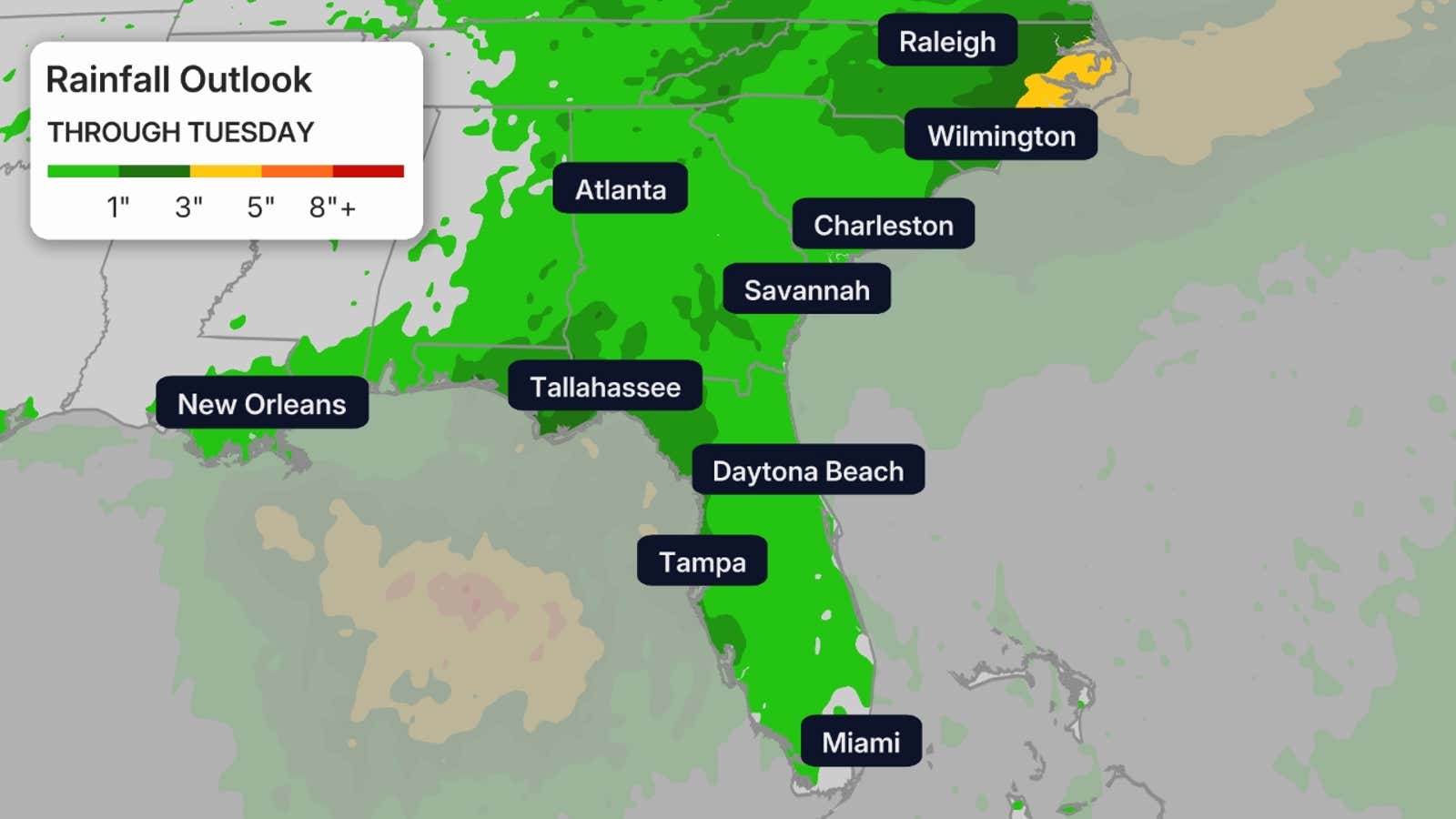
This is a broad outlook of where the heaviest rain may fall. Higher amounts may occur where bands of rain stall over a period of a few hours.
Far away near Africa, another group of storms (a tropical wave) is moving across the Atlantic and trying to get organized.
Important Point: Even far-away systems are worth watching, but they are not a big threat right now.
This article was written by Jonathan Erdman, a senior meteorologist at weather.com.
Q: What is a tropical depression?
A: It’s a weak storm with spinning winds that isn’t strong enough yet to be called a tropical storm.
Q: Do I need to evacuate now?
A: No. Right now there’s not much to worry about, but stay updated in case things change.
Q: Why is warm water important?
A: Warm water acts like fuel for thunderstorms and helps storms get stronger.
Q: What is flash flooding?
A: It’s when heavy rain makes water rise very fast in streets and low areas, which can be dangerous.
Q: What is wind shear?
A: It’s when winds at different heights blow in different directions and can tear a storm apart.