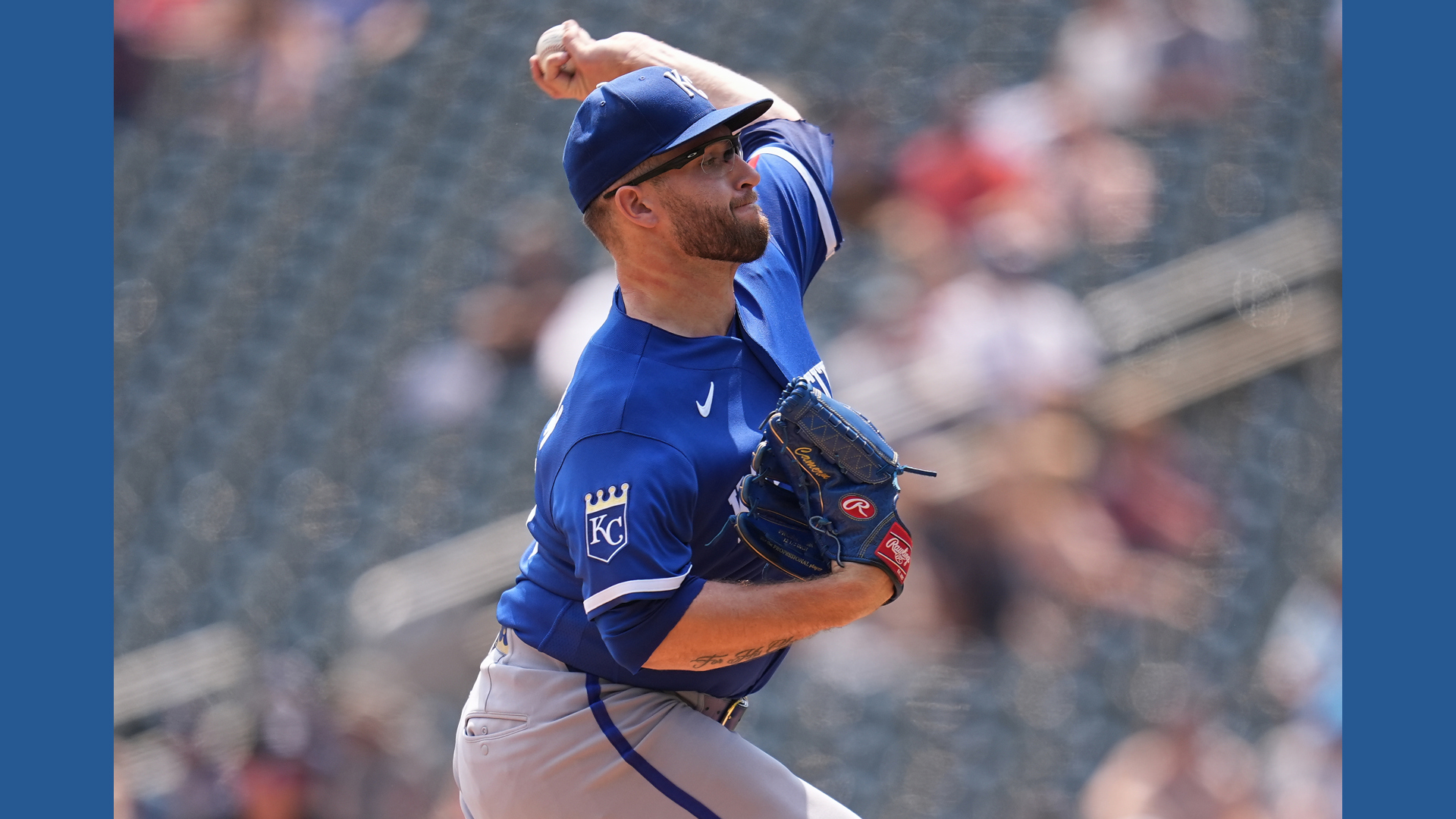
Royals’ Cameron Flirts with History: No-Hitter Through 6 vs Twins
Royals Pitcher Noah Cameron Comes One Hit Away From Baseball History
What Happened in Minneapolis?
On Thursday afternoon, something special almost happened at the Minnesota Twins’ ballpark. Noah Cameron, a left-handed pitcher for the Kansas City Royals, took a no-hitter into the seventh inning. That means for six full innings, not a single Twins player managed to get a hit off him!
What is a no-hitter?
A no-hitter is when a pitcher (or group of pitchers) doesn’t allow any hits during an entire game. It’s one of the rarest and most exciting achievements in baseball — like bowling a perfect 300 game, but way harder!
The Game in Simple Steps
- First six innings: Cameron was nearly perfect. He threw only 72 pitches (that’s very efficient!), walked just two batters, and struck out five.
- The close call in the 6th: With two outs in the sixth inning, Twins batter Ryan Kreidler hit a slow dribbler in front of home plate. Royals catcher Salvador Perez (who is 36 years old!) sprinted forward, grabbed the ball, and made an amazing underhand toss to first base while falling onto the grass. The runner was out, and the no-hitter stayed alive!
- The 7th inning: Ryan Jeffers stepped up to bat first. On an 0-2 count (two strikes, no balls), Cameron threw a changeup. Jeffers hit a clean single to right-center field. No-hitter over.
- But Cameron kept going: He didn’t get rattled. He got the next three outs in a row, finishing seven shutout innings (zero runs allowed).
Why This Is a Big Deal
Important Points to Remember
- Cameron has now thrown 15 consecutive scoreless innings — that’s like not letting the other team score for a game and a half!
- He matched his career-long outing of seven innings (he also did this once last year in relief).
- The night before, another Royals pitcher, Randy Dobnak, also threw seven scoreless innings. That’s two nights in a row of amazing starting pitching!
- Last season, Cameron went 9-7 with a 2.99 ERA and finished 4th in Rookie of the Year voting.
- In his MLB debut on April 30, 2025, he threw 6⅓ no-hit innings against Tampa Bay. This kid has a history of almost-there no-hitters!
Baseball Terms Explained Simply
- ERA (Earned Run Average): The average number of runs a pitcher gives up per 9 innings. Lower is better. 2.99 is excellent!
- Shutout: When a pitcher (or team) doesn’t allow any runs for the whole game.
- Opener: A strategy where a relief pitcher starts the game for just 1-2 innings before the "real" starter comes in.
- Changeup: A slow pitch that looks like a fastball but arrives later to trick the batter.
Cameron’s Journey So Far
- Age: 27 (a bit older for a "rookie," but he took his time developing)
- 2024 Season: 24 starts, 9 wins, 2.99 ERA — one of the best first seasons ever for a Royals pitcher
- Rookie of the Year: Finished 4th in voting (very impressive!)
- Debut: April 30, 2025 vs. Tampa Bay — 6⅓ no-hit innings, 3-0 win
- This Game: 7 innings, 1 hit, 0 runs, 2 walks, 5 strikeouts, 72 pitches
Summary
Noah Cameron came one out in the seventh inning away from throwing a no-hitter — one of baseball’s rarest feats. While Ryan Jeffers’ single ended the bid, Cameron responded like a pro: he buckled down, got three straight outs, and completed seven dominant, scoreless innings. This continues a remarkable stretch where he hasn’t allowed a run in 15 straight innings. Combined with Randy Dobnak’s gem the night before, the Royals’ starting rotation is clicking at exactly the right time. Cameron’s poise, efficiency (only 72 pitches!), and ability to bounce back from disappointment show why he was a Rookie of the Year finalist last year — and why he might have even bigger things ahead.
FAQ
Q: How rare is a no-hitter in baseball?
A: Very! There have been fewer than 325 official no-hitters in MLB history since 1876. That’s roughly two per season across all 30 teams.
Q: What’s the difference between a no-hitter and a perfect game?
A: In a no-hitter, no hits are allowed, but batters can reach base via walks, errors, or hit-by-pitches. In a perfect game, no one reaches base at all — 27 up, 27 down. Much rarer!
Q: Why did Cameron only throw 72 pitches in 6 innings?
A: He was efficient — getting quick outs, not walking many batters, and inducing weak contact. Fewer pitches means he can stay in the game longer.
Q: What does "0-2 changeup" mean?
A: The count was 0 balls, 2 strikes (the pitcher was ahead). A changeup is a slower pitch meant to look like a fastball. Jeffers timed it well enough to get a hit.
Q: Can a pitcher still get credit for a "complete game" if they don’t finish 9 innings?
A: No. A complete game requires pitching all 9 innings (or 8 if the home team is winning). Cameron pitched 7 — a "quality start" (6+ innings, 3 or fewer runs), but not a complete game.