World’s 3rd Smallest Country Just Renamed Itself Naoero
Nauru Changes Its Name to Naoero: A Simple Guide
What Happened?
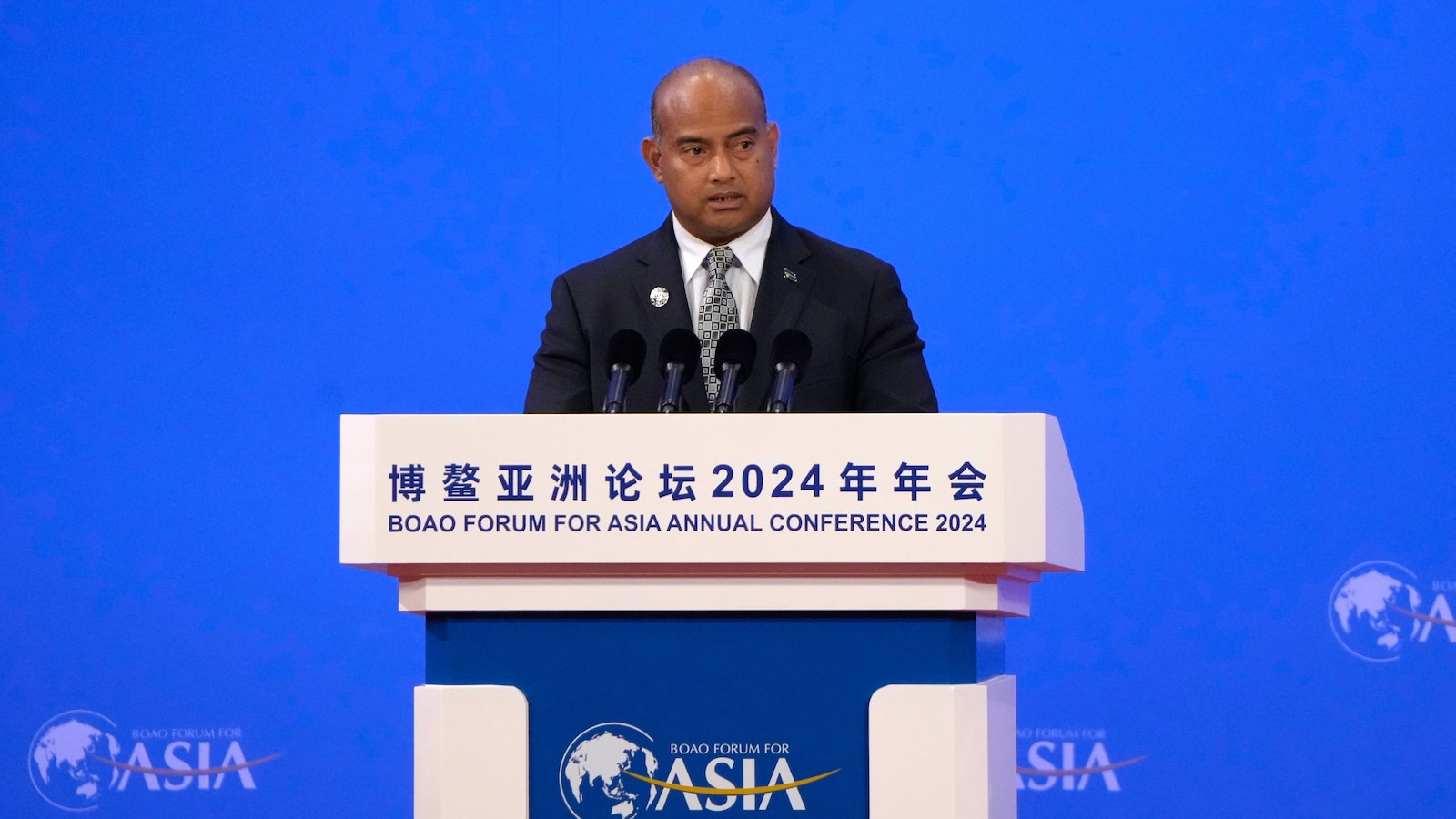
The tiny Pacific Island nation of Nauru has officially changed its name to the Republic of Naoero (pronounced Now-ero). President David Adeang announced the switch to honor the country’s traditional name and language.
Key Fact: The name "Nauru" was an easier version for foreigners to say. "Naoero" is how locals have always said it.
Why Did They Change the Name?
The government gave several reasons:
- Honoring Heritage: The name Naoero matches the spelling and pronunciation in the national language.
- Reclaiming Identity: The old name was a "matter of convenience" for outsiders, not a choice by the people.
- National Pride: President Adeang called it "the beginning of renewed national pride."
- Already Official: The name appears on the national coat of arms and is used daily in the community.
What Actually Changes?
Here are the practical differences you’ll notice:
| Old | New |
|---|---|
| Country Name: Republic of Nauru | Republic of Naoero |
| International Code: NRU | NRO |
| Demonym (what you call the people): Nauruan | dei-Naoero |
| Pronunciation: Now-roo | Now-ero |
- Ships and planes will be re-registered with the new name.
- International bodies (like the UN) are updating their records.
A Quick History of Nauru (Naoero)
- Tiny but Mighty: With ~12,000 residents, it’s the third-smallest country by population (after Tuvalu and Vatican City).
- Colonial Past: Germany colonized it; later, Australia administered it.
- Independence: Became a republic in 1968.
- Phosphate Boom & Bust: Mining made the island wealthy in the 1970s, but when the phosphate ran out in the 1990s, the economy nearly collapsed.
- Climate Threat: Today, rising seas put the island at extreme risk. The government is selling citizenship to fund moving people and infrastructure inland.
How the Decision Was Made
- January: President Adeang proposed a constitutional amendment to Parliament.
- Two Rounds of Voting: Lawmakers approved the change twice (as required).
- Referendum Planned: The government initially said they’d hold a public vote.
- Referendum Canceled: After "extensive discussions," leaders decided a vote wasn’t needed because the name Naoero was "never lost, but rather waiting to be fully embraced."
Important Points
- The Constitution already allowed the name Naoero.
- The change is part of a global trend: Eswatini (formerly Swaziland) and Türkiye (formerly Turkey) did similar things to shed colonial or anglicized names.
- The UN, Australia, New Zealand, the US, and China have already updated their official records.
Summary
Nauru is now officially Naoero. It’s a symbolic but powerful move to reclaim the nation’s true identity, language, and history. While the country faces huge challenges from climate change, this name change signals a new chapter of self-determination and pride. The world’s maps, databases, and diplomatic channels are already updating to NRO and dei-Naoero.
FAQ
1. How do I pronounce "Naoero"?
Say "Now-ero" (rhymes with "hero"). The old pronunciation was "Now-roo."
2. Do I have to call people "dei-Naoero" now?
Yes, that is the new official demonym (the word for a citizen/national). "Nauruan" is the old term.
3. Why didn’t they hold the referendum they promised?
The government stated that after talking extensively with the community, they realized the name Naoero was already universally used and loved at home. A vote to confirm something that never went away wasn’t necessary.
4. Will this affect my travel or visa to the country?
Not immediately. Airlines and immigration systems will update codes (NRU → NRO) over time. Check with your travel agent or embassy for the latest entry requirements.
5. Is this just a publicity stunt?
No. It’s a formal constitutional change backed by Parliament. It aligns the country’s international legal identity with its actual cultural identity, joining a global movement of decolonizing place names.