France Ablaze: Will Leaders Finally Face the Climate Crisis?
France’s Wildfires and the Climate Election: What’s Happening and Why It Matters
What’s Going On in France Right Now?
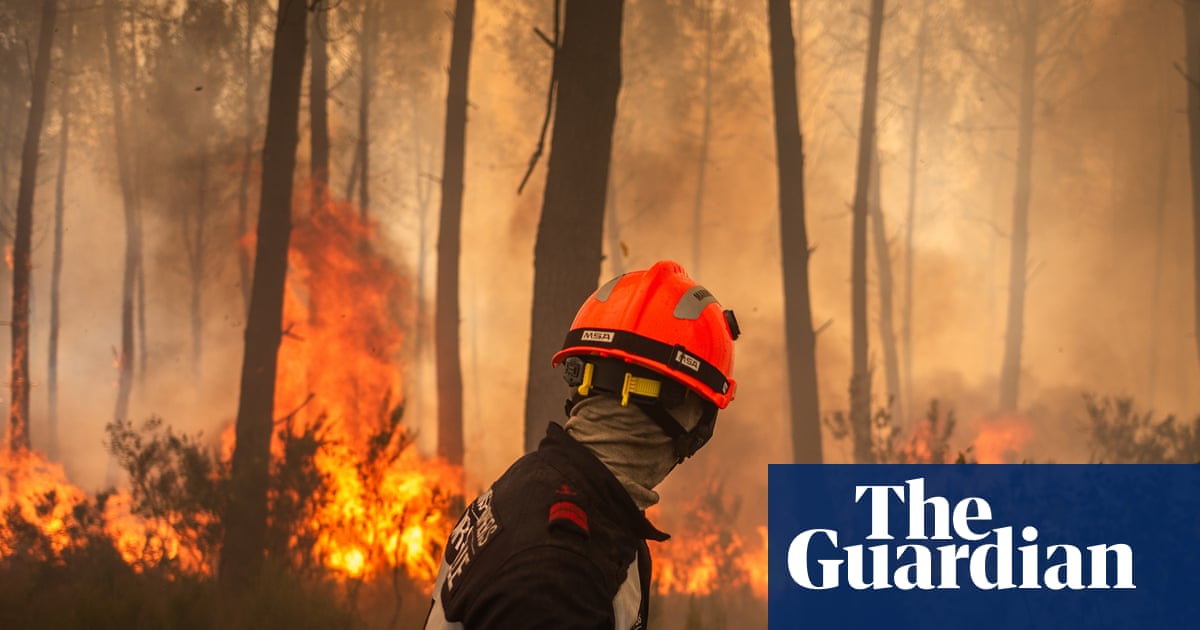
Imagine it’s the hottest summer you can remember. Now imagine it happening four times in one season. That’s what France is going through right now.
- Dozens of wildfires are burning across the country at the same time
- A massive fire in Gironde (near Bordeaux) has burned an area four times the size of Paris
- 260,000 people have been forced to leave their homes — that’s like emptying a medium-sized city!
- The air is so thick with smoke that even pregnant women are being told by doctors to stay away
IMPORTANT POINT
This isn’t just "bad weather." Climate experts say these fires were predictable — they’re exactly what happens when temperatures keep rising year after year.
The Political Response: Who’s Saying What?
Marine Tondelier (Green Party Leader)
- 7 months pregnant and had to cut her tour short because doctors said: "Don’t breathe that smoke!"
- Asked for cross-party crisis talks — basically, "Everyone put aside differences and deal with this NOW"
- Wants a "climate welfare state" — government protection for people whose lives are being upended by climate disasters
- Says the political class has its "head in the sand"
Emmanuel Macron (President)
- Flew to Bordeaux to the crisis center
- Called it France’s "hardest situation since World War II"
- Used war vocabulary (like he did during COVID)
- Said: "Not the time for lessons while we’re in full battle"
- Called the fires "totally atypical" (unusual) — but experts disagree
Marine Le Pen (Far-Right National Rally Leader)
- 2022: "I’ve never been a climate skeptic"
- 2023: Called the UN’s climate panel "alarmist"
- Her party has opposed the EU Green Deal (plan to make Europe carbon-neutral by 2050)
- This week: Focused on firefighter heroism and underfunding of fire services — not long-term climate action
Jean-Luc Mélenchon (Radical Left Candidate)
- Proposed reorganizing French regions into "eco-regions"
- Goal: Manage water supply and deal with climate crisis at a local level
Why This Matters for Next Year’s Election
Here’s the tricky part: Election manifestos (promises) won’t be finalized until winter.
| Timeline | What Happens |
|---|---|
| Now (Summer) | Fires burning, evacuations, emergency response |
| Fall | Media attention shifts, fires fade from headlines |
| Winter | Parties release climate plans for election |
| Spring | Presidential election |
IMPORTANT POINT
Climate campaigners worry: By winter, will anyone remember the smoke? If the fires are "yesterday’s news," politicians might not feel pressure to make bold climate promises.
The Big Picture: Quick Fixes vs. Real Change
What Politicians ARE Talking About (Short-Term)
- Budgets for emergency services
- More water-bombing planes
- Crisis planning for next fire
- Firefighter funding
What Politicians AREN’T Talking About Much (Long-Term)
- Cutting emissions (the root cause)
- Changing how society works — transport, energy, agriculture
- Preparing for a hotter future structurally
Professor Rémi Lefebvre (University of Lille) puts it simply:
"French politics has shown itself to be too short-termist — it only thinks about the next crisis, not the next decade. Serious fires in previous years didn’t change direction. I’m not convinced this will either."
But he also notes: Le Pen doesn’t deny climate change anymore — "that’s no longer possible… we’ve passed that point." The problem now isn’t denial — it’s inaction.
How Regular People Feel
Many French citizens feel: "The people in charge are powerless to react."
It’s like watching a slow-motion car crash where the drivers keep arguing about who pays for the tow truck instead of fixing the brakes.
Summary
- France is burning — fourth heatwave, massive fires, 260,000 evacuated
- Green leader demands emergency climate action — gets ignored
- President calls it "war" but says "no time for lessons"
- Far-right focuses on firefighters, not root causes — despite past climate skepticism
- Left proposes structural "eco-regions"
- Election is next spring — but climate plans come in winter, when fires may be forgotten
- Experts say: predictable, not atypical — and politics is too short-term to fix it
FAQ
Q: Why does Marine Tondelier want a "climate welfare state"?
A: Think of it like social security, but for climate disasters. If your house burns down or your crops fail because of extreme heat (caused by climate change), the government helps you rebuild and adapt — because it’s not your fault the climate is changing.
Q: Has Marine Le Pen changed her mind on climate change?
A: Sort of. She no longer denies it exists (that’s politically impossible now), but her party still opposes the main EU plan to fix it (the Green Deal). Actions speak louder than words.
Q: Why don’t politicians focus on long-term solutions during a crisis?
A: Two reasons: (1) Emergencies demand immediate attention — you put out the fire first. (2) Long-term fixes are hard, expensive, and unpopular — they require changing how people live, vote, and spend money. Short-term fixes get votes; long-term ones get arguments.
Q: What are "eco-regions" that Mélenchon proposed?
A: Instead of current administrative regions (drawn centuries ago), France would be reorganized around natural systems — watersheds, forests, climate zones. So water management, fire prevention, and farming all work with nature, not against it.
Q: Will these fires actually change the election?
A: Professor Lefebvre doubts it. French politics has a "short memory" — past fire seasons didn’t shift the system. But: climate will be talked about more. The question is whether talk becomes action.