 11
11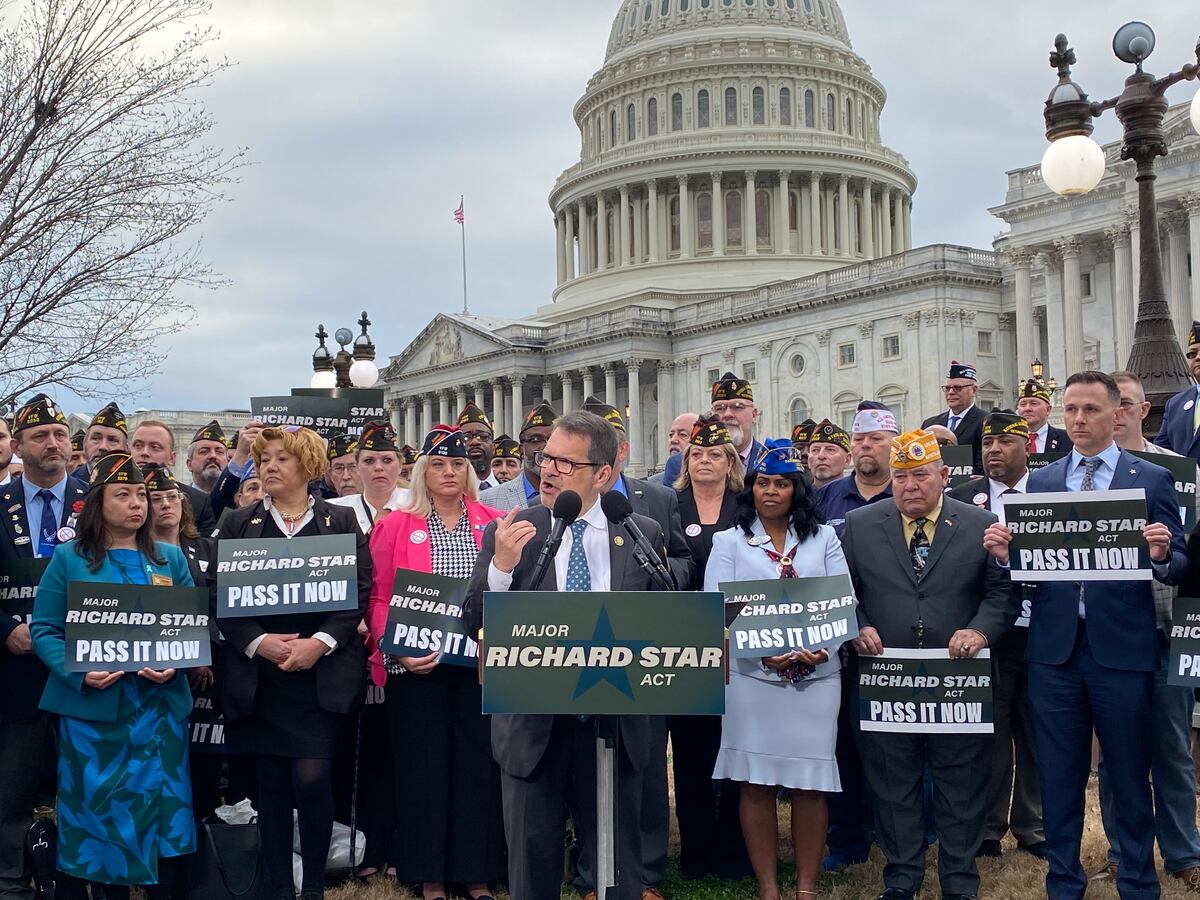
Imagine the U.S. House of Representatives (one part of the group that makes the country’s laws) as a classroom. They were supposed to vote on a big set of rules to help veterans (people who served in the military). But things got messy! On Thursday, they:
After more than an hour of loud, heated discussion about a bill called the Take Care of America’s Veterans Act, something unexpected happened:
The vote count was super close:
Important Point: Even though the "send it back" idea failed, House leaders still pulled the bill. Johnson said the final decision will be delayed for several weeks.
Johnson blamed “misinformation” (wrong or confusing info) about the bill. He told reporters:
“Our Veterans Affairs Committee has done a great job engaging with veterans … There still remains, though, a lot of misinformation out there, so instead of putting the bill on the floor this afternoon, we’re gonna delay it just a bit. We’re gonna have several more weeks ahead of us before we get back here in September would be my guess when we process all this again.”
Punchbowl News reported that Johnson pointed to this misinformation as his reason to hold the vote.
The bill’s official name is Take Care of America’s Veterans Act, H.R. 9237. Think of it as a box containing more than 60 smaller laws. Many are popular with veterans, like:
But here’s the tricky part — how to pay for it:
Supporters say:
Critics say:
At least 22 veterans groups support the bill. On Tuesday, Mario Marquez (American Legion) said it’s the best path forward:
“Leadership is about carefully evaluating the facts making difficult decisions and accepting responsibility for those actions and those decisions. Progress only happens when leaders are willing to tackle difficult issues and keep veterans at the center of the conversation.”
But other groups, like VFW and Disabled American Veterans, strongly oppose it. Pat Murray (VFW) lost a leg in Iraq and would get more money from the bill, but said:
“We support the provisions of the Major Richard Star Act and we want the full act passed because that is what veterans deserve” — but not “at the expense of others.”
Before Thursday’s vote, two leaders of the Veterans Affairs Committee argued:
VA officials told Military Times they will follow through on the tinnitus part:
For sleep apnea:
Important Point: Bost warned that if VA makes the 2022 rule without his bill, the saved money ($57 billion over 10 years estimated) goes to the Treasury (general government piggy bank), NOT specifically to veterans.
The House rejected a last-minute try to send the veterans bill back to committee (210–211, with one Republican flipping her vote). Instead of voting, leaders delayed the whole thing for weeks due to “misinformation.” The bill packs 60+ helpful veterans’ laws but pays for them by changing sleep apnea and tinnitus disability rules — splitting the veteran community. Supporters say it’s the only way; critics say don’t cut future benefits. Expect the fight to continue in September.
Q: What is the Take Care of America’s Veterans Act?
A: It’s a bill (H.R. 9237) with over 60 veteran-related laws, including better pay for injured retirees and benefits for widows, but it pays for them by changing two disability rules.
Q: Why was the vote postponed?
A: House Speaker Johnson said there’s too much misinformation, so they’ll wait several weeks (likely until September) to vote.
Q: What are sleep apnea and tinnitus?
A: Sleep apnea is when breathing stops during sleep; tinnitus is ringing in the ears. Both are common in veterans and currently get disability pay.
Q: Who supports and who opposes the payment plan?
A: 22+ groups like the American Legion support it; VFW and Disabled American Veterans lead opposition, joined by some Democrats.
Q: What happens to the $57 billion if the rule passes without the bill?
A: The money saved would go to the Treasury Department, not be set aside for veterans.



