Breathing Smoke? See Exactly Where WA Wildfires Are Choking Air Right Now
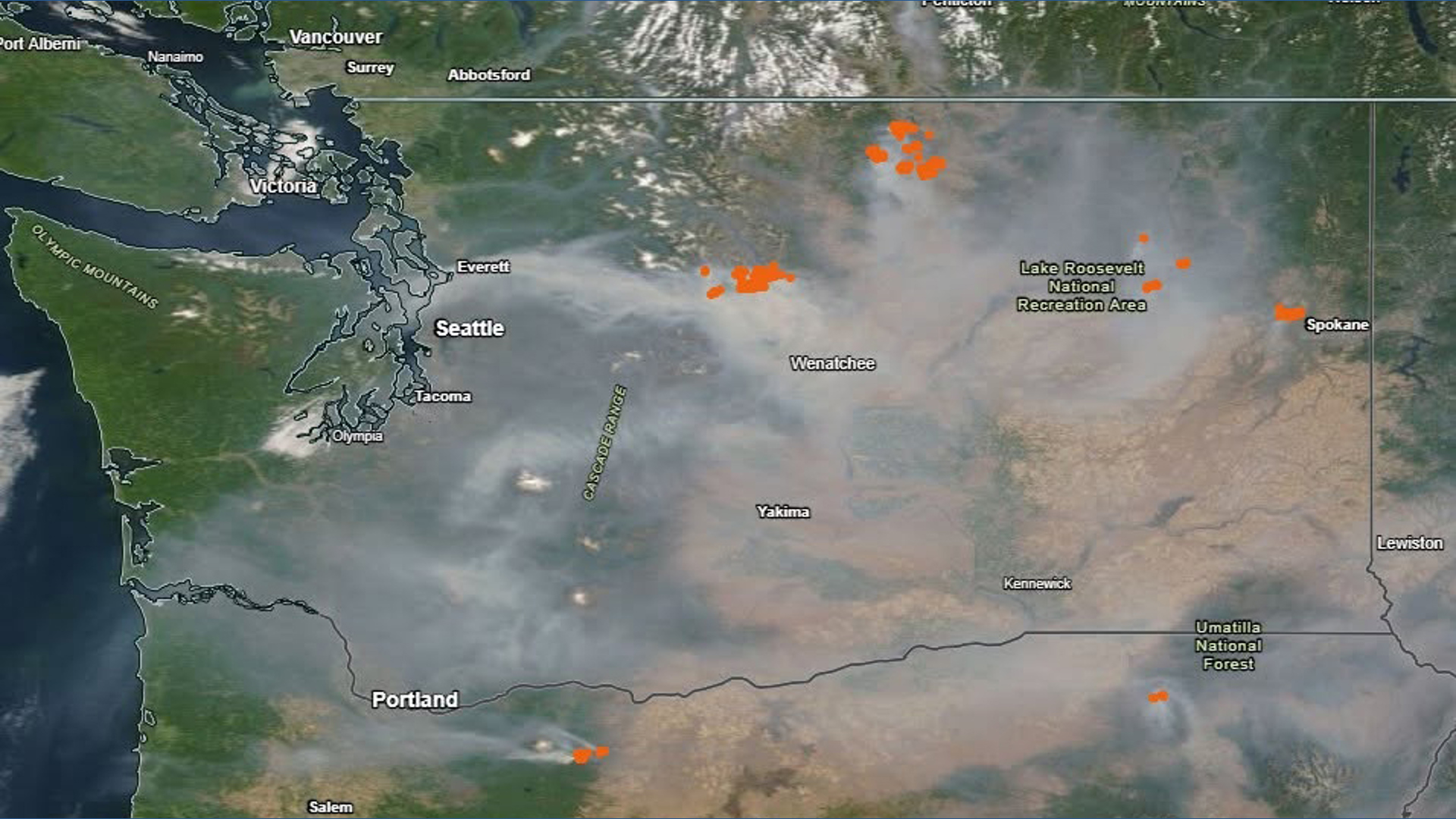
Wildfire Smoke Makes Air Unhealthy Across Washington State
Quick Summary: Big wildfires are burning across Washington, sending thick smoke into the air. This makes the air dangerous to breathe in many areas, especially eastern and central parts of the state. Officials have issued alerts telling people to stay indoors and keep windows closed.
What Is Happening Right Now?
Imagine a campfire that gets way too big and won’t go out. Now imagine dozens of those fires burning at the same time across forests and grasslands. That’s what’s happening in Washington state right now.
The smoke from these fires doesn’t just stay near the flames—it travels on the wind, covering cities and towns far away from the actual fire. This smoke is full of tiny particles that can hurt your lungs and make it hard to breathe.
The Major Fires Burning Right Now
Here are the biggest fires causing all this smoke:
| Fire Name | Location | What We Know |
|---|---|---|
| Spokane Complex Fires | Near Spokane (eastern WA) | Multiple fires burning together |
| Old Trails Fire | Part of Spokane Complex | Destroyed 700+ buildings • 65,000 people evacuated |
| Little Giant Fire | Central Washington | Growing rapidly |
| Sinlahekin Fire | North-central Washington | Active and spreading |
IMPORTANT: The Old Trails Fire alone has forced about 65,000 people to leave their homes—that’s like emptying a whole medium-sized city!
Why Did the Fires Get So Bad So Fast?
The National Weather Service issued a special "Particularly Dangerous Situation" alert on Saturday. This is like a "code red" for fire danger. Three things came together at once:
- Strong winds — Pushed flames faster than firefighters could keep up
- Very low humidity — Air was super dry, so plants and trees burned easily
- Dry vegetation — Grasses, bushes, and trees were like ready-to-light kindling
When these three things happen together, even a tiny spark can start a massive fire that spreads in minutes.
Air Quality: What You Need to Know
Current Conditions (As of Monday)
- Wenatchee & Chelan areas: Very Unhealthy to Hazardous — worst levels
- Most of eastern Washington: Unhealthy air expected to continue
- Western WA (Seattle, Tacoma, Olympia areas): Alert in effect until Wednesday at 5 PM
What Do These Air Quality Levels Mean?
| Level | What It Means | What To Do |
|---|---|---|
| Good | Air is clean | Normal activities fine |
| Moderate | Some pollutants | Sensitive people: limit outdoor time |
| Unhealthy for Sensitive Groups | Kids, elderly, asthma sufferers at risk | Stay inside if you have breathing issues |
| Unhealthy | Everyone may feel effects | Stay indoors, close windows |
| Very Unhealthy | Health alert for everyone | Avoid all outdoor activity |
| Hazardous | Emergency conditions | Stay inside, use air filters if possible |
Where Are Alerts in Effect?
Until Further Notice (Eastern Washington)
- Spokane area
- Wenatchee area
- Chelan area
- Most of eastern Washington
Until Wednesday at 5 PM (Western Washington)
- King County (Seattle)
- Kitsap County
- Pierce County (Tacoma)
- Snohomish County (Everett)
- Thurston County (Olympia)
Also Affected
- Oregon (much of the state)
- Idaho (much of the state)
- Montana (parts)
How to Protect Yourself and Your Family
Right Now (Do These Today)
- Stay indoors as much as possible
- Close all windows and doors — keep smoke out
- Run air conditioning on "recirculate" mode if you have it
- Use an air purifier with a HEPA filter if you own one
- Avoid exercise outdoors — even healthy people can get sick
- Check on neighbors — especially elderly or those with health conditions
If You Must Go Outside
- Wear an N95 or KN95 mask (cloth masks don’t filter smoke particles)
- Limit time outside to essential trips only
- Keep car windows rolled up and AC on recirculate
For Sensitive Groups (Extra Important!)
CALL YOUR DOCTOR IF YOU HAVE:
- Asthma, COPD, or other lung conditions
- Heart disease
- Are pregnant
- Are caring for young children or elderly relatives
You may need extra medication or a specific action plan.
How to Check Air Quality Yourself
You don’t have to guess—there are free tools that show real-time air quality:
Best Free Resources:
- AirNow.gov — Official government site (run by EPA, NOAA, and other agencies)
- AirNow Fire & Smoke Map — Shows fires AND smoke together
- Weather apps — Most now include AQI (Air Quality Index)
- Local news — KING5 and other stations post regular updates
Pro Tip: Bookmark fire.airnow.gov on your phone. It shows a map with color-coded dots—green is good, red/purple/maroon means stay inside!
How to Help People Affected by the Fires
Thousands of families have lost homes or had to flee with just minutes’ notice. Here’s how to help:
- Donate money to trusted organizations (Red Cross, local food banks, United Way)
- Donate goods only if specifically requested — money is usually more helpful
- Volunteer through official channels — don’t self-deploy to fire zones
- Share official information — help neighbors know where to find updates
Verified Donation Link: Northwest Response: Help Washington Wildfire Victims
Summary: Key Takeaways
| What to Remember |
|---|
| Multiple large fires are burning across Washington state |
| Smoke has made air unhealthy or hazardous in eastern/central WA |
| Air quality alerts cover most of the state — some until further notice |
| 65,000+ people evacuated from Spokane area alone |
| Stay indoors, close windows, filter air if you’re in affected areas |
| Check AirNow.gov for real-time conditions near you |
| Help neighbors — especially vulnerable people |
Frequently Asked Questions
1. How long will the bad air last?
It depends on the fires and the wind. Eastern Washington alerts are "until further notice." Western Washington alerts go until Wednesday at 5 PM, but could be extended. Rain and wind changes help clear smoke—watch the forecast.
2. Is it safe for my kids to play outside?
No, not when air quality is Unhealthy (red) or worse. Children breathe more air per pound of body weight than adults, so smoke affects them more. Keep them indoors with filtered air.
3. Will a regular cloth mask or surgical mask protect me from smoke?
No. Smoke particles are tiny (called PM2.5 — 2.5 microns or smaller). Cloth and surgical masks don’t filter them. You need an N95, KN95, or P100 respirator that fits tightly to your face.
4. My eyes/throat hurt from the smoke. What should I do?
- Go indoors to filtered air immediately
- Drink water to stay hydrated
- Use artificial tears for irritated eyes
- Call a doctor if you have trouble breathing, chest pain, or symptoms don’t improve indoors
5. How do I know if the air is getting better or worse?
Check AirNow.gov or the AirNow app hourly. The map updates regularly. You can also sign up for alerts from your local air quality agency or National Weather Service.
Related Resources
- Current Fires in Washington State — Full list of active fires
- AirNow Fire & Smoke Map — Real-time air quality + fire locations
- National Weather Service Alerts — Official weather alerts for your area
Stay safe, stay informed, and take care of each other.