11
11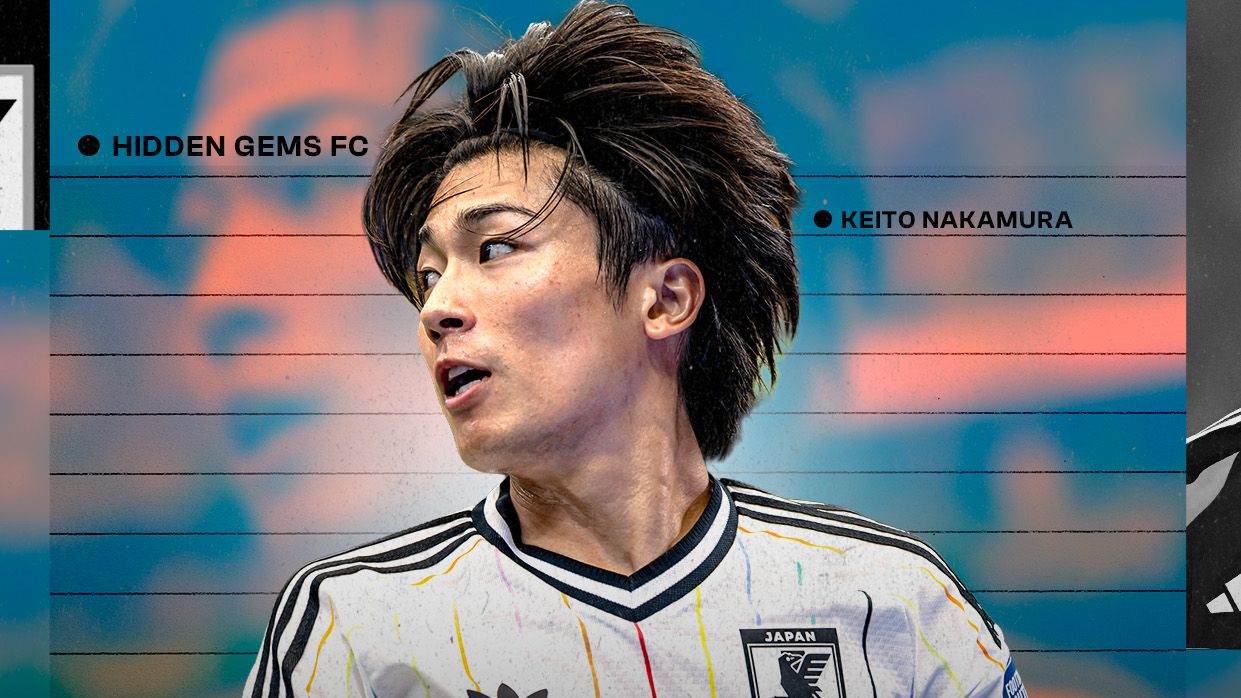.jpg "Premier League Giants Battle for Japanese World Cup Hero")
TL;DR: Keito Nakamura is a Japanese winger who scored a stunning goal at the World Cup, trained with ping-pong balls as a kid, played street football in Brazil, battled through three European clubs before finding his form in Austria, became a hero at Stade Reims in France, and now has Premier League clubs chasing his signature.
Imagine being 17 years old and everyone calling you "the next big thing" in Japanese football. That was Keito Nakamura.
He made his professional debut almost immediately—a sign that coaches saw something special.
At the 2022 World Cup, Japan captured hearts worldwide. They fought hard but lost to Brazil in the Round of 16. Players cried on the pitch. Coach Hajime Moriyasu gave an emotional speech that went viral.
But before that heartbreak, Nakamura stole the show in the group stage against the Netherlands:
| Moment | Details |
|---|---|
| The Goal | Dribbled left → cut inside → smashed a right-footed shot near-post |
| The Keeper | Beat Bart Verbruggen (Dutch goalkeeper) |
| The Result | Japan drew 2–2 with the Dutch |
IMPORTANT: THIS IS HIS SIGNATURE MOVE
Nakamura’s trademark: Receive on the left flank → dribble inward → shift to right foot → strike hard and low. It’s simple, practiced a thousand times, and deadly effective.
How do you get that kind of technique? For Nakamura, it started in his living room.
A Japanese TV show (NHK NEWS Ohayo Nippon) aired home video footage of young Keito. His mother stood tossing ping-pong balls at him. His job? Pluck each one out of the air, over and over.
"Honestly, that turned out to be an incredibly good exercise for hitting the ball right in the sweet spot. To be honest, I noticed that my volleys improved enormously as a result."
— Keito Nakamura
Why ping-pong balls?
His parents supported him completely. Which brings us to his boldest childhood request…
At age 7, Nakamura begged his parents to take him to Brazil. Not Disneyland. Not a beach resort. Brazil—for football.
"I was a huge fan of Ronaldinho and enchanted by Brazilian football. I wanted to experience it at the source and play with the local kids."
So they went. And he played Joga Bonito ("play beautifully") in the streets.
| Lesson | What It Means |
|---|---|
| Football is everywhere | Kids played all day, every day. No formal drills—just instinct. |
| Joy first | "They just move instinctively, doing whatever feels natural in the moment." |
| Community | At the airport, he started juggling. Security guards joined in. Five or six people, laughing, keeping the ball up together. |
"Looking back, I realise how unusual that was. As a child, I learned a lot from that style of play."
That Brazilian flair—creativity, freedom, joy—stayed with him forever.
Success didn’t come instantly in Europe. Nakamura’s path had detours and dead ends.
| Year | Club | Country | What Happened |
|---|---|---|---|
| 2018 | Gamba Osaka | Japan | Pro debut at 17 |
| 2019–2020 | FC Twente | Netherlands | Struggled to settle (loan) |
| 2020–2021 | Sint-Truiden | Belgium | Still adapting (loan) |
| 2021–2023 | LASK Linz | Austria | BREAKTHROUGH |
| 2023–Present | Stade Reims | France | Star player, now in Ligue 2 |
THE LESSON: Even top prospects need time. Two loans didn’t work. The third club changed everything.
At LASK Linz, Nakamura finally clicked. In just 59 games:
This form earned him a move to Stade Reims in France’s top flight (Ligue 1).
Reims had a terrible season. They scored only 33 league goals total.
| Nakamura’s Contribution | Team Total | His Share |
|---|---|---|
| 11 goals + 2 assists | 33 goals | > 1/3 of all goals! |
Despite his heroics, Reims lost the relegation playoff to Metz and dropped to Ligue 2 (second division).
He’s too good for this level. Everyone knows it.
Nakamura’s contract runs until 2026, but reports say he’ll leave within a month. Interested clubs include:
| Club | League | Why It Fits |
|---|---|---|
| Olympique Marseille | Ligue 1 (France) | Step up, European football |
| Everton | Premier League (England) | Need creativity, known for signing Japanese stars |
| Bournemouth | Premier League (England) | Attacking system suits him |
| Fulham | Premier League (England) | Technical wingers thrive here |
Fun Fact: In Asia, Nakamura is widely regarded as one of the world’s most handsome footballers. (Yes, really.)
| Quality | Why It Matters |
|---|---|
| Technical excellence | Ping-pong ball drills → elite ball striking |
| Brazilian flair | Street football → creativity under pressure |
| Resilience | Failed at 2 clubs → exploded at the 3rd |
| Big-game player | World Cup goal vs. Netherlands, carried a relegated team |
| Prime age | 26 = entering peak years for a forward |
Keito Nakamura’s story in 5 beats:
The ping-pong balls worked. The Brazilian streets worked. The third European club worked. Now the world’s best leagues are calling.
26 (born in 2000). He’s entering what’s typically a forward’s prime years.
Left winger who cuts inside onto his stronger right foot. Think: inverted winger, shoots often, creates chances.
Moving to Europe at 19 is hard—new language, culture, tactical systems, physicality. Many Japanese players need time. His third club (LASK) was the charm.
Yes. He was Reims’ best player in Ligue 1 too. The team got relegated despite him, not because of him. He scored 25 goals + 5 assists in 2 seasons in France’s second tier—elite numbers.
Bournemouth or Fulham—both play progressive, possession-based football that suits technical wingers. Everton is riskier (relegation battles). Marseille keeps him in France but adds Champions League football.
Final Thought: Sometimes the path to the top isn’t straight. Sometimes it goes through a living room full of ping-pong balls, a Brazilian airport juggle circle, and three European clubs before the world finally notices. Keito Nakamura’s time is now.