11
11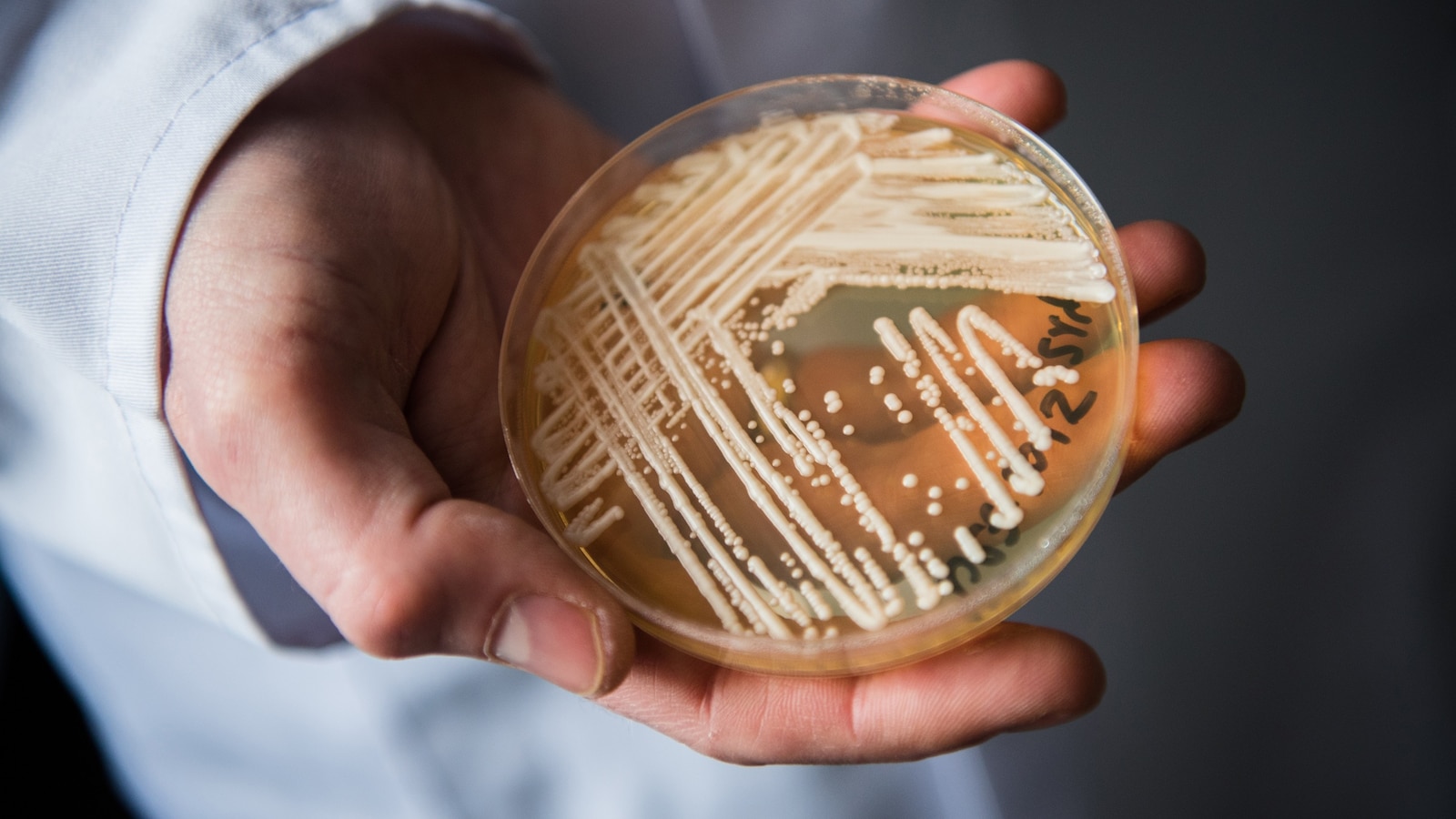
Health officials have detected a potentially dangerous fungus called Candida auris (C. auris) in 27 states so far this year. According to the Centers for Disease Control and Prevention (CDC), there have been 3,437 cases identified as of the week ending July 25.
Good News Alert: This is actually about 1,000 fewer cases than the same time last year (which had 4,290 cases). While cases continue to rise each year, the rate of increase has slowed since 2022.
| State | Number of Cases |
|---|---|
| California | 873 |
| Texas | 433 |
| Tennessee | 283 |
Think of C. auris as a type of yeast (a cousin to the yeast used in bread or beer, but definitely not the good kind).
This fungus is a survivor and a traveler:
RELAX: Most healthy people do NOT need to worry about C. auris infections.
HIGH RISK GROUPS: You’re at risk if you:
- Have a weakened immune system or are immunocompromised
- Are a nursing home resident
- Are a hospital patient with tubes/lines in your body (catheters, breathing tubes, IV lines, etc.)
This is what makes C. auris particularly tricky — it doesn’t respond to many medicines.
| Antifungal Drug | Resistance Rate | Notes |
|---|---|---|
| Fluconazole (first-line treatment) | >95% | Almost useless against C. auris |
| Amphotericin B | 15% | Concerning but not universal |
| Echinocandins | 1% | Good news: Still works for most! |
| All three classes | <1% | Very rare "pan-resistant" strains |
TREATMENT UPDATE: Most infections CAN still be treated with echinocandins, according to the CDC.
| Key Takeaway | Details |
|---|---|
| What is it? | A drug-resistant yeast causing serious infections |
| Who’s at risk? | Very sick people in healthcare settings — NOT healthy people |
| Spreading? | Yes, but rate of increase has slowed since 2022 |
| Treatable? | Yes! Echinocandins still work for most cases |
| Should you panic? | No — unless you’re in a high-risk group in a healthcare facility |
A: Extremely unlikely. C. auris primarily spreads in healthcare facilities (hospitals, nursing homes) among very sick people. Healthy people in community settings are not at risk.
A: The risk is very low for healthy people. However, wash your hands thoroughly after visiting, and avoid touching medical equipment or wounds. If your relative has C. auris, follow the facility’s visitor guidelines (may include wearing a gown/gloves).
A: Researchers are actively studying new antifungals and combination therapies. The fact that echinocandins still work for ~99% of cases gives doctors a reliable option while new drugs are developed.
A: "Superbug" is a media term for any microbe resistant to multiple drugs. C. auris earns this label because it’s resistant to multiple antifungal classes — similar to how MRSA is resistant to multiple antibiotics.
A: Special laboratory testing is required. Standard yeast tests often misidentify C. auris as other Candida species. The CDC recommends specific testing methods for accurate identification.
Bottom Line: Candida auris is a serious concern for healthcare systems and vulnerable patients, but not a threat to the general public. Awareness, strict infection control in hospitals, and continued research are our best tools to keep it in check.