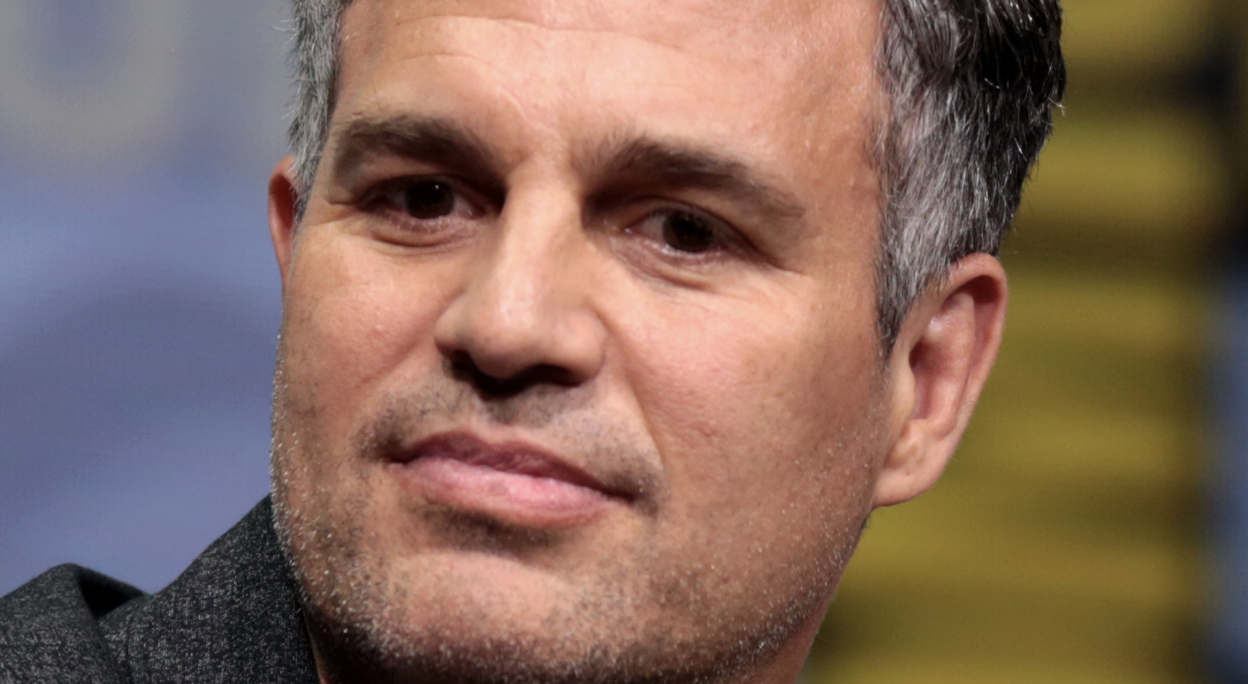
Mark Ruffalo’s Terrifying Dream Diagnosed His Brain Tumor Before Doctors Did
How a Dream Saved Mark Ruffalo’s Life: The Actor’s Secret Brain Tumor Battle
A Regular Guy with a Rising Career
Imagine this: you’re 33 years old. You’ve been married for about a year. Your wife is pregnant with your first baby. Your acting career is just starting to take off—you just finished a movie called You Can Count on Me that has Hollywood paying attention. Right now, you’re on set filming The Last Castle with huge stars like James Gandolfini and Robert Redford.
Life feels pretty good. Then, everything changes in the middle of the night.
The 3 AM Wake-Up Call
It’s 3:00 AM. Mark Ruffalo has to be on set at 4:00 AM. Suddenly, he wakes up—not from a normal dream, but from something he describes as "pure knowledge."
"It wasn’t like any other dream I’d ever had. It was just like, ‘You have a brain tumor.’ It wasn’t even a voice. It was just pure knowledge. ‘You have a brain tumor, and you have to deal with it immediately.’"
The weird part? He felt completely fine. No headaches. No dizziness. Nothing wrong at all—except for an ear infection in his left ear the night before.
When the Doctor Said "You’re Being Ridiculous"
Later that day on set, Mark tells the set doctor about his dream. Her reaction? She thought he was being ridiculous. But he insisted, so she agreed to order a CAT scan (a special X-ray that takes detailed pictures of your brain) after filming wrapped—mostly just to prove him wrong.
The scan results shocked everyone.
The Diagnosis: A Golf Ball-Sized Surprise
The CAT scan found a mass behind his left ear roughly the size of a golf ball.
A biopsy (taking a tiny piece to test it) confirmed it was a vestibular schwannoma—also called an acoustic neuroma.
ELI5 Medical Terms:
- Vestibular schwannoma / Acoustic neuroma: A benign (non-cancerous) tumor that grows on the nerve connecting your inner ear to your brain.
- Benign: Not cancer. It won’t spread to other parts of your body.
- BUT— "Benign does not mean harmless." This tumor was pressing against his facial nerve (the nerve that moves your face muscles). It had to come out.
Important Point
Benign ≠ Harmless. Even non-cancerous tumors can be dangerous if they grow in tight spaces (like near nerves in your skull). Always take unusual symptoms—or vivid dreams—seriously!
The Secret He Kept from His Wife
Mark didn’t tell his wife, Sunrise Coigney. Not right away.
"I didn’t tell Sunny because I know she had the birth plan, she did the yoga, she had the doula. You know, we had the hot tub ordered."
He kept the secret for two whole weeks—through the birth of their son, Keen. When he finally told her, she thought he was joking. Once she realized he wasn’t, her first words were:
"I always knew you were going to die young."
The Impossible Choice: Face or Hearing?
Brain surgery is never simple. This tumor sat right against two critical nerves:
- The facial nerve — controls face movement (smiling, blinking, expressions)
- The hearing nerve — carries sound from the ear to the brain
For a screen actor, facial paralysis could end a career. But losing hearing is life-changing too.
Mark made his priorities crystal clear to the surgeons:
"Take my hearing. Let me keep the face. Just let me be the father to this kid."
The Long Road Back
What happened after surgery:
| Result | Details |
|---|---|
| Face | Left side paralyzed. Couldn’t close his eye. Took about a year to recover. |
| Hearing | Permanently deaf in left ear. Never came back. |
| Work | Stepped away to recover. Turned down the role of Merrill Hess in Signs (which went to Joaquin Phoenix). |
Why He Stayed Silent for Years
In a 2013 interview with the Acoustic Neuroma Association, Mark revealed he told almost no one at the time—just his best friend, his manager, and his family.
"It was scary, obviously, and I also had an odd bit of shame about it, or fear about it, and how it would be perceived, especially in my profession. So I didn’t really tell anybody."
He worried Hollywood would see him as "damaged goods." That fear kept him quiet for over a decade.
Summary
- Mark Ruffalo, age 33, was at a career high and expecting his first child when a vivid 3 AM dream told him he had a brain tumor.
- He had zero symptoms except an ear infection.
- A CAT scan revealed a golf ball-sized benign tumor (vestibular schwannoma) pressing on his facial nerve.
- He kept it secret for two weeks, through his son’s birth.
- Surgery forced a choice: save hearing or save face movement. He chose face.
- Result: Facial paralysis for ~1 year (recovered), permanent deafness in left ear.
- He turned down a major role (Signs) to heal.
- Stayed silent for 12+ years due to shame and fear of industry judgment.
FAQ
1. What is a vestibular schwannoma (acoustic neuroma)?
It’s a non-cancerous tumor that grows on the nerve connecting your inner ear to your brain. It’s rare—about 1 in 100,000 people per year. Even though it’s not cancer, it can cause serious problems by pressing on nearby nerves.
2. Can a dream really diagnose a medical problem?
Dreams aren’t medical tools—but Mark’s brain may have picked up subtle signals (like the ear infection or tiny nerve changes) that his conscious mind missed. The dream was his subconscious sounding the alarm. Always get unusual, persistent feelings checked out.
3. Why did he choose to save his face over his hearing?
As an actor, facial expressions are his instrument. Paralysis could have ended his career. He also wanted to be an active, expressive father to his newborn son. Hearing loss was the trade-off he accepted.
4. Did he ever act again?
Yes! After a year of recovery, Mark returned to acting and built an incredible career—including playing Bruce Banner/The Hulk in the Marvel movies, Spotlight, The Kids Are All Right, Poor Things, and many more.
5. What can we learn from Mark’s story?
- Listen to your body (and your gut). Even "crazy" feelings deserve attention.
- Benign tumors can still be dangerous. Location matters.
- Health > career. Mark chose fatherhood and his face over a movie role—and it worked out.
- There’s no shame in medical struggles. Mark’s silence came from fear, not fact. Speaking up helps others.