11
11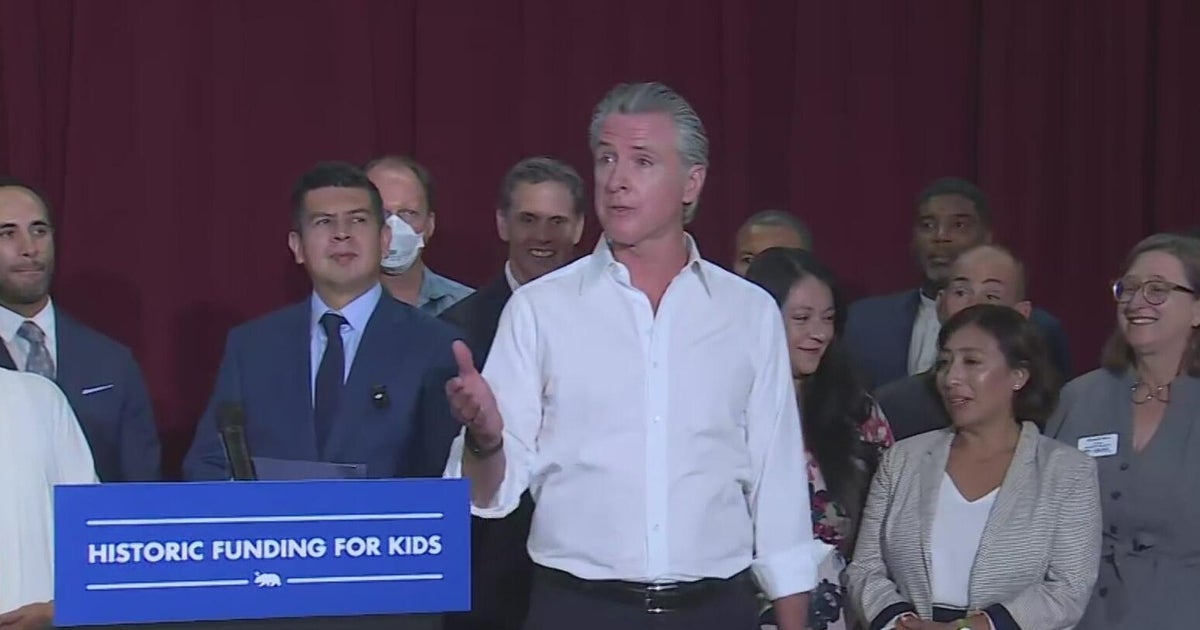
Imagine your state is like a giant classroom. The teacher-in-charge (Governor Gavin Newsom) just signed a paper (a bill) that does two big things:
All of California’s school agencies will get equal access to this new special-education money. The goal is to spend more money on each student.
This $2.4 billion is extra. It comes on top of the governor’s plan to spend more than $151 billion on public schools from transitional kindergarten (the step before regular kindergarten) through 12th grade, as written in the 2026 budget.
Important: Even with this new money, some people are upset because of the other change—who gets to oversee the Department of Education.
In late June, state lawmakers quickly passed a bipartisan bill (that means both big political parties agreed). Here is what it does:
Important: The superintendent is an elected job—voters choose this person, and the position is nonpartisan (not tied to a political party). It is written into California’s constitution (the state’s rulebook). The new law shifts that power away from an elected official to an appointed one.
When CBS News Sacramento asked Newsom about the changes, he said he and state lawmakers are answering requests from across the state to reform (improve) California’s public school system.
Here is what Newsom said (in his own words, talking about State Superintendent Tony Thurmond, who criticized the move and was not at the announcement):
"You know, change has its enemies, and I’m for change… I’m not defending the status quo with respect to the individual. You mentioned, [about Thurmond not being there] He and I have a fundamental disagreement, and I couldn’t be more proud that the legislature and the people of the state demanded a new approach, and I was proud to attach my signature to that new approach."
In kid terms: Newsom says, “Some people don’t like change, but I do. The old way wasn’t working, and I’m happy the lawmakers and people wanted a new plan.”
CBS News Sacramento also spoke with Herb Morgan, a Republican candidate for California State Controller (a money watchdog job). He said the changes are “shameful” and a threat to democracy (the system where people vote).
Morgan said:
"They tried four times to make these changes at the ballot box and they failed four times. So what do you do when the Democrat, the electorate, the people of the state of California, vote down what you want to do as a dictator? You then go around the voters."
In simple words: “They asked voters four times and lost four times. Now they just skipped the voters.”
CBS also asked Superintendent Thurmond’s office to reply to Newsom’s claims. Thurmond’s team said again (like they did in recent weeks) that this decision should have been left to the voters.
1. What is special education?
It’s school programs that give extra help to kids who learn differently, such as children with disabilities or learning challenges.
2. What does “bipartisan” mean?
It means a bill was supported by both major political parties (Democrats and Republicans) in the legislature.
3. What is the “ballot box”?
It’s the way people vote to make big decisions—like electing officials or approving changes.
4. Why is the superintendent job a big deal?
Normally, voters pick the superintendent, so the person answers to the public. The new law gives most of that power to a commissioner chosen by the governor instead.
5. Is the $2.4 billion taking money from other schools?
No. The article says it is in addition to the huge $151 billion already planned for regular public schools.