6 Ways This Brutal Heatwave Is Upending UK Life
How Summer Heatwaves Are Affecting Everyday Life in the UK: A Simple Guide
Important: This summer has brought record-breaking heat to the UK, and it’s not just about feeling hot. It’s affecting our food, water, electricity, transport, homes, and health. Here’s what you need to know in plain English.
1. Food Shortages: Why Your Groceries Might Cost More
Farmers are having a really tough time, and it affects what ends up on your plate.
What’s happening:
- Winter floods made it hard to plant seeds
- Summer drought means crops that did grow are struggling
- Wheat is only growing to half its normal height
- Farmers are harvesting early just to save what they can
- Livestock farmers don’t have enough grass, so they’re using winter feed supplies now
Callout: A third of British farmers are losing money or barely breaking even — partly due to climate impacts and partly because they lost EU subsidies that used to protect them.
The result? Higher prices at the supermarket:
- Tomatoes: +60%
- Iceberg lettuce: +90%
- Potatoes: +40%
And it’s not just UK farms — countries we import from are facing similar climate problems.
2. Water Supply: Running on Empty
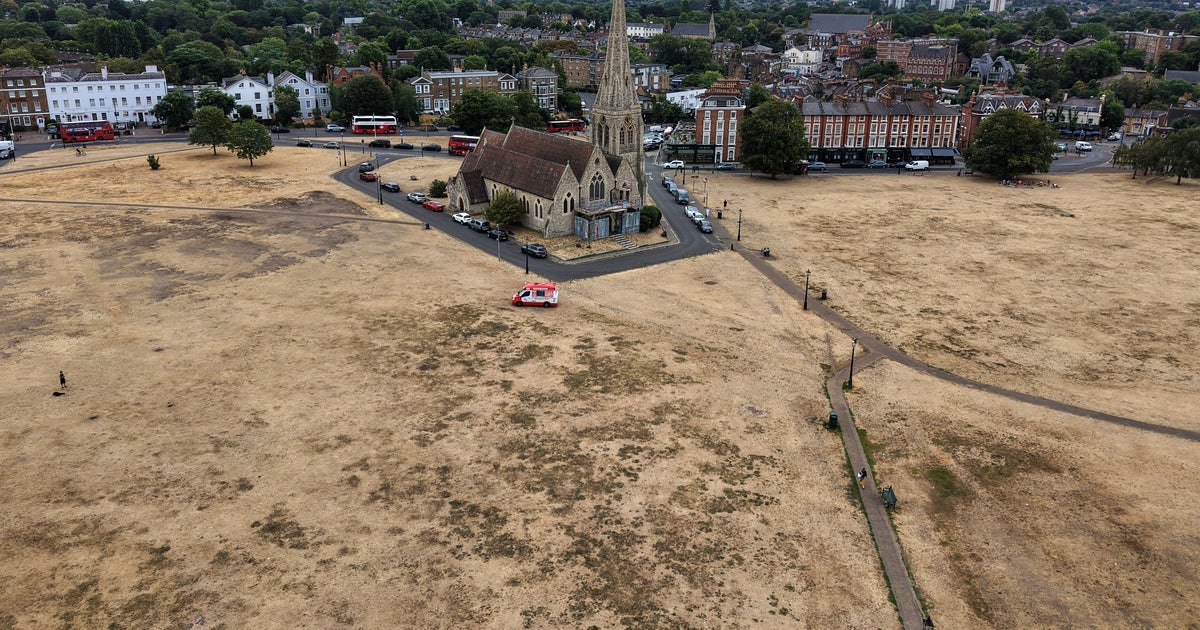
England had only 8% of its normal July rainfall — the driest July on record. Some places haven’t seen rain in over a month.
What this means for you:
- 23 million people in England and Wales are under hosepipe bans
- Wildfires are breaking out (especially in Suffolk)
- Wildlife habitats are being destroyed
- Natural England warns of irreversible ecological collapse
Expert quote: "We’re already reaching the limit of what our water supply can handle — even under normal conditions," says Ali Morse from Wildlife Trusts.
3. Energy Concerns: Power Cuts Could Happen
Hot weather puts the electricity system under huge pressure.
Why the grid struggles:
- Demand spikes — everyone uses fans, AC, and fridges work overtime
- Equipment overheats — power lines and insulators expand in heat
- Lines droop — overhead cables sag close to trees, buildings, and the ground
- No overnight cooling — sustained heat means equipment never gets a break
National Grid warns: "Power cuts may be more common than usual."
Tip: Keep a torch with spare batteries handy, just in case.
4. Transport Strains: Getting Around Gets Harder
Heat doesn’t just make travel uncomfortable — it makes it unsafe.
On the roads:
- London bus drivers plan to strike — cab temperatures hit nearly 40°C (104°F)
On the rails:
- Soil shrinkage disrupts tracks
- Heat warps rails — operators must lower speed limits for safety
- The International Transport Forum warns heatwaves are a major threat to public transport across Europe
What needs to change:
- Modernize vehicles with better cooling
- Use reflective materials to reduce heat absorption
- Protect workers from heat exhaustion and heat stroke
5. Homes and Workspaces: Built for Winter, Not Summer
UK buildings are designed to keep heat in (thick walls, small windows) — the opposite of what we need now.
Current problems:
- Most homes don’t have air conditioning
- Offices and homes are unbearable during heatwaves
- New housing targets at risk — many planned building areas face water shortages
- Government’s goal of 1.5 million new homes may be impossible to meet
What experts say we need:
- Laws on maximum working temperatures
- Buildings adapted to stay cool
- Serious climate action to fix the root cause
Did you know? Labour is considering making it illegal to work when it’s "too hot."
6. Health Fears: Heat Can Be Deadly
This is the most serious impact of all.
The numbers:
- Estimated 2,877 heat-related deaths in May and June alone
- UK Health Security Agency issued heat health alerts for 8 regions
- Elderly people and those with health conditions are most at risk
Simple ways to stay safe:
- Stay hydrated
- Avoid the sun during the hottest part of the day (11am–3pm)
- Keep your home cool (close curtains, use fans)
- Check on elderly neighbors and relatives
NHS under pressure:
- Health Secretary Yvette Cooper says summer A&E pressures could match winter flu season
- Doctors advised to cancel surgeries in extreme heat
- Radiotherapy machines and MRI scanners have failed due to overheating
Summary: What This All Means for You
| Area | Impact | What You Can Do |
|---|---|---|
| Food | Higher prices, potential shortages | Buy local when possible, reduce waste |
| Water | Hosepipe bans, scarcity | Conserve water, follow local restrictions |
| Energy | Possible power cuts | Keep torch ready, reduce daytime usage |
| Transport | Delays, strikes, unsafe conditions | Plan extra time, check before traveling |
| Homes | Overheating, building delays | Close curtains, use fans, ventilate at night |
| Health | Heat illness, deaths | Stay cool, hydrated, check on vulnerable people |
FAQ: Your Questions Answered
Is this heatwave normal for the UK?
No. The UK is experiencing its third drought in five years, and temperatures are breaking records. Scientists say climate change is making extreme heat more frequent and more intense.
Why don’t UK homes have air conditioning?
Historically, the UK has a cool, damp climate. Buildings were designed to retain heat for winter. AC is expensive to install and run, and most homes weren’t built for it.
Will food prices keep going up?
Likely yes. With UK harvests down and import countries also struggling, pressure on food prices will continue unless we adapt farming and reduce emissions.
Can the electricity grid handle more heatwaves?
It’s struggling now. National Grid says sustained heat increases faults and power cuts. Long-term, the grid needs massive upgrades for a hotter future.
What’s a COBRA meeting and why does the Green Party want one?
COBRA (Cabinet Office Briefing Room A) is the UK government’s emergency response committee. The Green Party wants the Prime Minister to convene one to coordinate a national response to the heat crisis — treating it like the emergency it is.
Final thought: This summer isn’t a one-off — it’s a preview of our new normal. The good news? Every action to cut emissions and adapt our systems makes a difference. Stay informed, stay cool, and look out for each other.