 11
11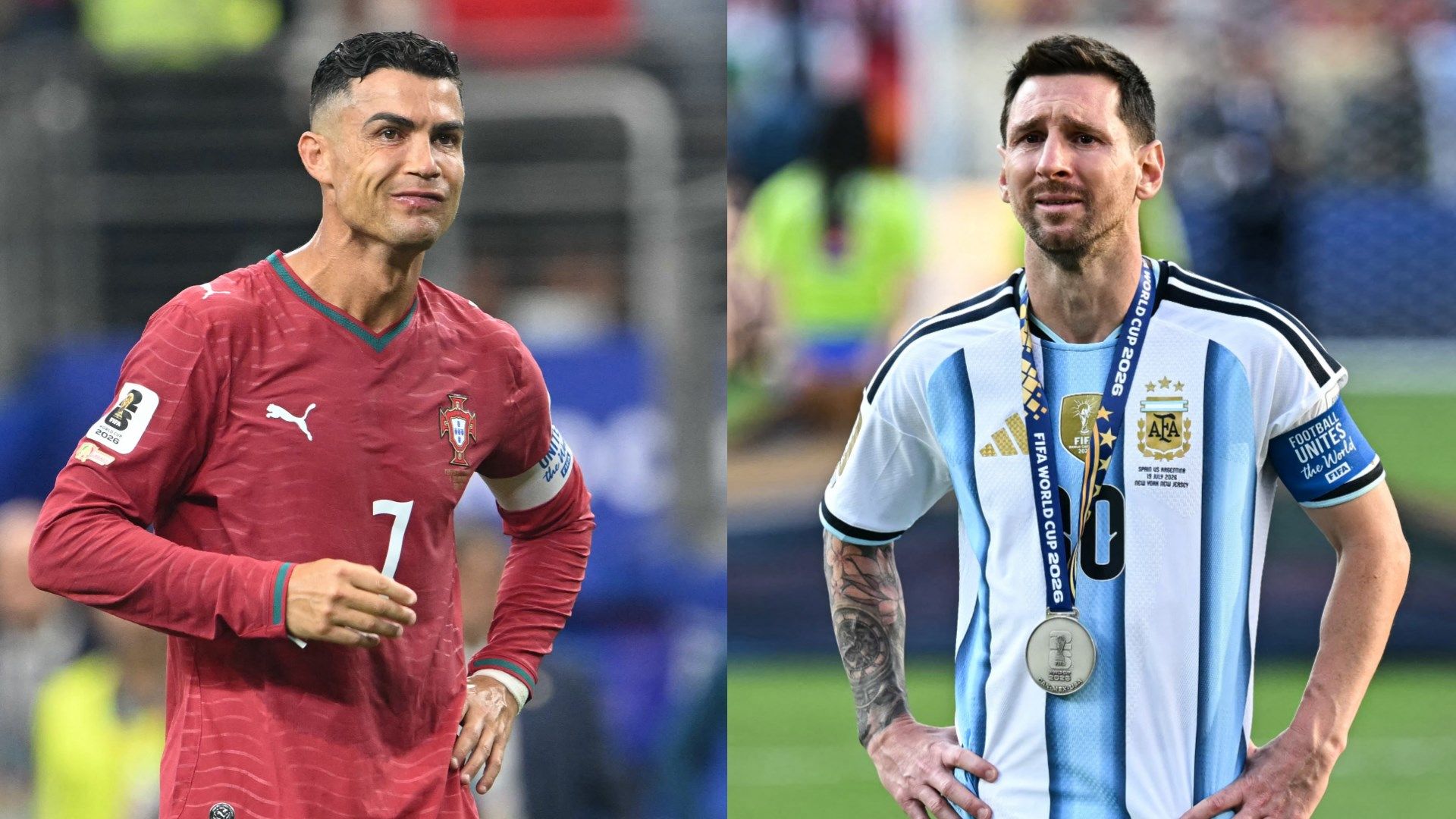.jpg "Leaked Doc Exposes: Suicide Plot on Messi, Ronaldo Hotel Siege")
Important Note: This article discusses serious security threats including terrorism, death threats, and violence. While these events are alarming, they represent extreme cases that security teams work hard to prevent.
Imagine you’re at the biggest soccer party in the world—the World Cup. Millions of fans cheering, the best players on the planet showing their skills. But behind the scenes, a secret police document leaked to the press reveals something scary: this tournament was surrounded by serious threats.
A British newspaper called The Sun got hold of this file from a Spanish news site. It shows that police and security teams were dealing with terror attempts, bomb threats, and death threats aimed at players, referees, and even fans.
The threats weren’t random—they focused on the biggest names and most emotional moments.
Argentina’s superstar and his team faced multiple terrifying incidents:
| Match | Threat Details |
|---|---|
| Argentina vs. Jordan | A man called Dallas Airport threatening to storm the stadium with two accomplices, hand grenades, and an AR-15 rifle. He specifically named Messi. |
| Argentina vs. Egypt | Someone posted on X (formerly Twitter) saying they’d enter the Atlanta stadium with four bombs strapped to their body to kill Messi. |
| Same match | Police got a call claiming three bombs hidden in trash cans in the stands. Bomb experts and sniffing dogs searched everywhere. |
Portugal’s legend had his own scary moments:
Officials got it just as bad:
Missing a shot shouldn’t cost you your life—but it did for these players:
This Isn’t New: The Andrés Escobar Tragedy
In 1994, Colombian defender Andrés Escobar was murdered after scoring an own goal that eliminated his team. This dark history shows why these threats are taken so seriously.
When a man with a wrench broke in shouting, security went extreme:
CALL OUT: "Most Fortified World Cup Ever"
Security experts called this the most protected tournament in history. The measures sound like a war zone—not a sports event.
Think of it like this: The World Cup is the biggest stage on Earth. Billions watch. Emotions run super high. For some people, that mix of passion + alcohol + mob mentality + mental health issues creates a dangerous cocktail.
Key reasons threats happen:
When a threat comes in, here’s what happens behind the scenes:
| What We Learned | Why It Matters |
|---|---|
| Leaked police docs reveal massive threat levels | Security isn’t just for show—it’s life or death |
| Stars like Messi & Ronaldo are top targets | Fame brings danger, not just glory |
| Referees & role players get threatened too | No one is safe from fan rage |
| Missed chances = death threats | Sports obsession has crossed a line |
| Tournament became a fortress | Safety now requires military-level ops |
| History repeats (Escobar 1994) | We must take every threat seriously |
Bottom line: The World Cup we see on TV—goals, celebrations, drama—is only half the story. The other half is a secret battle between security teams and those who want to turn a game into a tragedy.
The article doesn’t specify the exact year, but the details (Atlanta stadium, Dallas Airport, specific matches like Argentina vs. Egypt/Jordan) suggest this may refer to a tournament held in the United States—possibly the 2024 Copa América or a pre-World Cup event. The leaked document came from US police files.
No attacks were carried out. Security teams stopped them all. The bomb searches found nothing. The hotel intruder was caught. The threats were real intentions, but prevented actions.
Security works best when invisible. If fans knew the full extent, it would cause panic. Leaks like this are rare—usually, these files stay classified for years.
Yes. Many countries now treat online death threats as serious crimes. People have been arrested, jailed, and banned from stadiums for threatening players on social media.
Final Thought: Soccer is called "the beautiful game." But as this leaked file shows, keeping it beautiful takes an army of protectors working in the shadows. Next time you watch a match, remember: the biggest saves might not be the goalkeeper’s—they’re the ones you never see.