 11
11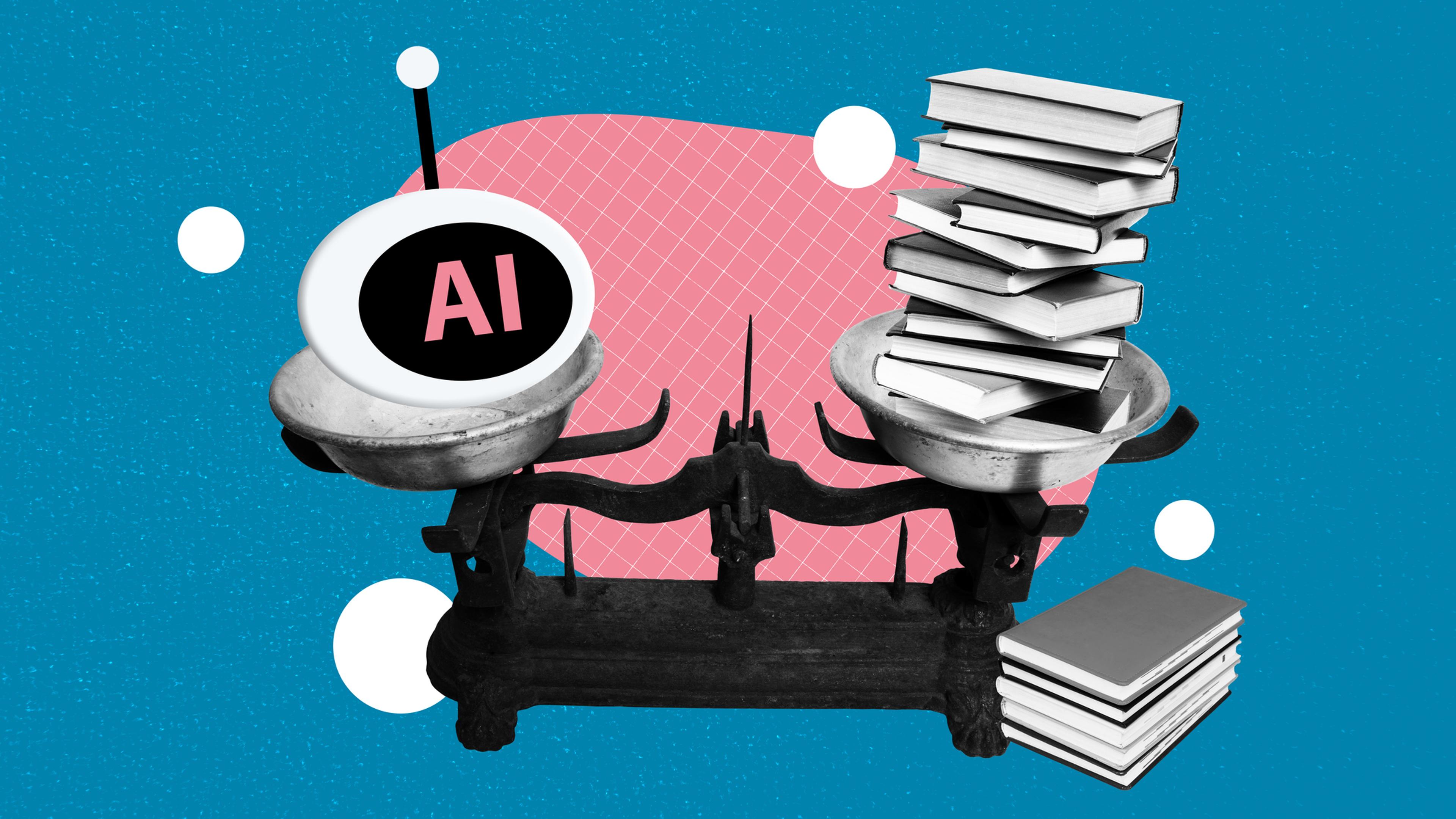
Imagine you’re trying to fill a bucket with water, but the bucket has big holes in the bottom. You keep buying fancier cups to pour water in faster—first a paper cup, then a measuring cup, now a high-tech automatic pourer. But no matter how good the cup gets, the water still leaks out.
That’s what’s been happening in American schools for decades. We keep bringing in new "cups"—new laws, new tests, new technologies—hoping they’ll finally fix the problem. But the real holes are somewhere else entirely.
In 2002, the government passed a law called No Child Left Behind (NCLB). Think of it as a giant report card for the whole country’s schools.
| The Good | The Not-So-Good |
|---|---|
| Showed us exactly where gaps existed between different groups of students | Teachers felt forced to "teach to the test" |
| Made inequality visible with hard data | Schools cut art, music, science, and recess to focus on tested subjects |
| Started important conversations | The achievement gaps barely budged |
Important Point: NCLB was like putting a thermometer in a sick patient—it told us there was a fever, but it wasn’t the medicine.
Now everyone’s talking about AI in schools. And honestly? It can do some pretty cool things.
Important Point: AI is like a really smart tutor that never gets tired. That’s genuinely useful!
Imagine two students:
| Student A | Student B |
|---|---|
| Wakes up in a stable, safe home | Worries about eviction |
| Eats breakfast every morning | Relies on school lunch as first meal |
| Sees a doctor when sick | Has untreated asthma or tooth pain |
| Has high-speed internet and a quiet place to do homework | Does homework on a phone in a noisy apartment |
| Parents can help with projects or hire tutors | Parents work two jobs, don’t speak English, or aren’t around |
| School has experienced teachers, counselors, libraries | School has constant teacher turnover, no counselor, outdated books |
Both students sit in the same classroom. Both get the same AI tutor.
Who learns more?
These aren’t school problems. They’re life problems that show up at school.
Important Point: AI can’t fix moldy ceilings. It can’t feed hungry kids. It can’t make parents less stressed about rent. And it definitely can’t change the fact that a child’s zip code predicts their outcome better than their school’s technology budget.
If we actually want to close gaps, we need to stop looking only at classrooms.
| What We Keep Trying | What Actually Leaks |
|---|---|
| Better tests | Poverty |
| New standards | Hunger |
| Fancier curriculum | Unsafe housing |
| AI tutors | Lack of healthcare |
| Teacher evaluations | Teacher turnover |
| Longer school days | No summer opportunities |
| Charter schools | Underfunded districts |
The lesson isn’t that innovation is bad. AI will help some kids learn better. Great teachers will use it creatively. Some students will get support they wouldn’t otherwise have.
The lesson is: innovation doesn’t replace justice.
You can’t tutor your way out of inequality. You can’t test your way out of it. And you definitely can’t chatbot your way out of it.
The holes in the bucket were drilled by policy choices—redlining, school funding tied to property taxes, disinvestment in public goods. They’ll only be patched by different policy choices.
Until then, every new "cup" is just a faster way to watch the water disappear.
Not at all! AI can be a powerful tool—like a really good calculator or encyclopedia. But tools don’t fix broken systems. A calculator doesn’t help if you’re too hungry to think.
It shone a spotlight on gaps that were previously ignored. That mattered. But spotlighting a problem isn’t solving it. Test scores barely moved, and the pressure distorted what happened in classrooms.
Great! They should have it. But if we only give the AI tutor to kids who already have internet, devices, quiet homes, and supportive adults… we just widen the gap. Equity means targeting resources to those who need them most.
School is where we see the effects. But the causes are outside. It’s like an ER treating car crash victims—we need better doctors (teachers), but we also need traffic laws, seatbelts, and safe roads (housing, healthcare, income support).
Education doesn’t happen in a vacuum. It happens in children’s lives. Until we take those lives seriously—all of them, not just the lucky ones—no innovation will be enough.