 11
11
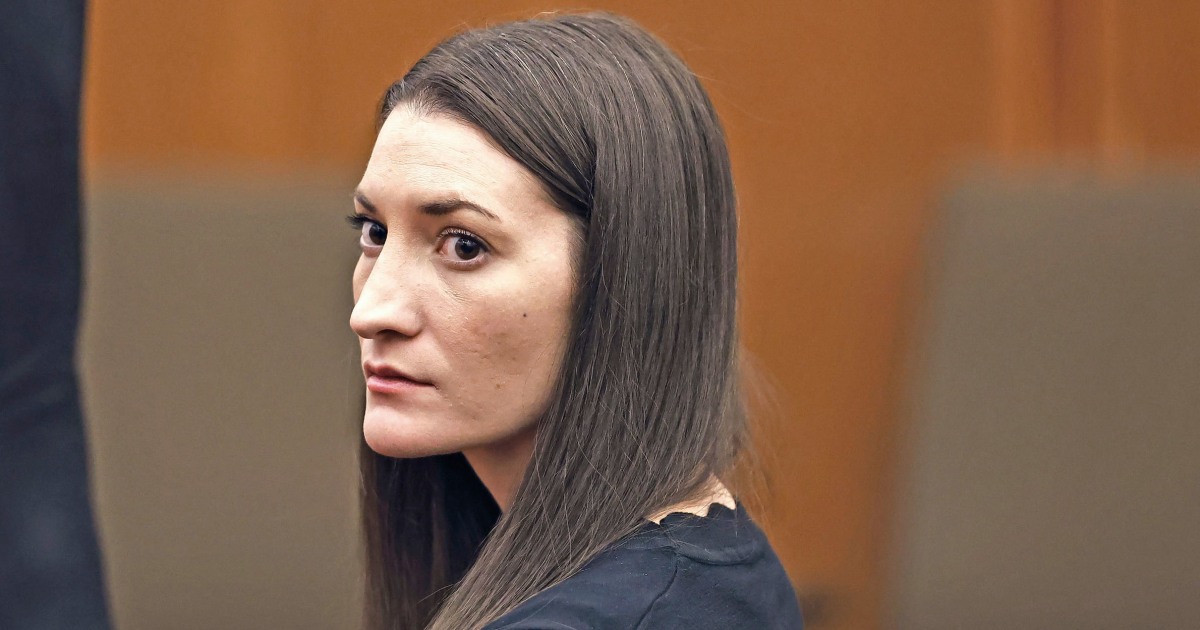
Lindsay Clancy is a mother from Duxbury, Massachusetts. In January 2023, her three children died:
Lindsay is on trial for their murders. The trial is taking place in 2026 at Plymouth Superior Court.
Important Point: Lindsay’s lawyer, Kevin Reddington, does not deny that she caused the children’s deaths. Instead, he plans to argue that she was not guilty by reason of insanity because she was suffering from postpartum psychosis (a severe mental illness after giving birth).
After the children died, Lindsay tried to take her own life by jumping from a second-story window. She survived but was left paralyzed and now uses a wheelchair.
On Thursday, Dr. Kimberly Springer from the Office of the Chief Medical Examiner testified about baby Callan’s autopsy (a medical exam after death).
Important Point: The judge warned jurors before this testimony that they must separate their emotions from the facts. He told them that "sympathy, anger, passion" cannot sway their verdict.
Lindsay’s attorney, Kevin Reddington, has a specific legal strategy:
Postpartum psychosis is a rare but serious mental health condition that can happen after childbirth. It can cause:
Many people who knew Lindsay testified in court. Almost all of them said the same thing: She was a good, attentive, loving mother.
| Witness | Relationship | What They Said |
|---|---|---|
| Dr. Lindsay Rosshirt | Children’s pediatrician | Saw Lindsay and Cora the morning before the deaths. "Everything seemed normal." "I always thought she was a good mom." |
| Susan Bertolo | Preschool teacher | Cora once mentioned Lindsay was in the hospital. "She missed her mom, and she was vocal about that." Described normal interactions. |
| Andrea Hennigan | Coworker (nurse at Mass General) | Texted with Lindsay days before. Lindsay struggled to find medication that helped her sleep but let her function. "Very loving, caring mother." |
| Amy Bevins | Childhood friend | Texted about "dark thoughts" from medication in late January. Lindsay was tapering off it. Visited after killings—played Uno, didn’t discuss children (on sister’s/doctors’ advice). |
| Christopher Clancy | Former father-in-law | "Great mother." Said Lindsay, his son, and grandkids were "the all-American family." Knew she had trouble sleeping and wasn’t feeling well for months. Offered to take kids for a night—parents declined. |
Important Point: Every single civilian witness—teachers, doctors, nurses, friends, family—described Lindsay as a competent, attentive, loving mother who was struggling with mental health.
The witnesses painted a picture of a woman fighting hard against severe mental illness:
Prosecutors showed a Facebook post Lindsay wrote in May 2021 (about 1.5 years before the deaths) in a group called "Attachment Parenting for Littles."
"I am truly finding my 19 month old to be the most difficult human I have ever encountered. I mean that with all of the love in my heart but I honestly cannot make it through a day without getting so frustrated with him."
She described trouble getting Dawson (then 19 months) out of his crib, dressed, into a car seat: "he fights me every step of the way."
Important Point: This post shows parenting frustration—something many parents feel—but no evidence of abuse was ever found.
Before the emotional medical testimony, Judge William Sullivan gave the jurors a critical instruction:
You must separate your emotions from the facts of the case. Sympathy, anger, and passion cannot sway your verdict.
This is standard in criminal trials. Jurors must decide based only on evidence and law, not on how sad or angry the case makes them feel.
The trial is ongoing. Here’s what we can expect:
If found not guilty by reason of insanity, Lindsay would likely be committed to a psychiatric hospital rather than prison.
It’s a rare but serious mental illness that can happen after childbirth. It causes hallucinations, delusions, extreme confusion, and loss of touch with reality. It’s a medical emergency—not just "baby blues" or postpartum depression.
No. If the jury agrees she was legally insane, she would be committed to a secure psychiatric hospital for treatment. She would not go to prison, but she would not be released until doctors and a court agree she’s no longer dangerous.
In American law, jurors must decide based only on evidence and legal instructions. Strong emotions (sympathy for the mother, anger about the children) can cloud judgment. The judge’s warning is standard in emotional cases.
The jurors (the people deciding the case) are allowed to see evidence that the public cannot. This protects the family’s privacy while giving jurors the facts they need.
That’s the central question of the trial. The defense argues postpartum psychosis fundamentally changed her mind—she wasn’t "herself." The prosecution must prove she knew what she was doing was wrong. The jury will decide which explanation fits the evidence.