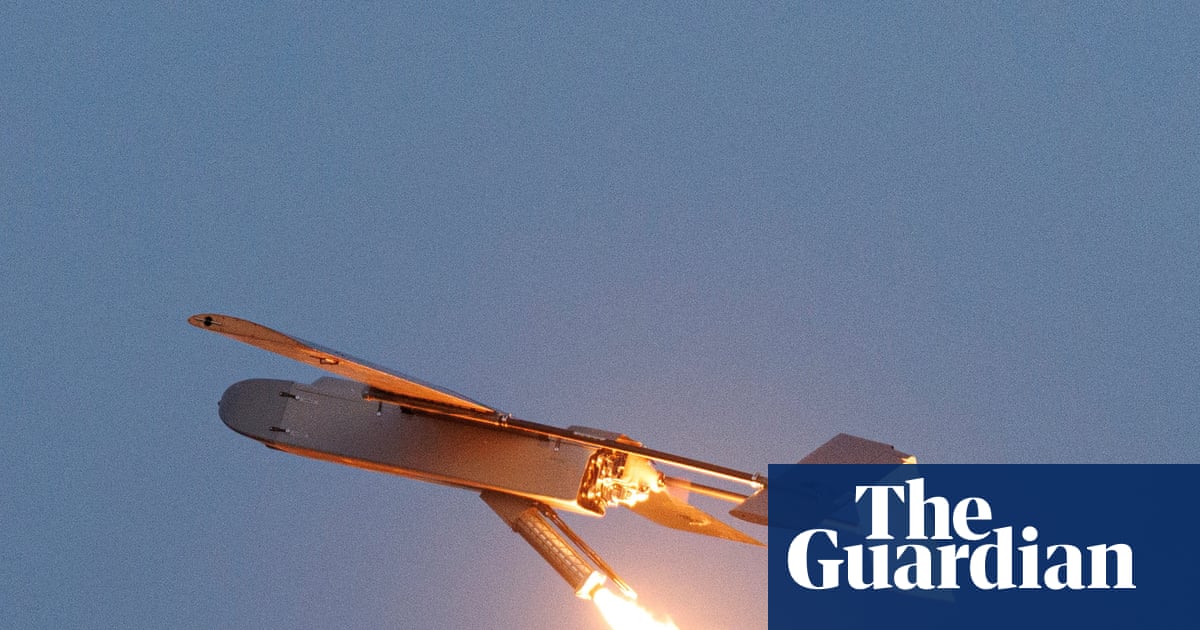
Russian Missile Obliterates US Drone Factory in Kyiv
Russian Missile Destroys American-Owned Drone Factory in Kyiv
What Happened?
On Friday, a Russian ballistic missile struck and destroyed a drone manufacturing factory in Kyiv, Ukraine’s capital city. What makes this attack particularly significant is who owned the factory — an American company called Terminal Autonomy, registered in the state of Delaware.
This appears to be the first time Russia has directly targeted a facility owned by a US corporation since the conflict began.
Important Point: No one was killed in the attack, according to sources familiar with the company.
Who Is Terminal Autonomy?
Terminal Autonomy is a US corporation that was officially registered in Delaware in 2023. The company specializes in making advanced drones for military use. Here’s what makes their technology special:
Key Features of Their Drones
- Precision "deep-strike" capability — they can hit targets far behind enemy lines
- Jamming-resistant guidance systems — they keep working even when Russia tries to block their signals
- AI-powered terminal autonomy — this is the "secret sauce" (explained below)
What Does "Terminal Autonomy" Actually Mean?
Think of it like this: When a drone flies toward its target, the enemy often tries to jam (block) its radio signals or GPS. This is like putting a blindfold on the drone.
Terminal autonomy is the final phase of the attack where artificial intelligence takes over. The drone essentially says: "I can’t hear my operators anymore, but I can see the target with my own sensors, so I’ll guide myself the rest of the way."
According to the company’s website: "We deploy AI-guided loitering munitions and precision munitions, which are already in active service against enemy assets on the frontline."
What Drones Were Being Made There?
Russian state media (TASS) confirmed the factory produced two specific drone models:
- AQ-400 Scythe — a larger, longer-range drone
- AQ-100 Bayonet — a smaller, more agile drone
Both are loitering munitions (often called "kamikaze drones") — they hover over an area until they find a target, then crash into it.
Why Did Russia Target This Factory?
Expert Analysis
Anthony Vinci, a former senior US intelligence officer and author of The Fourth Intelligence Revolution, explains it simply:
"The Russians don’t care who owns the manufacturing facility. It’s still a target. They don’t care if it’s American or someone else’s."
In other words: If it builds weapons that threaten Russian forces, Russia will bomb it — regardless of whether Americans, Ukrainians, or anyone else owns it.
The Bigger Picture: Patriot Missiles
This attack comes shortly after Donald Trump announced in early July that the US would license Ukraine to manufacture Patriot anti-aircraft missiles on Ukrainian soil.
Vinci believes this sets a dangerous precedent: "I do think if Patriot missiles or any American system was manufactured in Ukraine, I think the Russians would target that manufacturing facility."
How Did We Learn About the Attack?
| Source | What They Reported |
|---|---|
| TASS (Russian state news agency) | First reported the attack on Sunday, citing the Russian Defence Ministry |
| TASS details | Accurately named the drone models (AQ-400 Scythe and AQ-100 Bayonet) |
| TASS omission | Did not disclose the factory was American-owned; only mentioned "specialists from a Ukrainian-American company" worked there |
| Independent verification | State records confirm Terminal Autonomy’s Delaware registration (2023) |
Neither Terminal Autonomy nor the Ukrainian Defence Ministry responded to requests for comment.
What This Means Going Forward
Numbered Steps: The Escalation Ladder
- US companies build weapons factories in Ukraine →
- Those factories produce effective weapons →
- Russia identifies them as military targets →
- Russia strikes them with missiles →
- US personnel or property could be at risk →
- Pressure mounts for deeper US involvement
Summary
- A Russian ballistic missile destroyed a drone factory in Kyiv on Friday
- The factory was owned by Terminal Autonomy, a US company registered in Delaware (2023)
- This is likely the first direct Russian strike on a US-owned facility in the war
- The company made AI-guided, jamming-resistant "kamikaze drones" (AQ-400 Scythe and AQ-100 Bayonet)
- "Terminal autonomy" means the drone’s AI takes over guidance when signals are jammed
- No casualties were reported
- Experts say Russia targets capabilities, not ownership — any factory building threatening weapons is fair game
- The strike follows news that Ukraine may soon build US Patriot missiles domestically, which experts say would also be targeted
FAQ
What is a "loitering munition"?
A loitering munition (often called a "kamikaze drone") is a weapon that flies around an area ("loiters") until it spots a target, then crashes into it and explodes. Think of it as a cross between a drone and a missile.
Why does "terminal autonomy" matter?
Normally, drones need constant radio contact with human operators. Russia jams these signals. Terminal autonomy lets the drone finish its mission using onboard AI — no radio link needed. It’s like a "fire and forget" capability.
Was this a deliberate attack on an American company?
According to expert Anthony Vinci: No, Russia likely targeted it because it built effective weapons, not because Americans owned it. The ownership was secondary to the military threat.
What are Patriot missiles, and why does it matter if Ukraine builds them?
Patriots are advanced US air defense systems that can shoot down ballistic missiles. If Ukraine manufactures them locally, they get more air defense faster — but those factories become high-value Russian targets, potentially putting US technology and personnel at risk.
Has Russia attacked other foreign-owned facilities in Ukraine?
This appears to be the first confirmed strike on a US-corporate-owned facility. Russia has struck many Ukrainian defense factories, but the American ownership angle is new and significant.
Bottom Line: As Ukraine’s defense industry becomes more integrated with Western companies and technology, the line between "Ukrainian targets" and "Western targets" is blurring — and Russia is noticing.